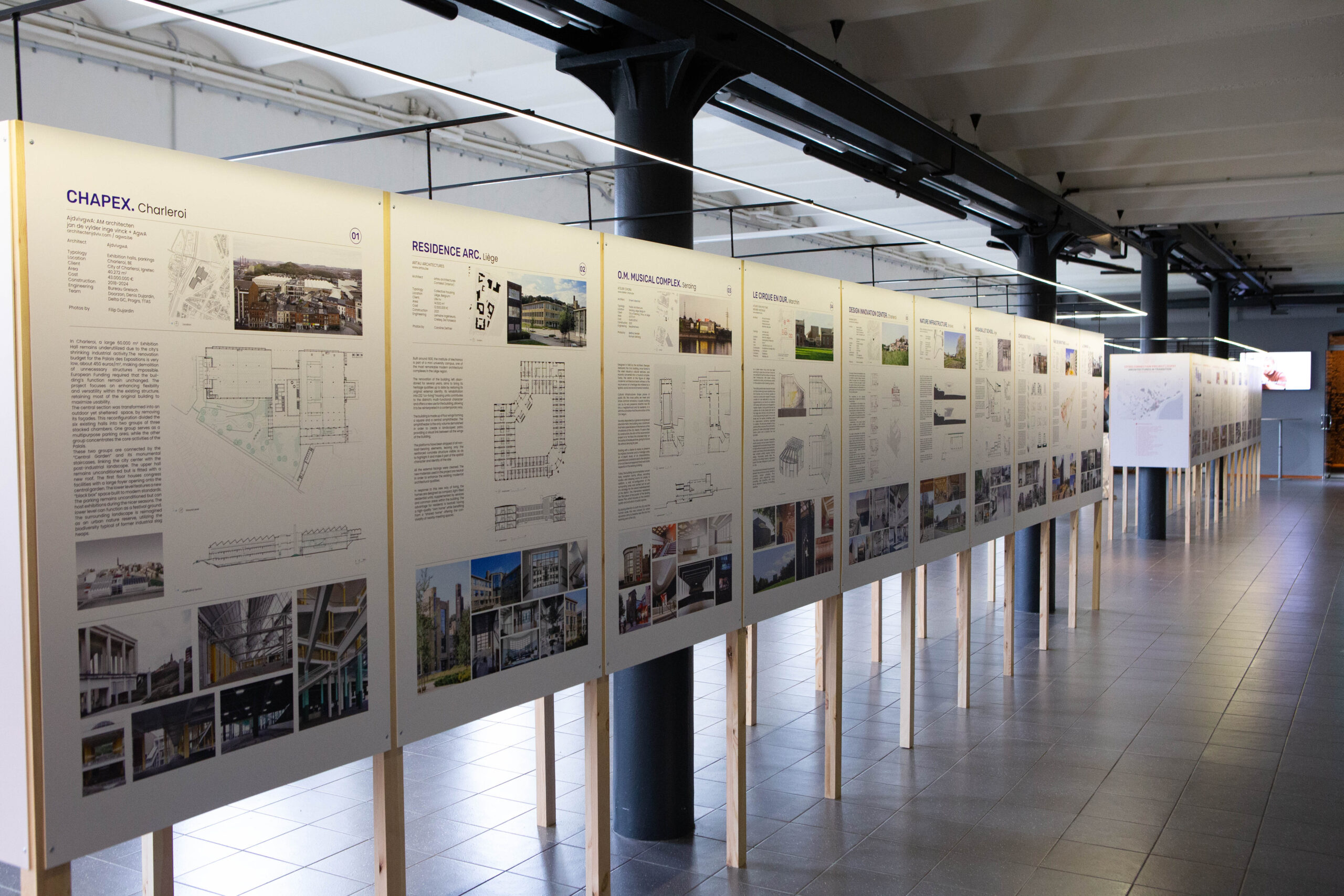
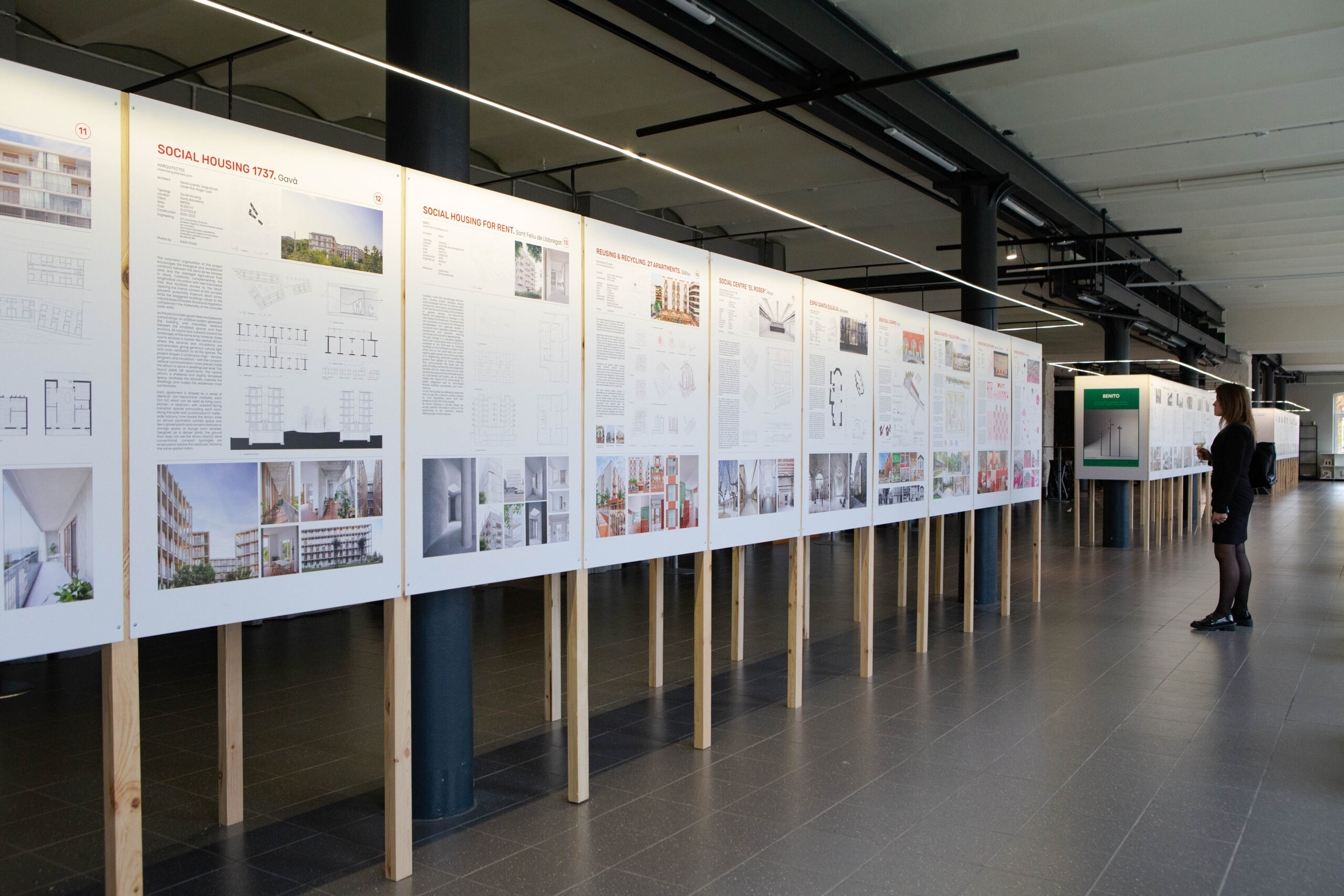
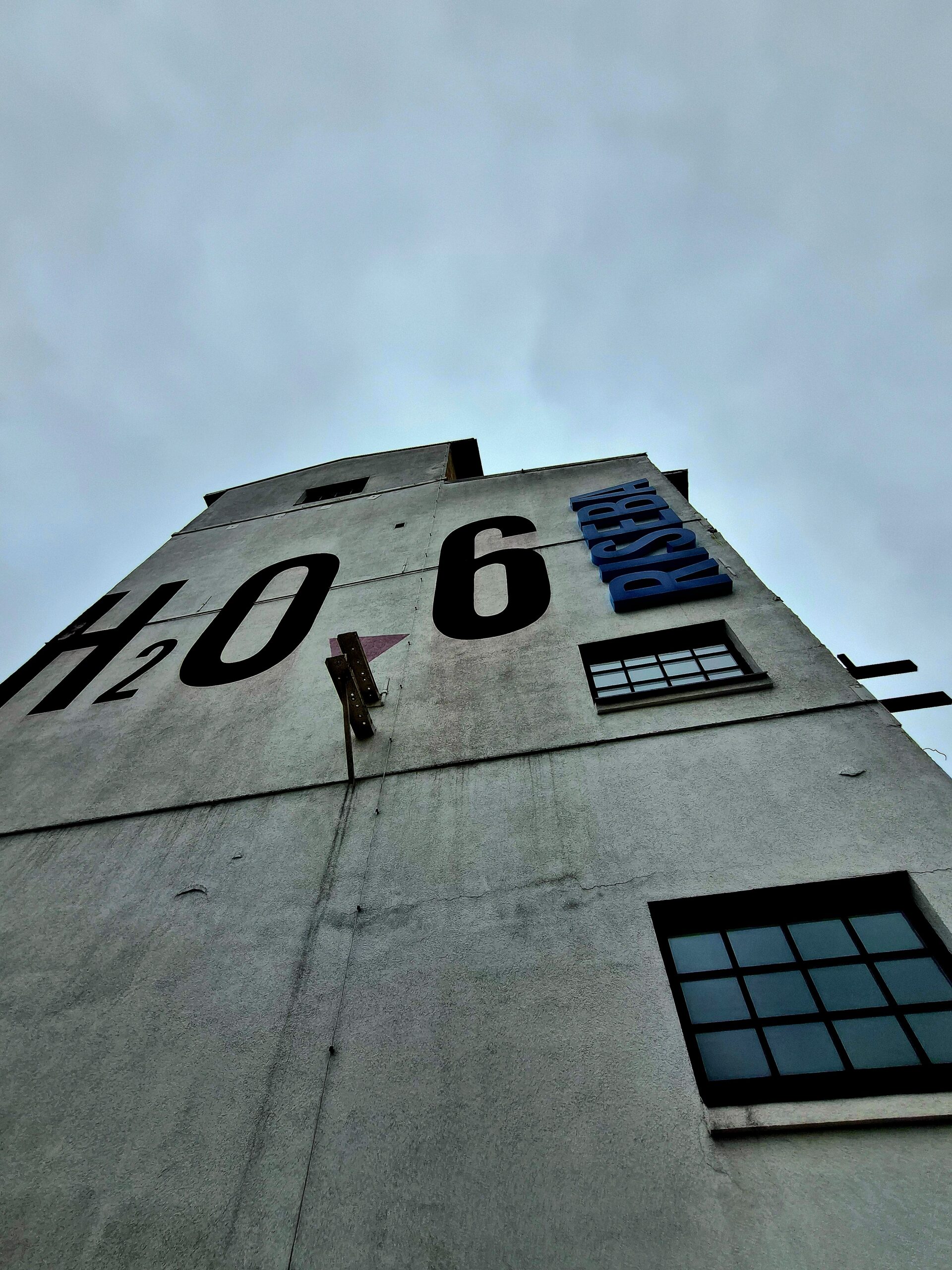
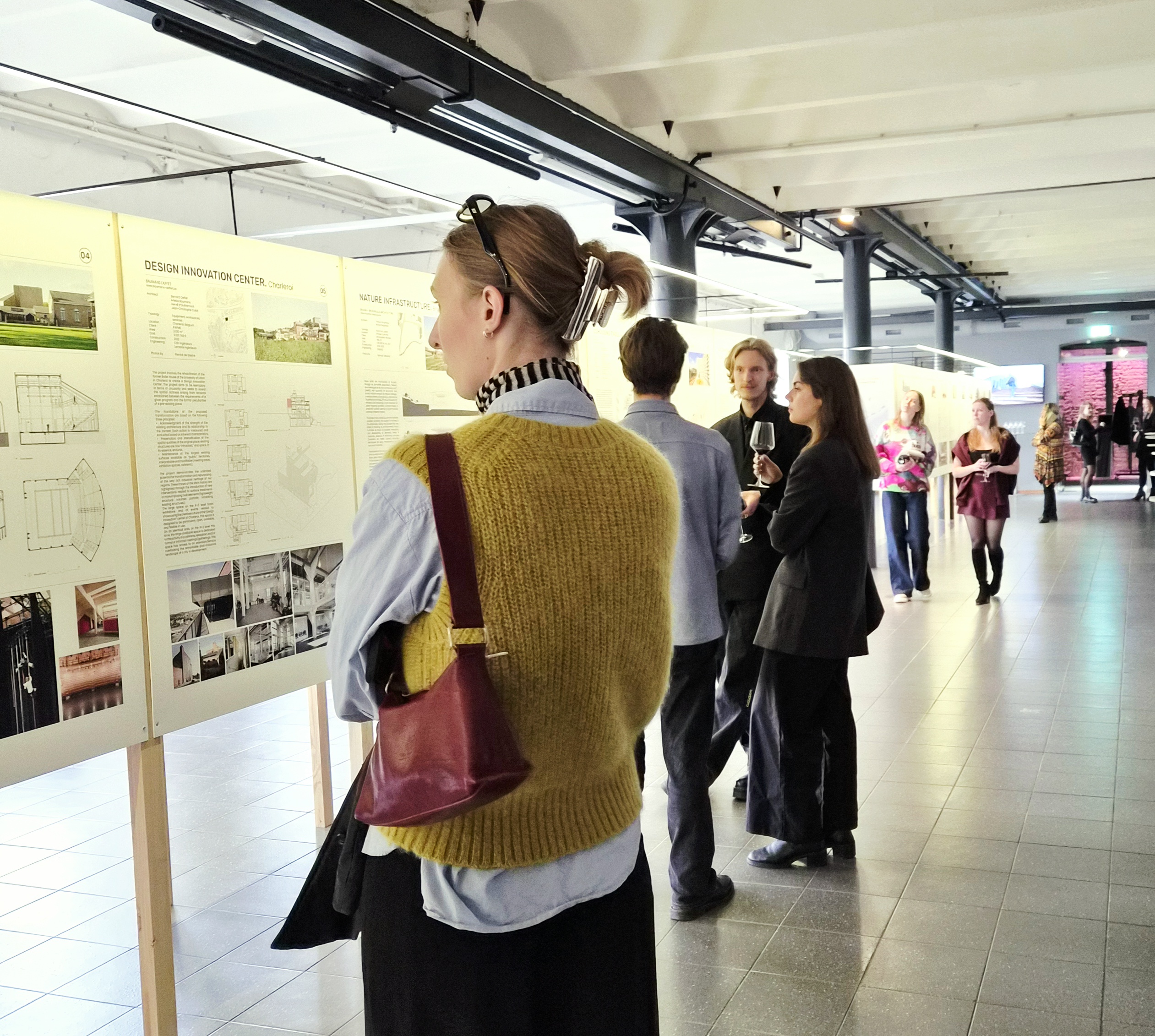
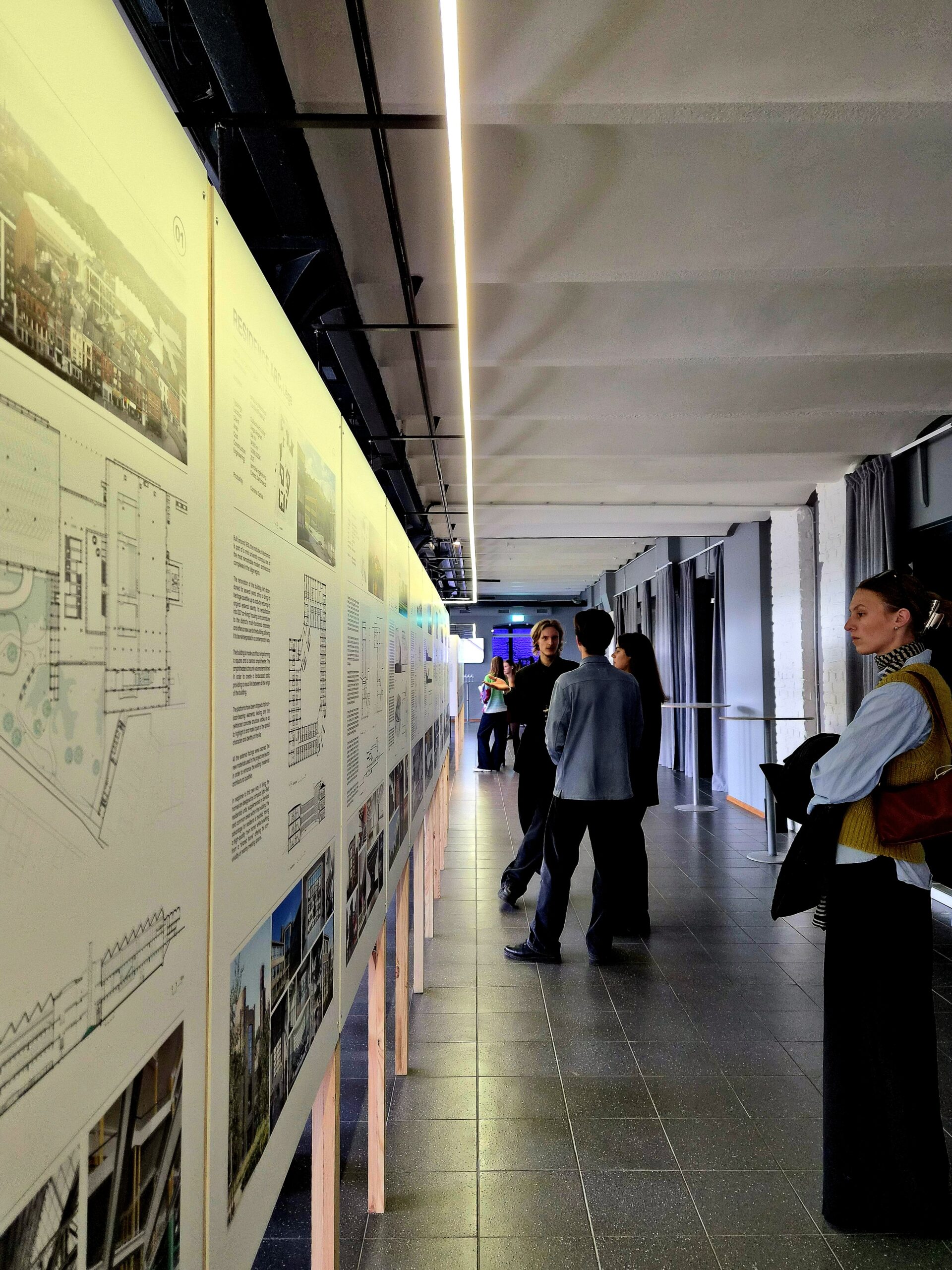
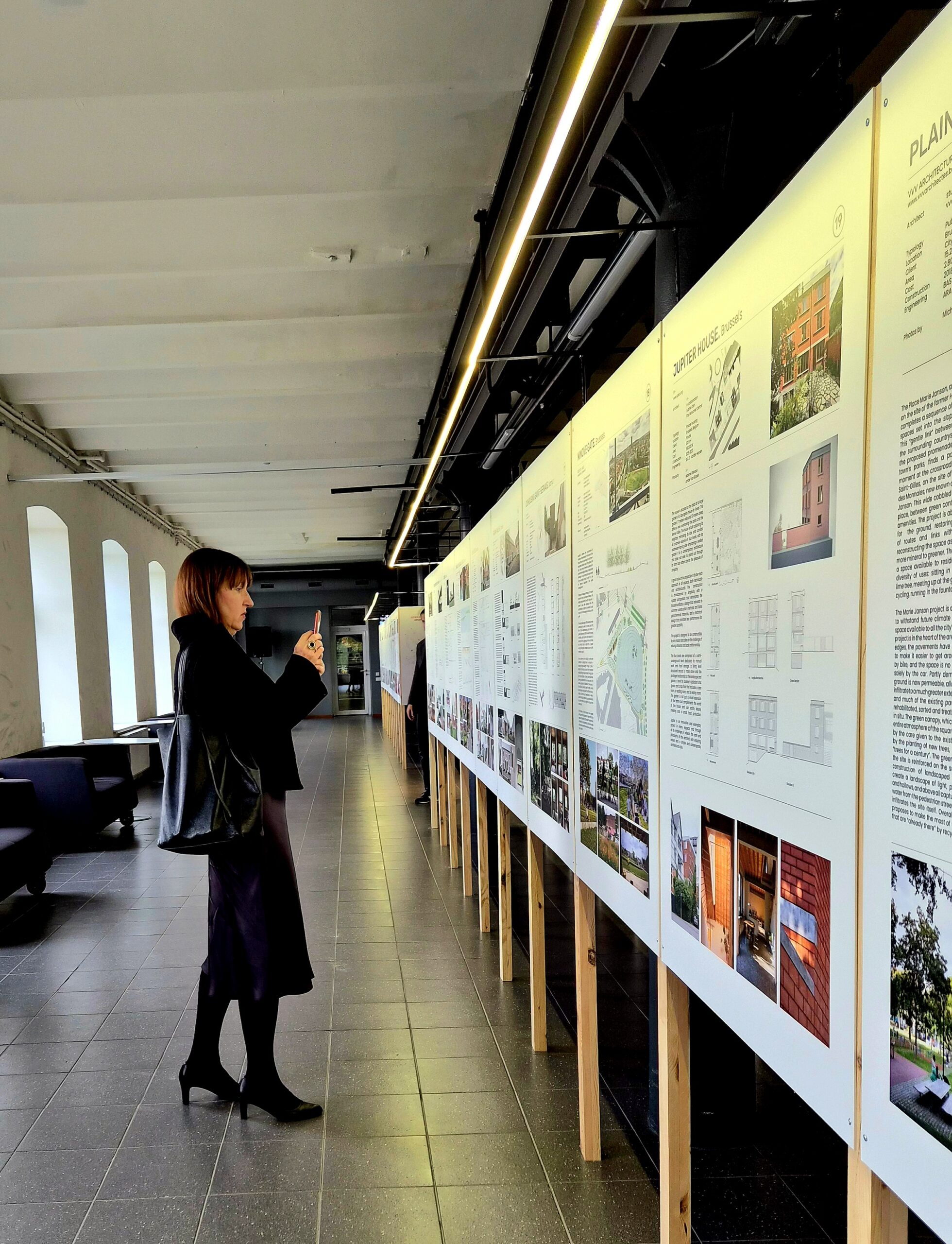
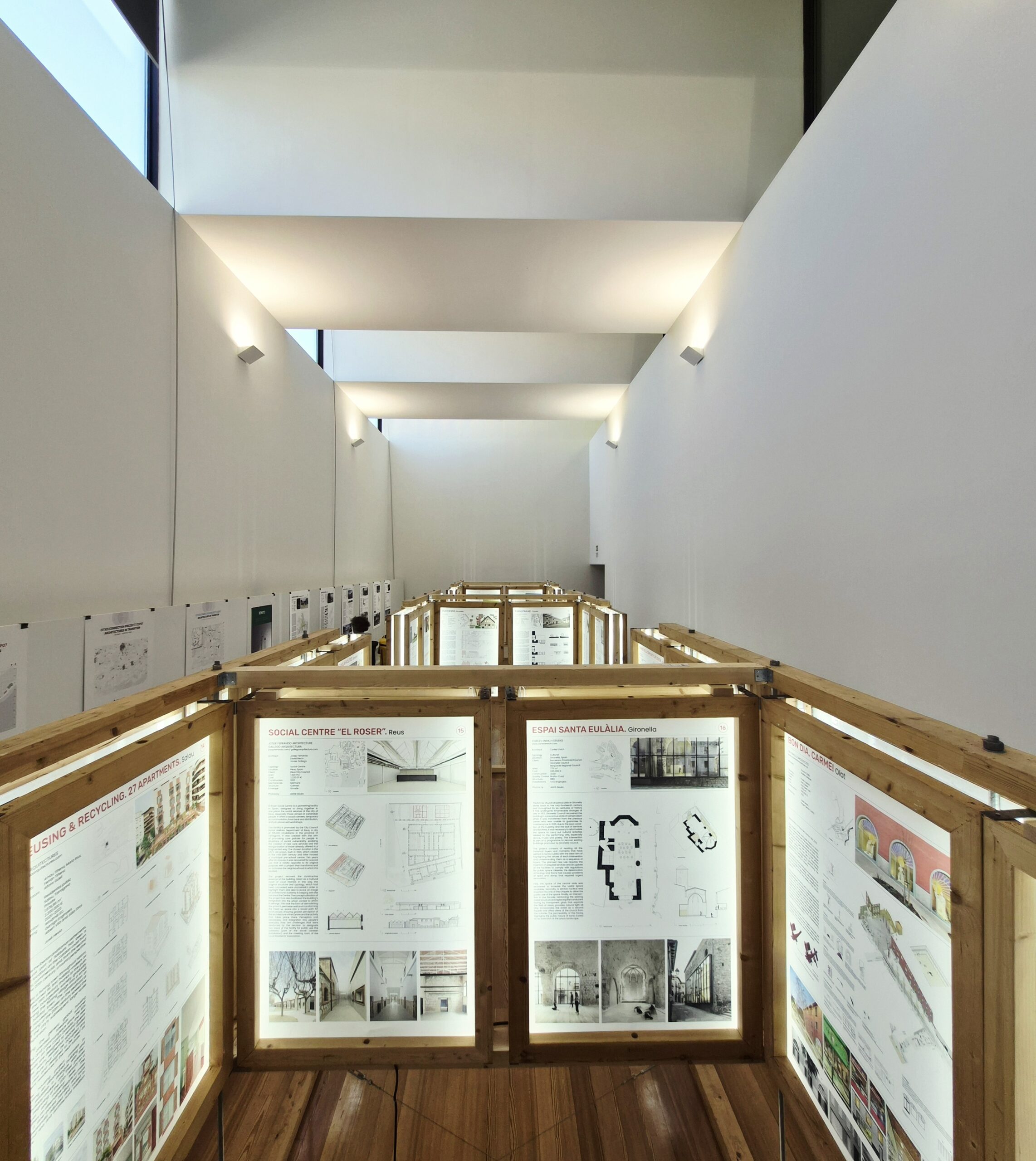
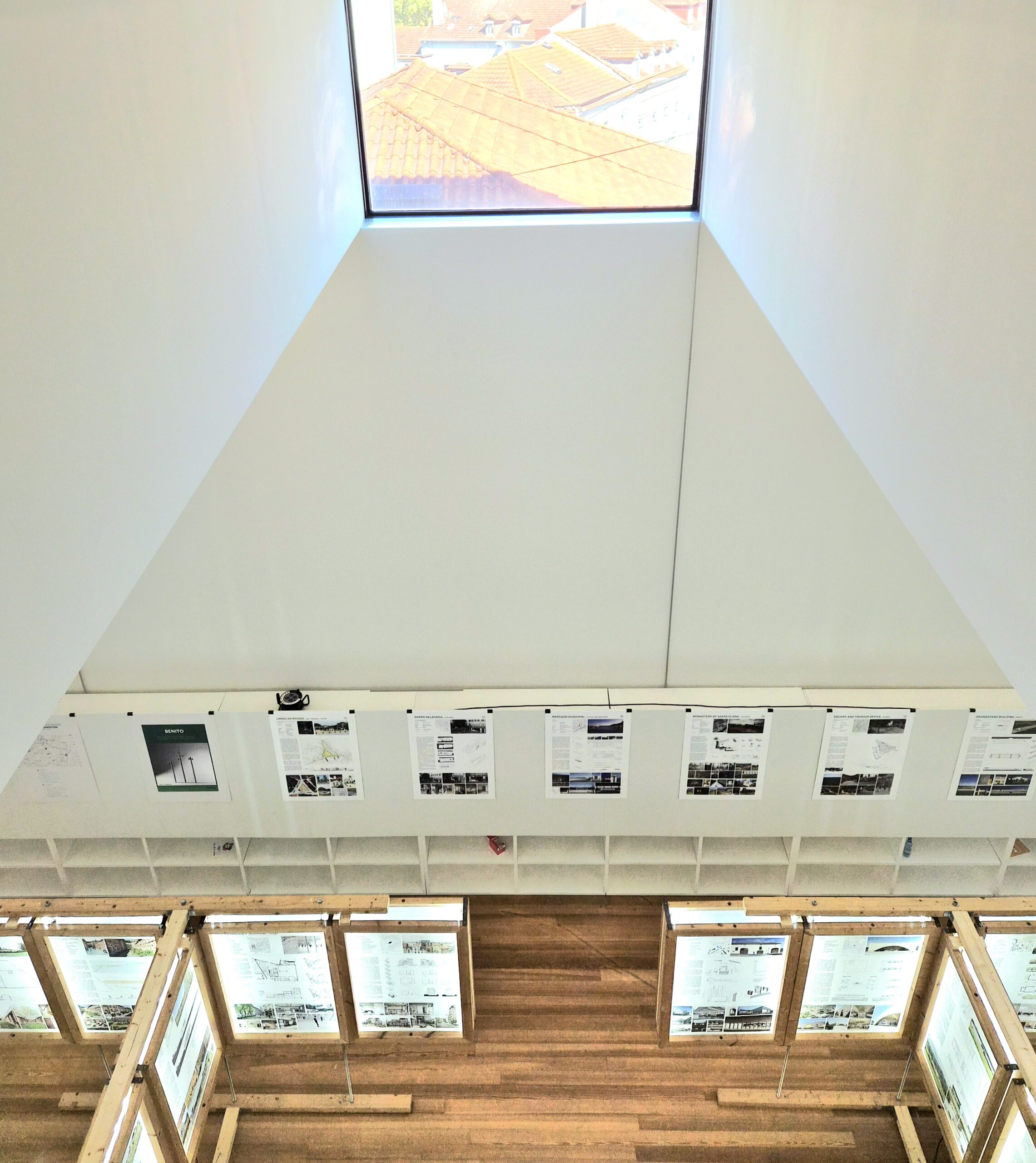
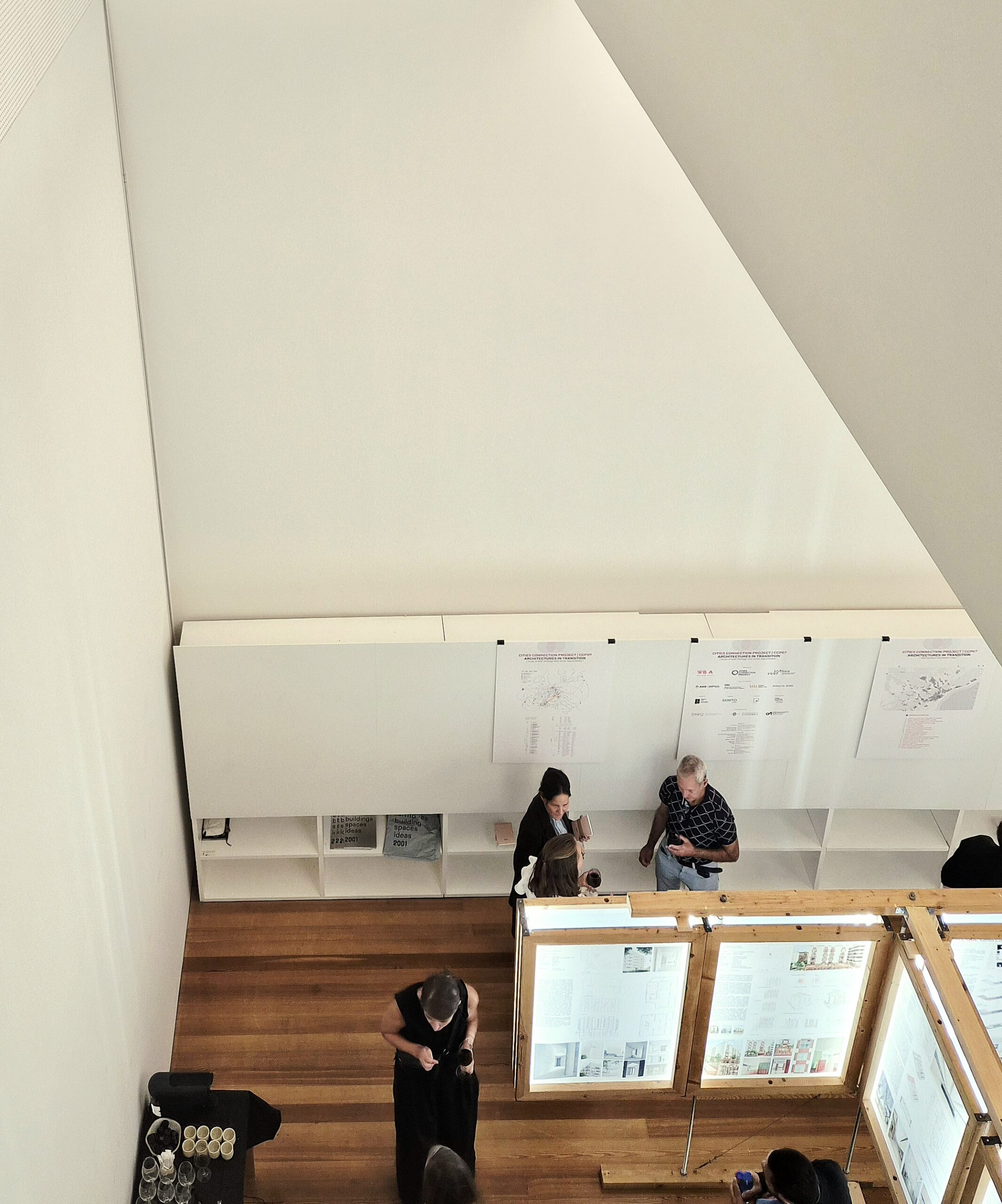
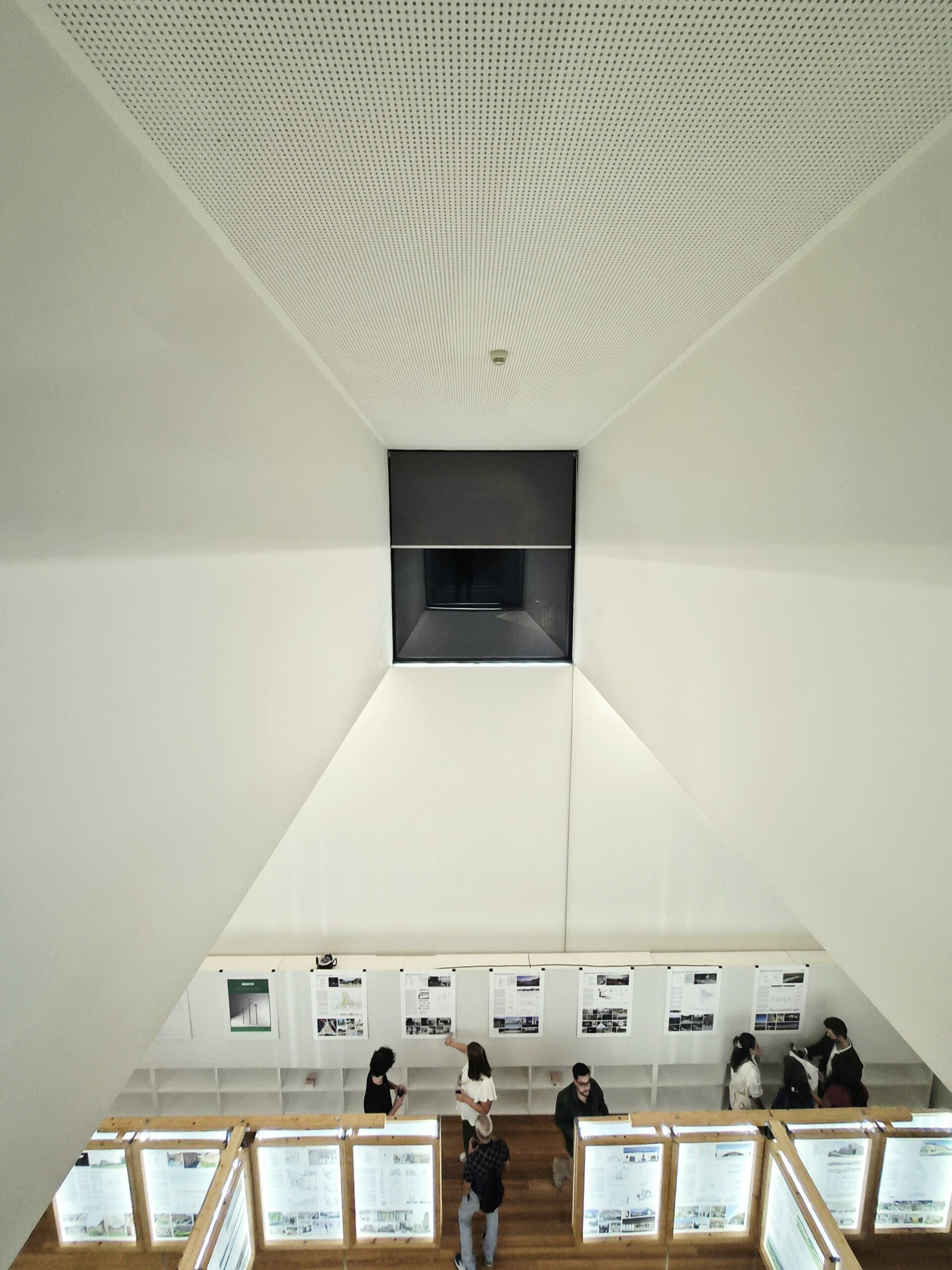
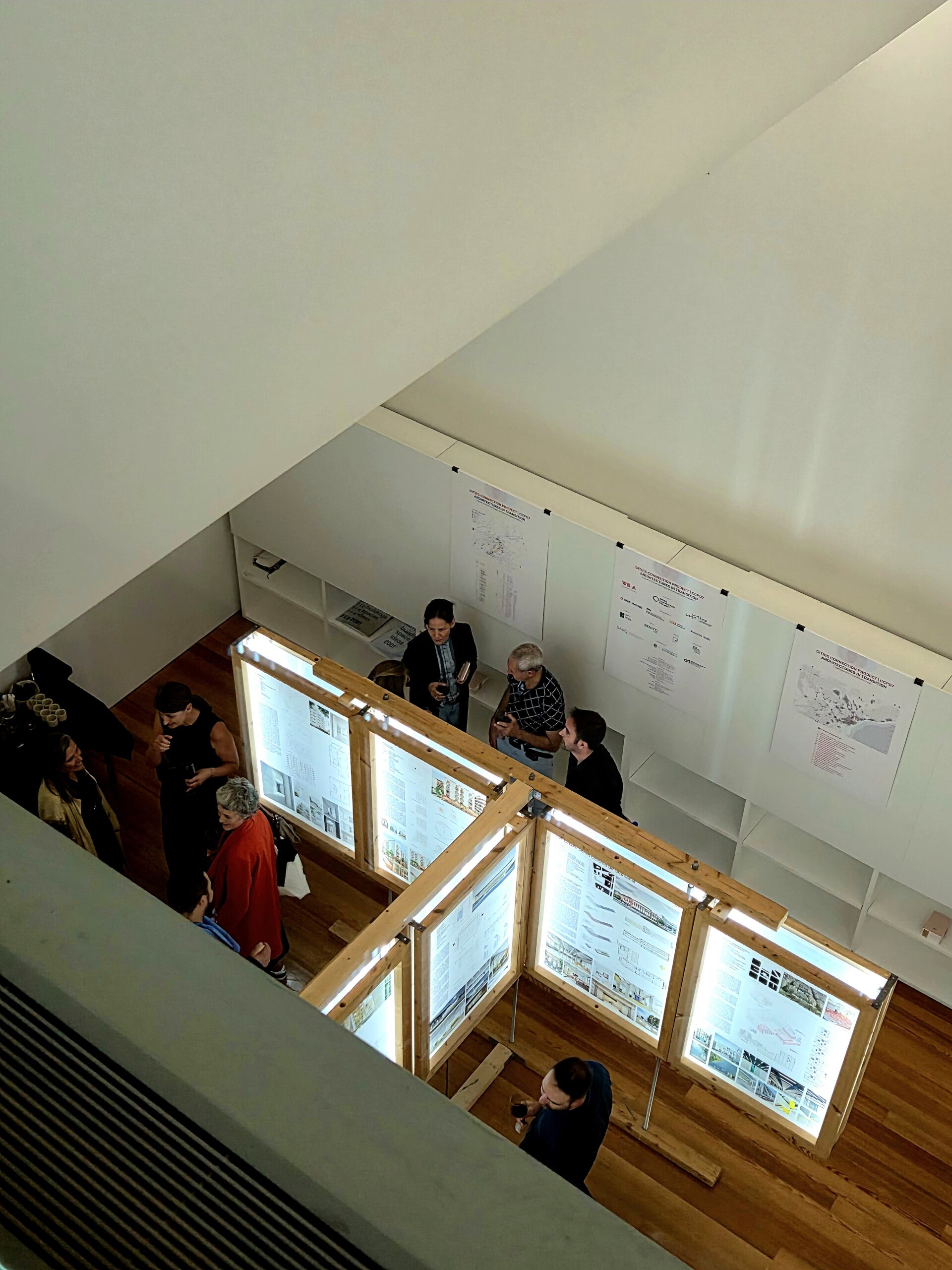
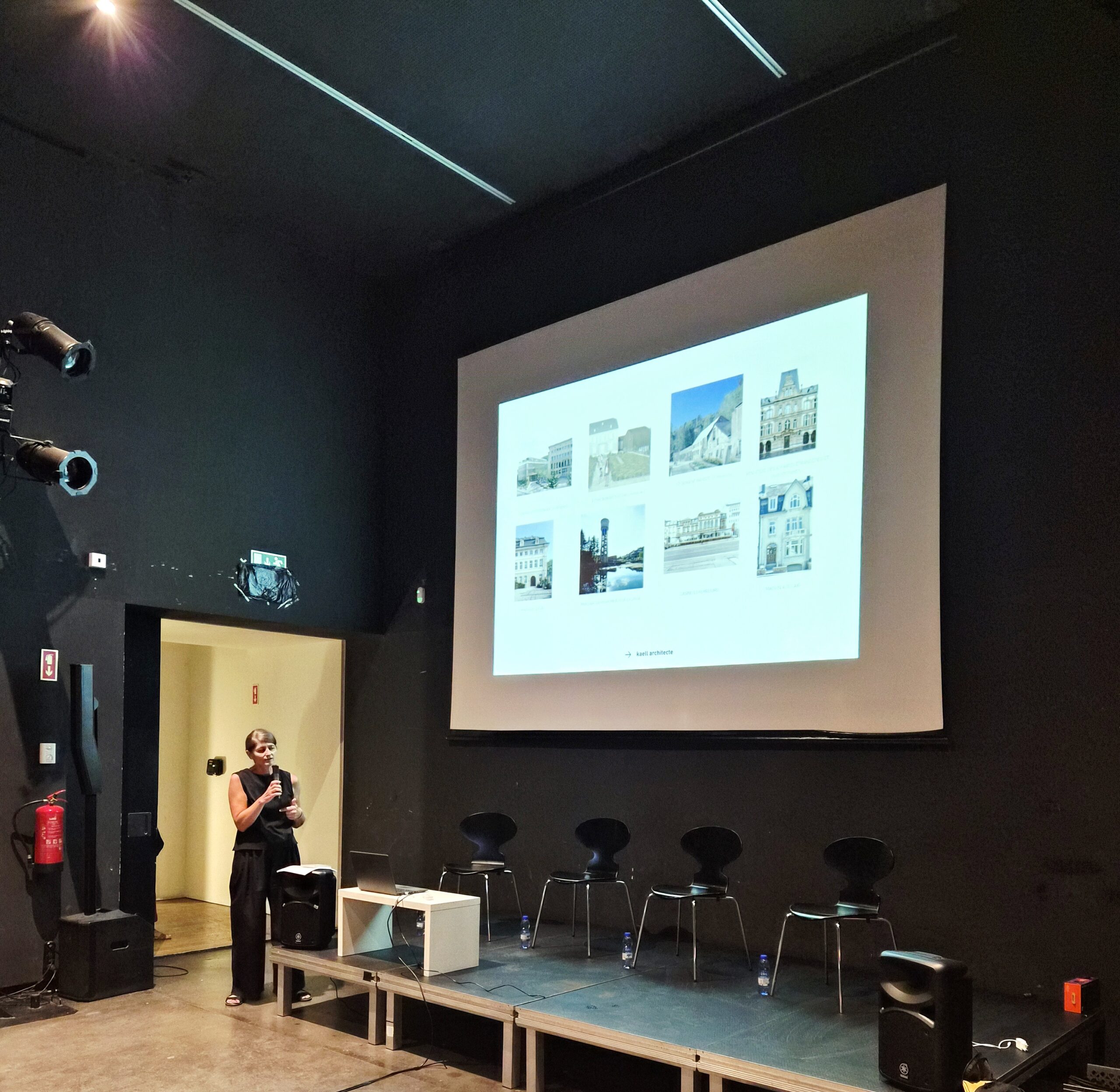
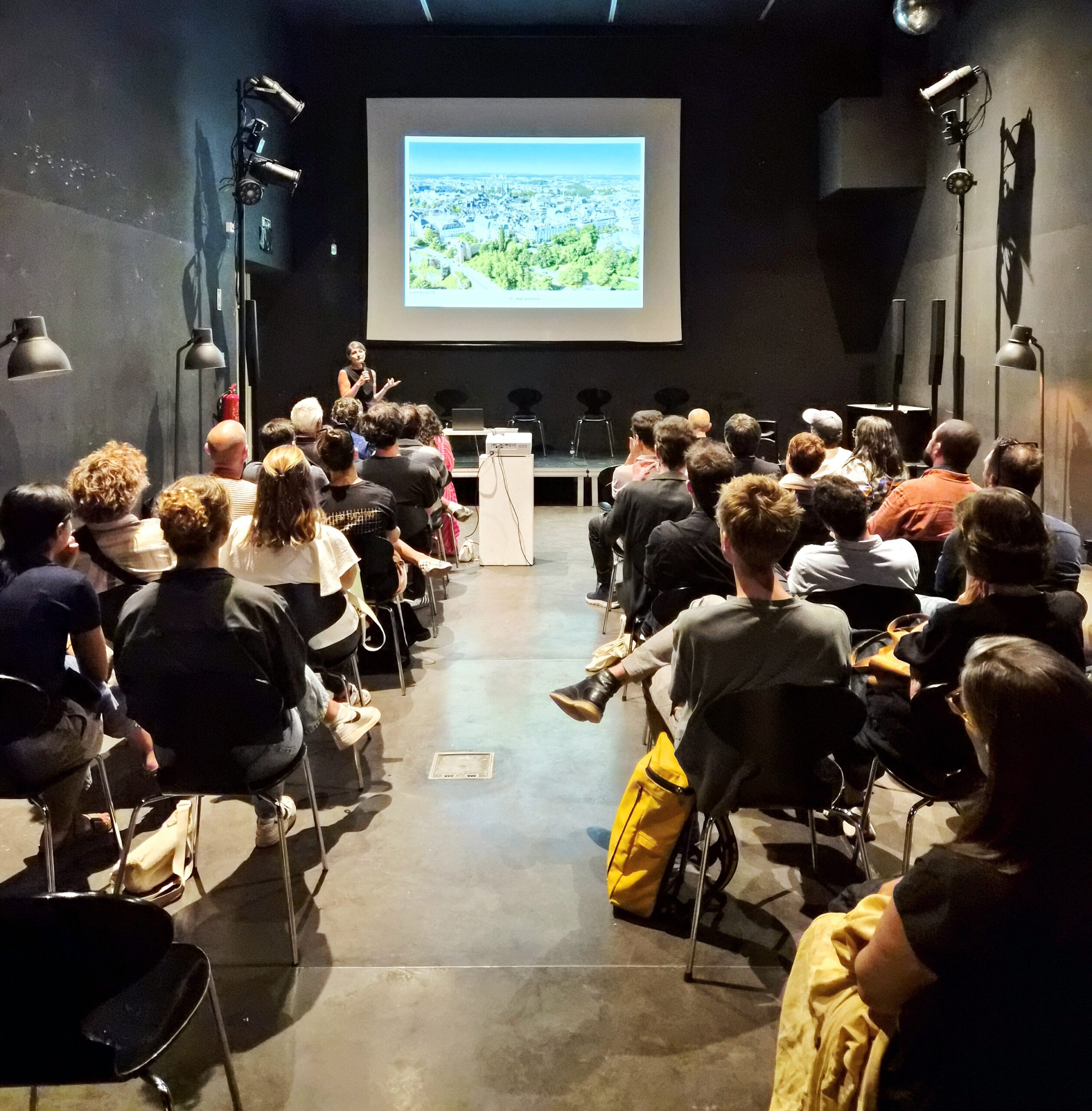
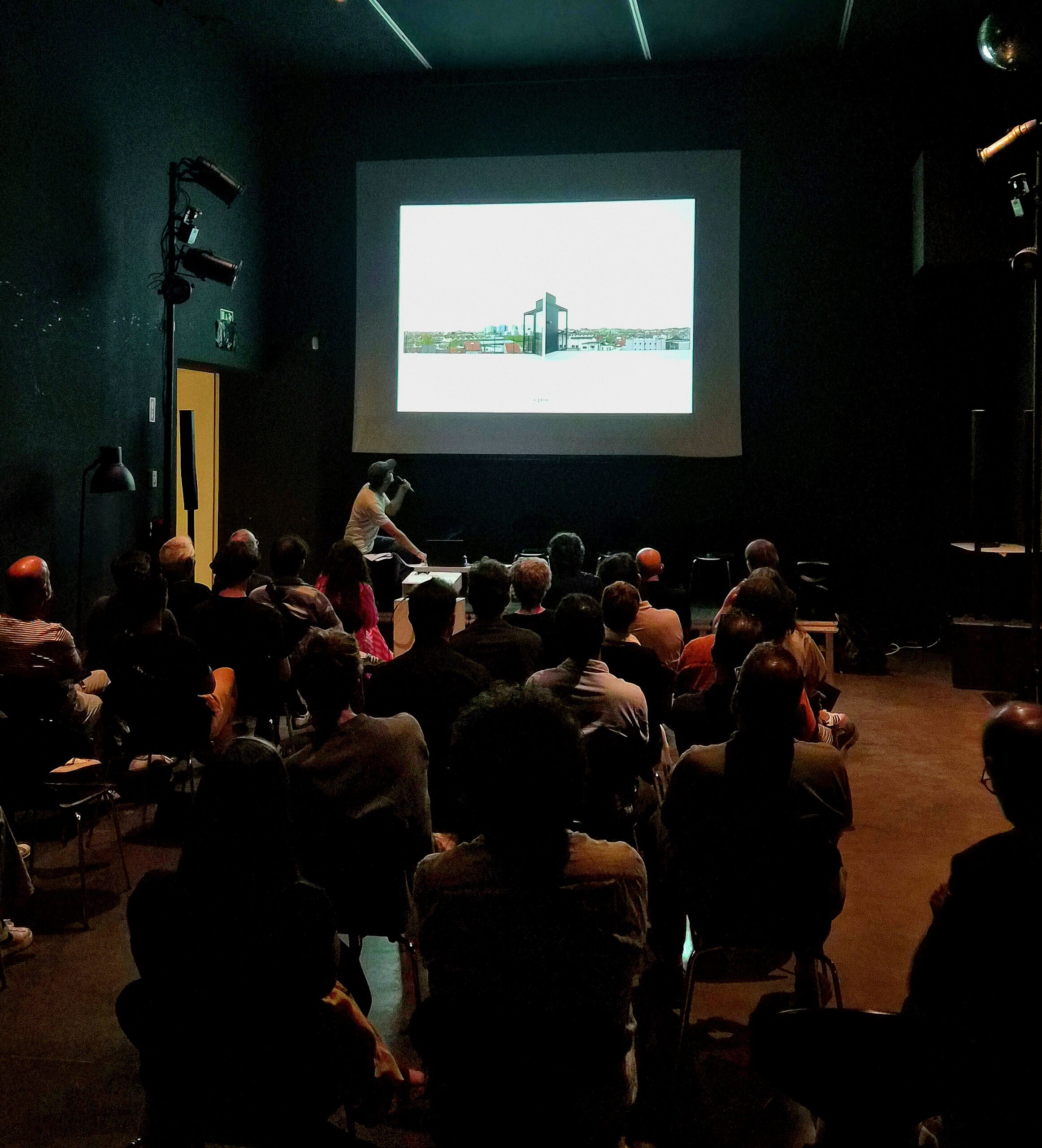
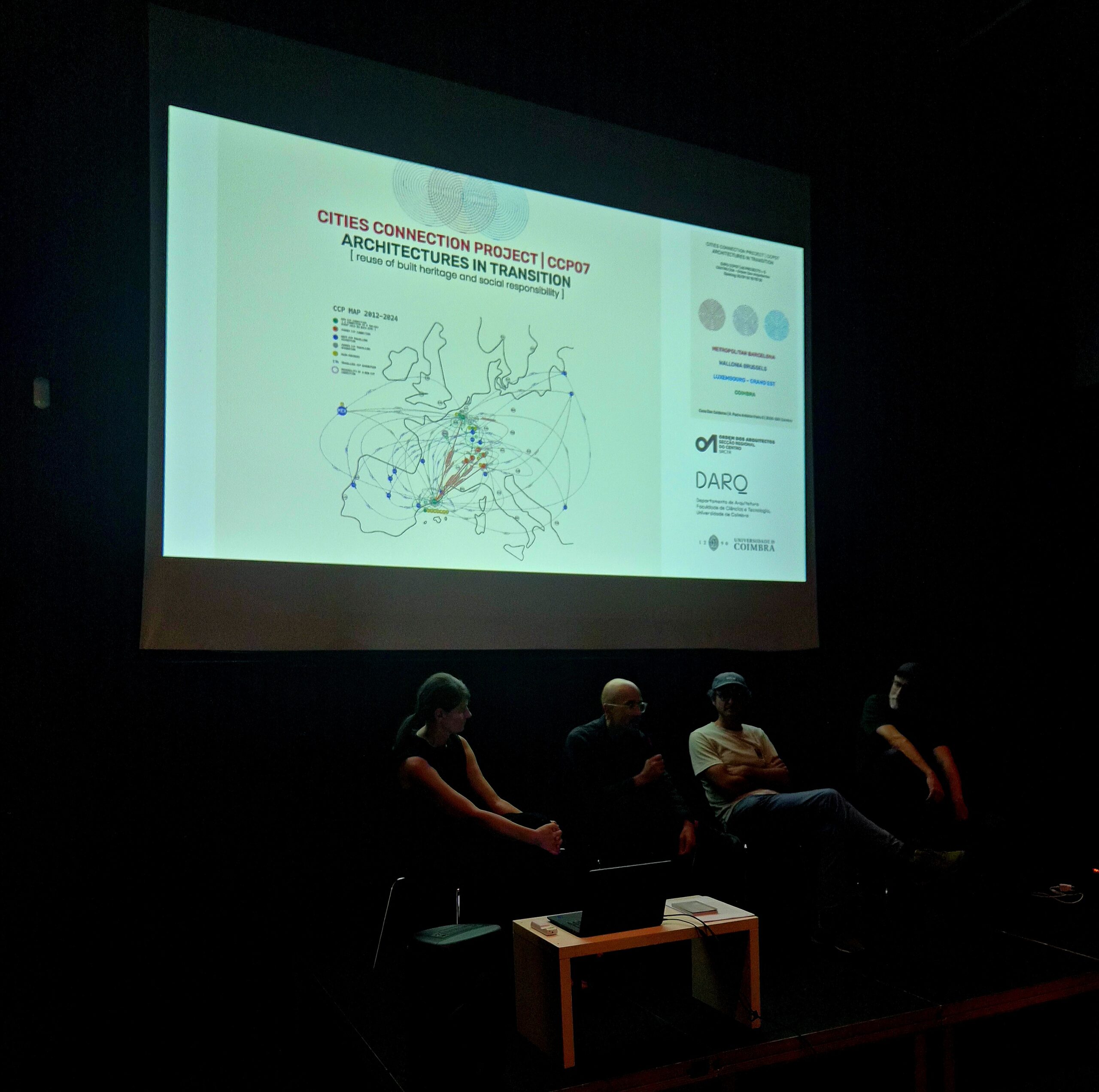
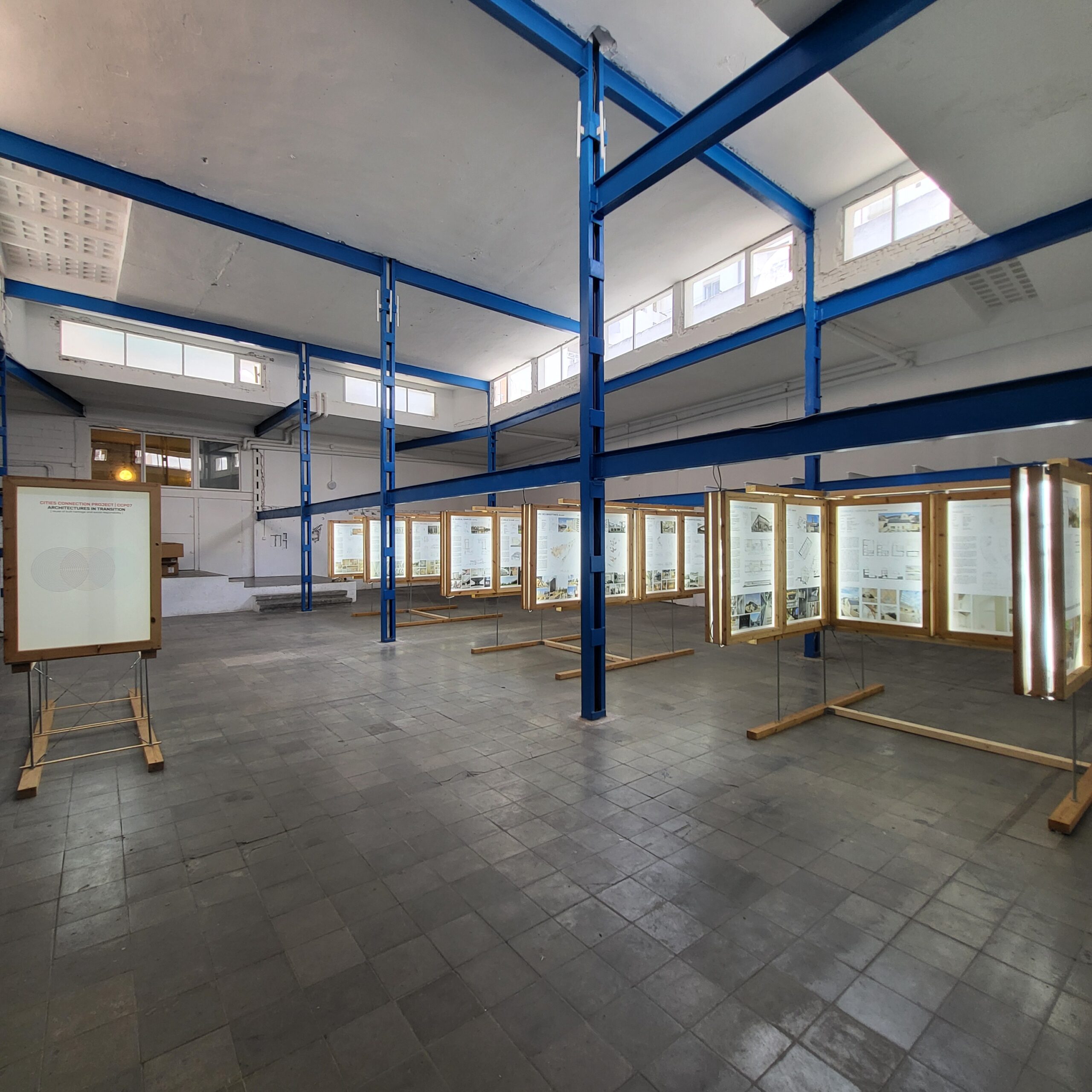
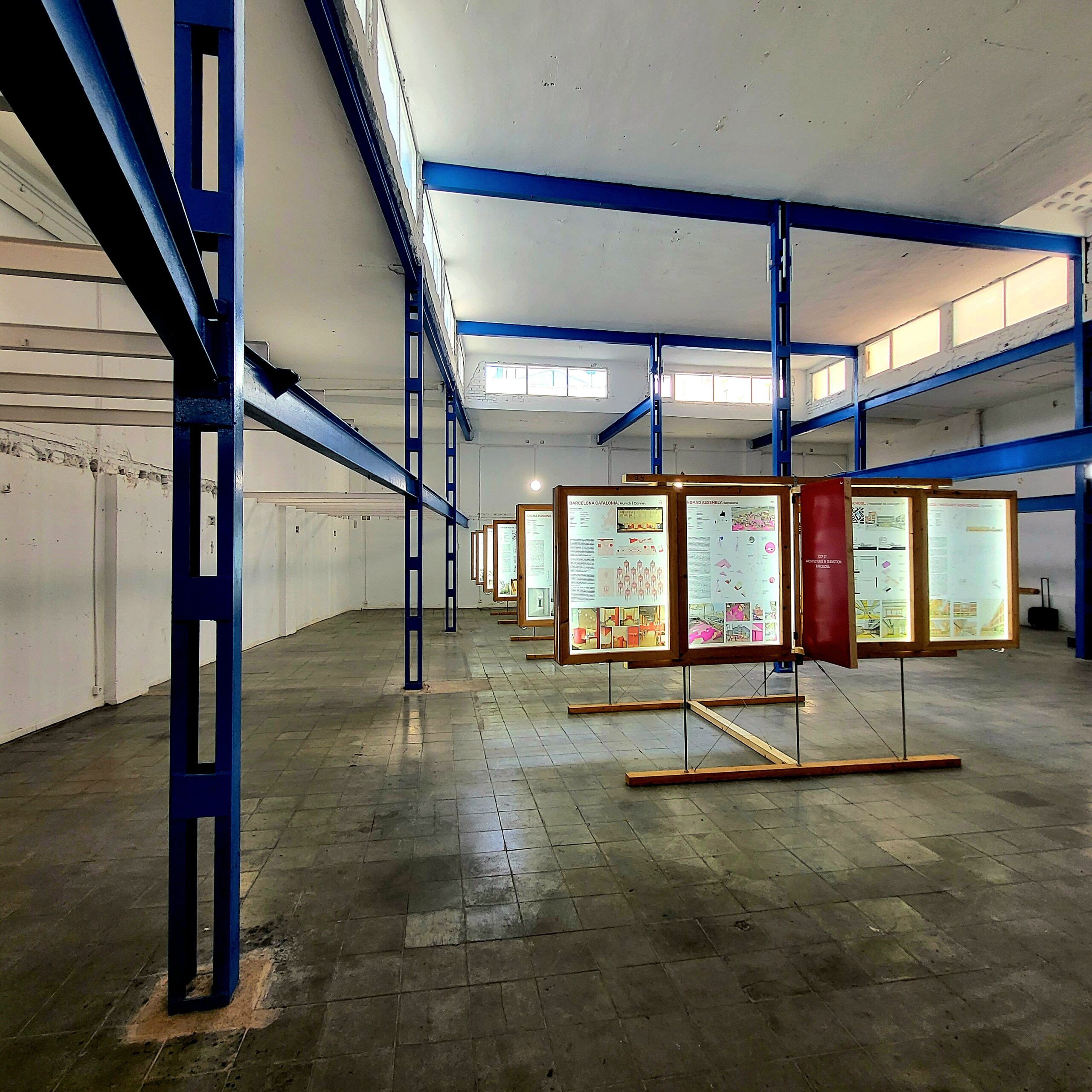
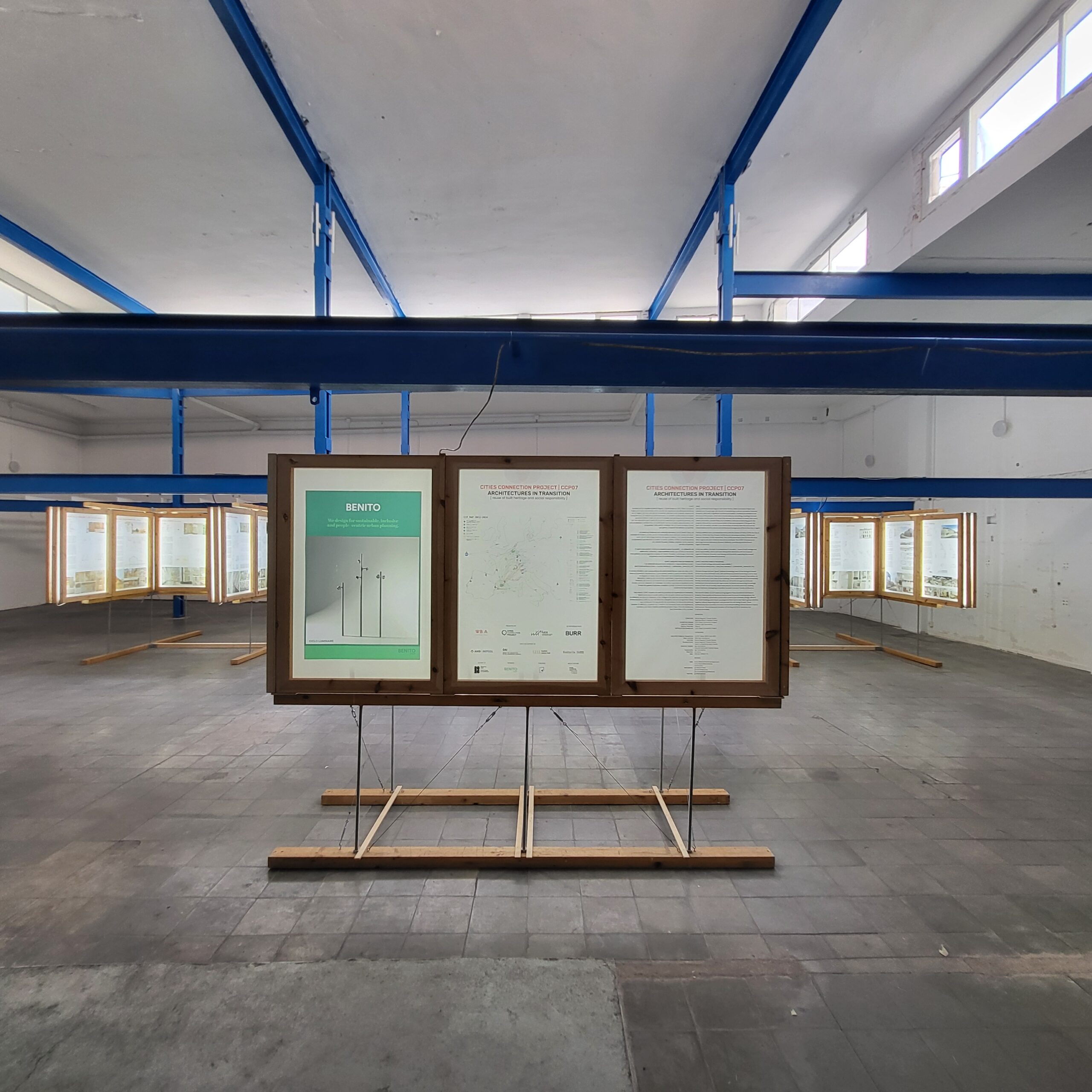
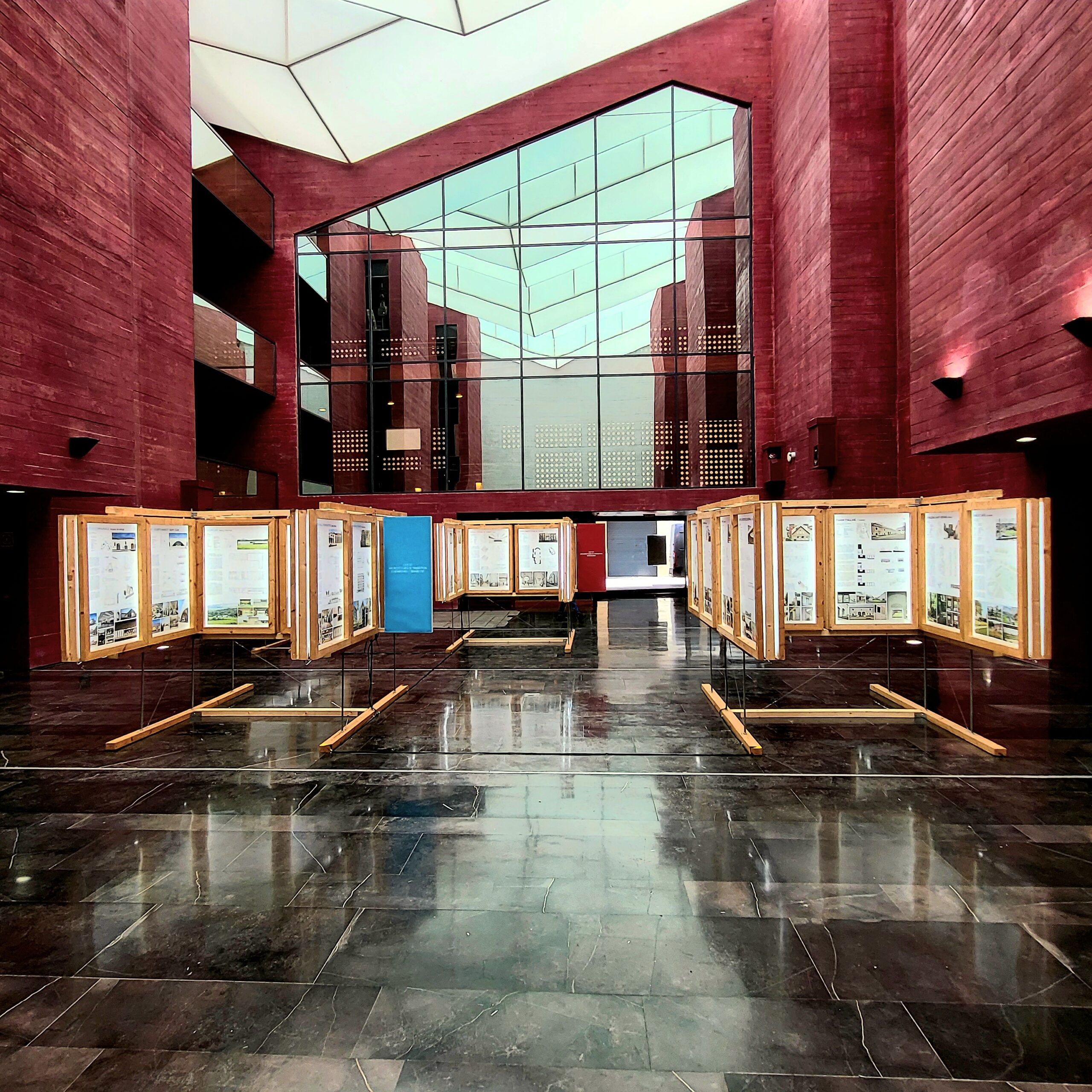
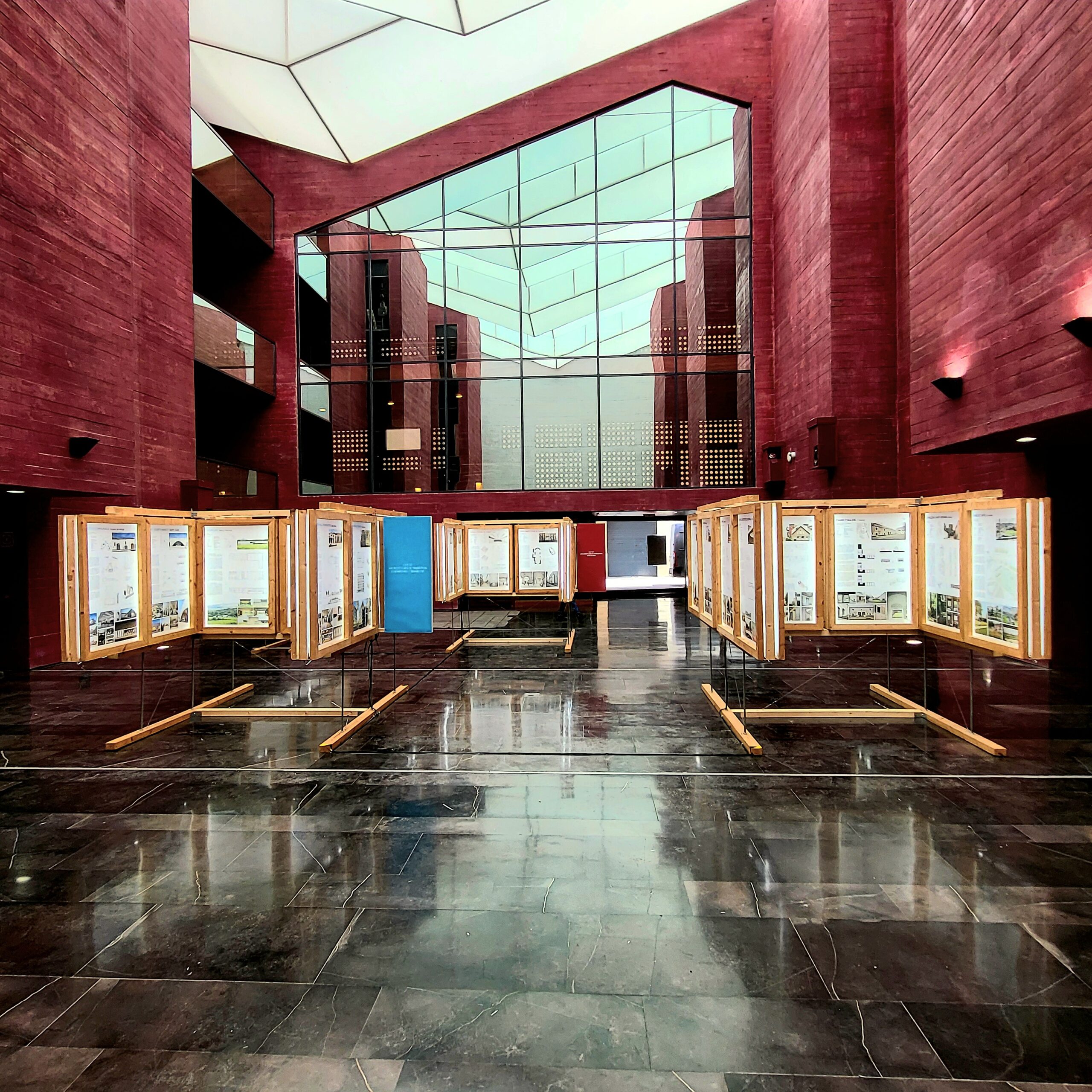
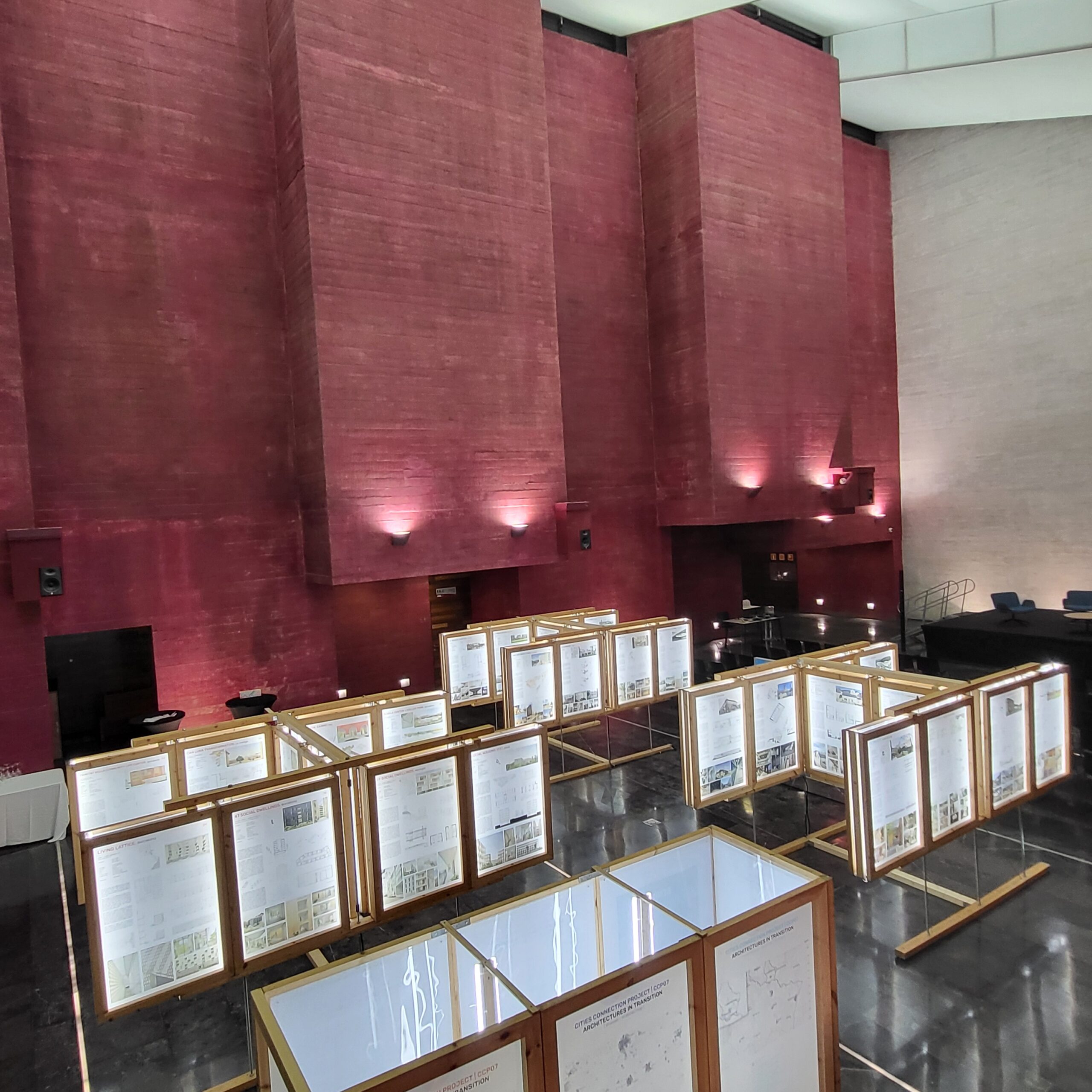
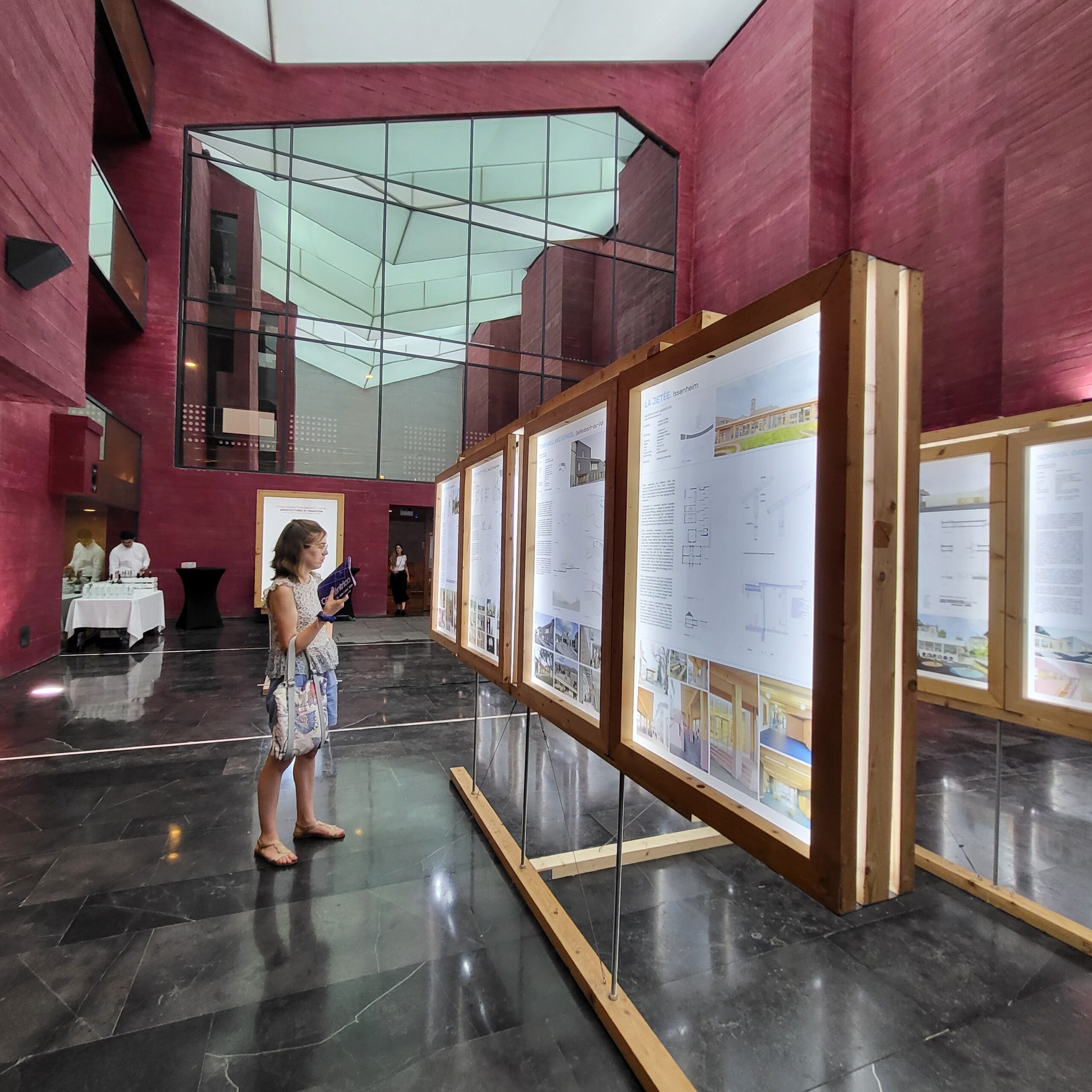
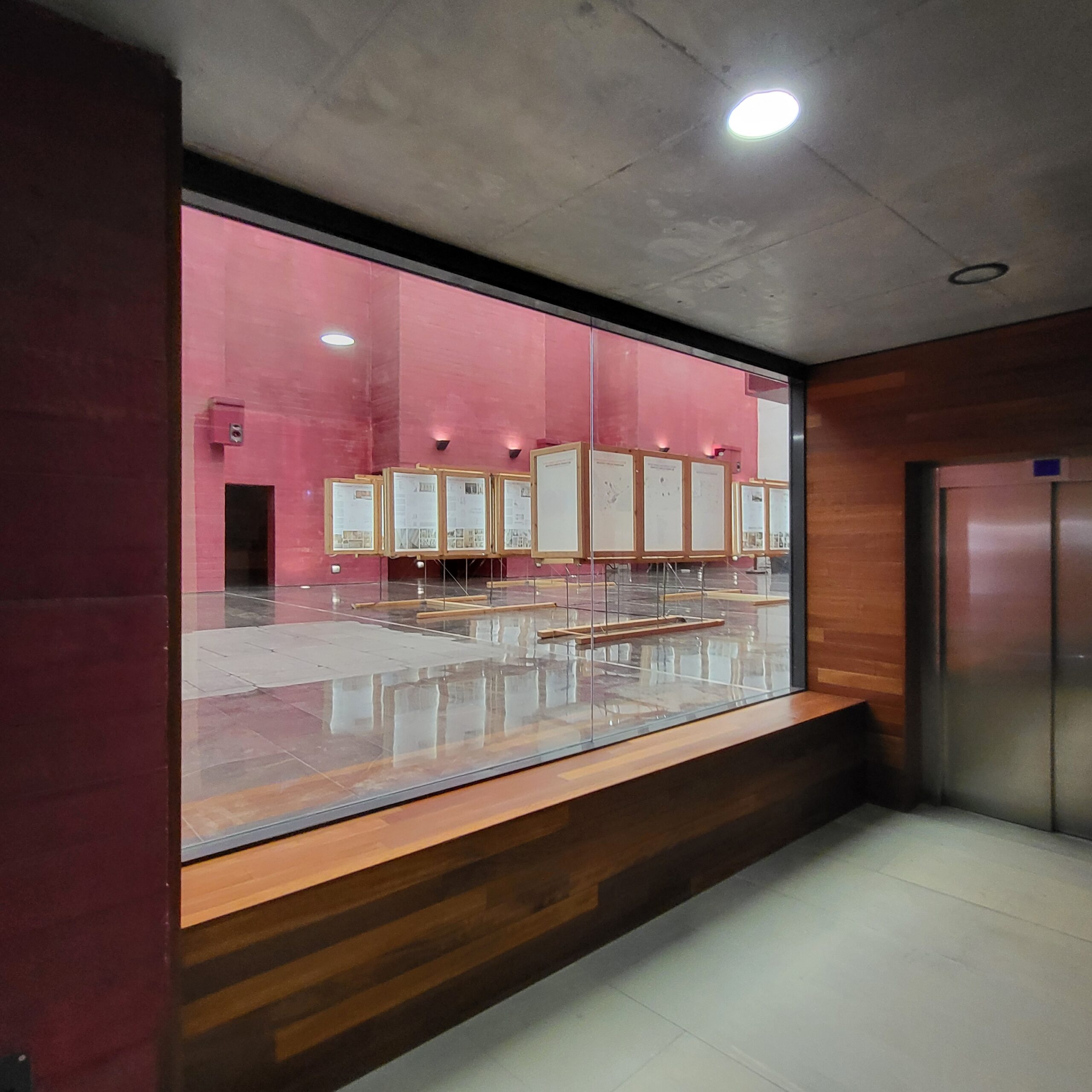
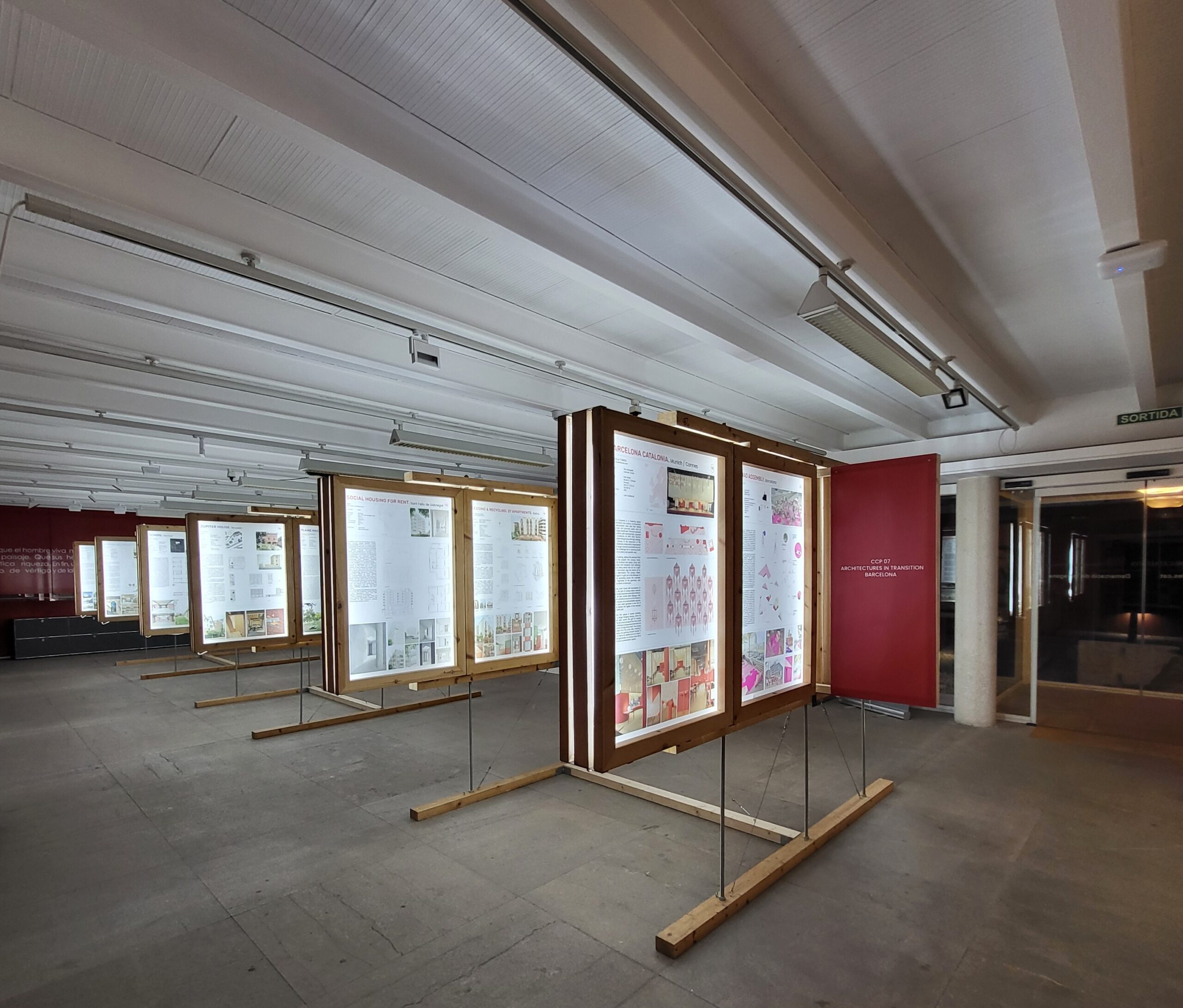
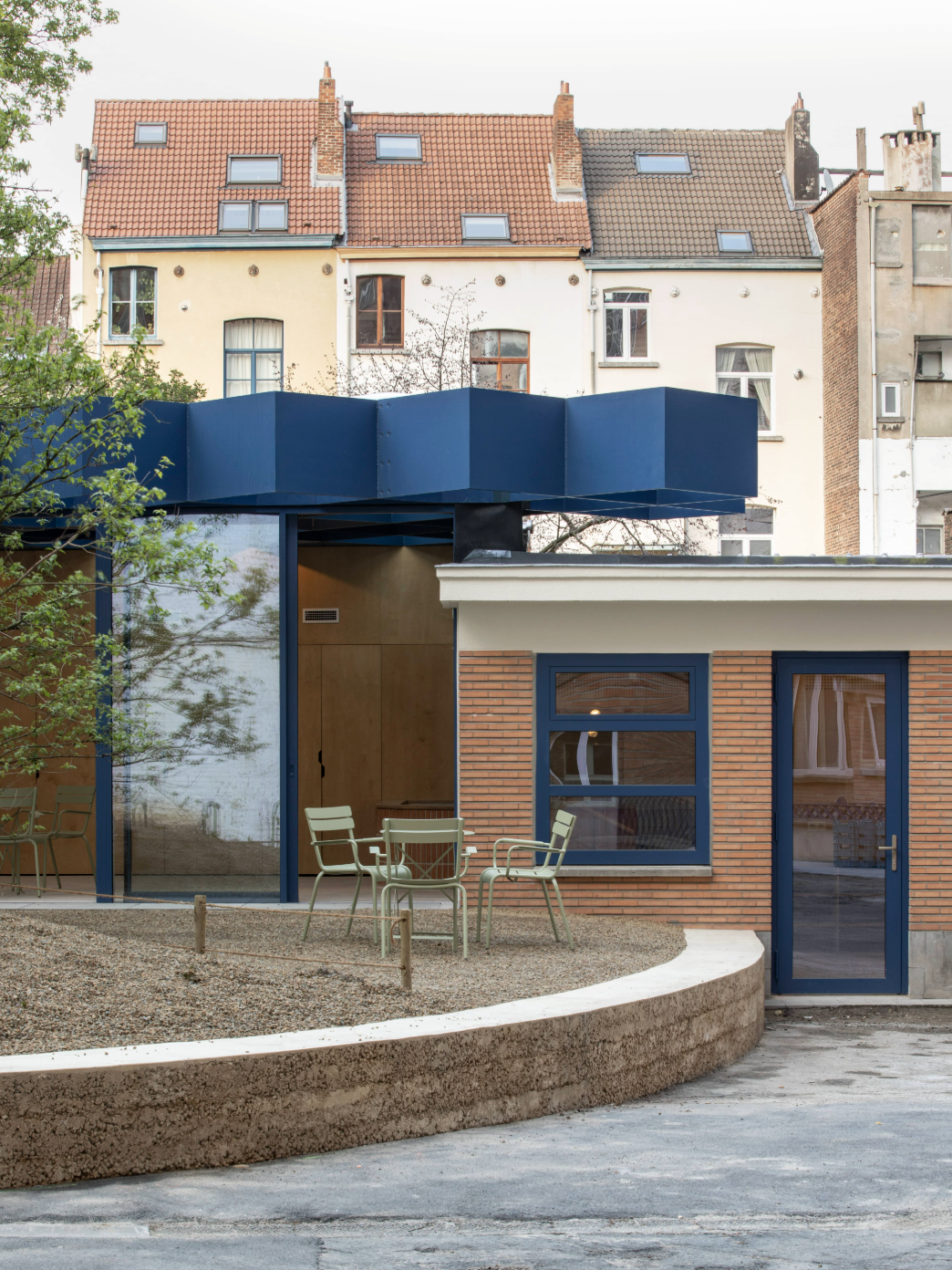
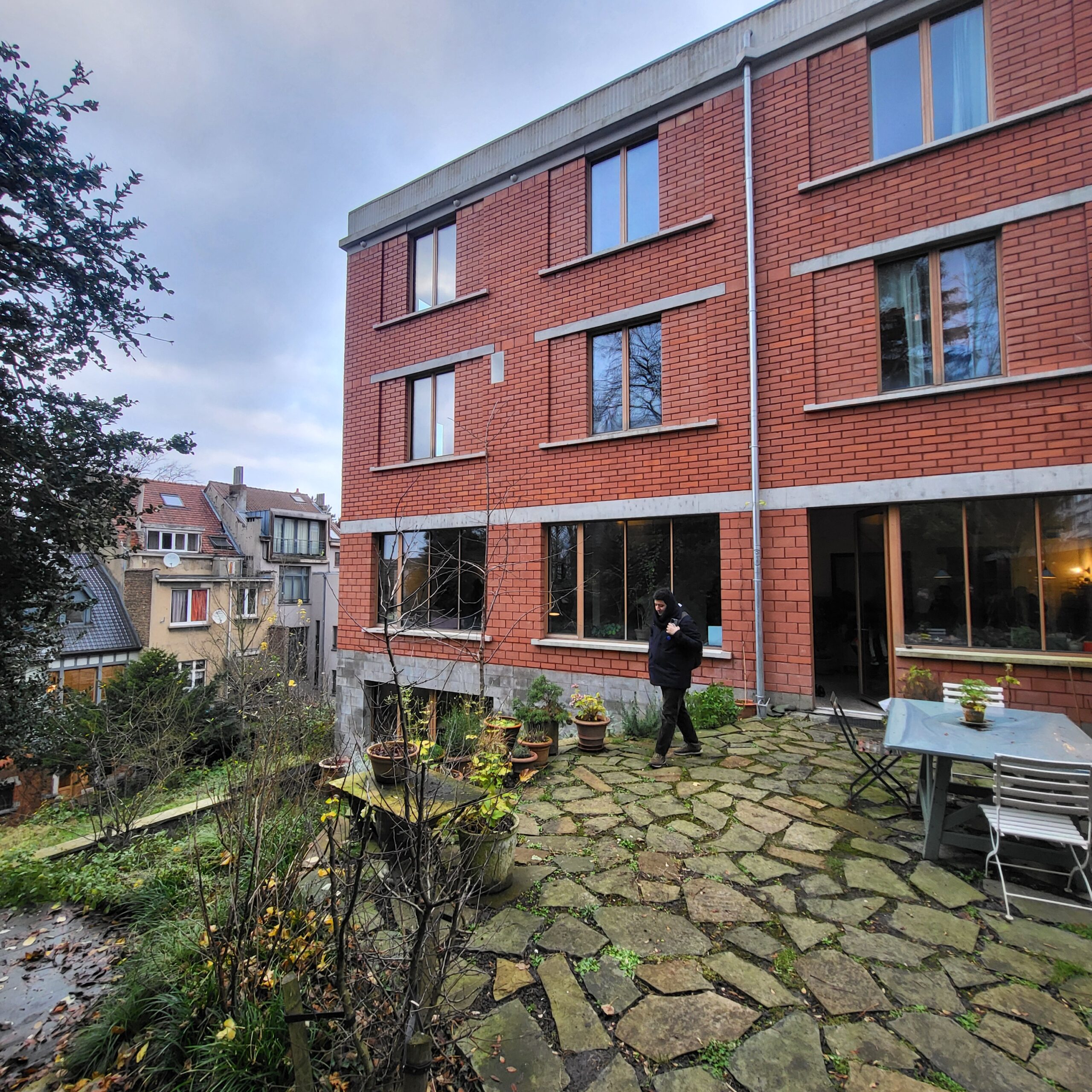
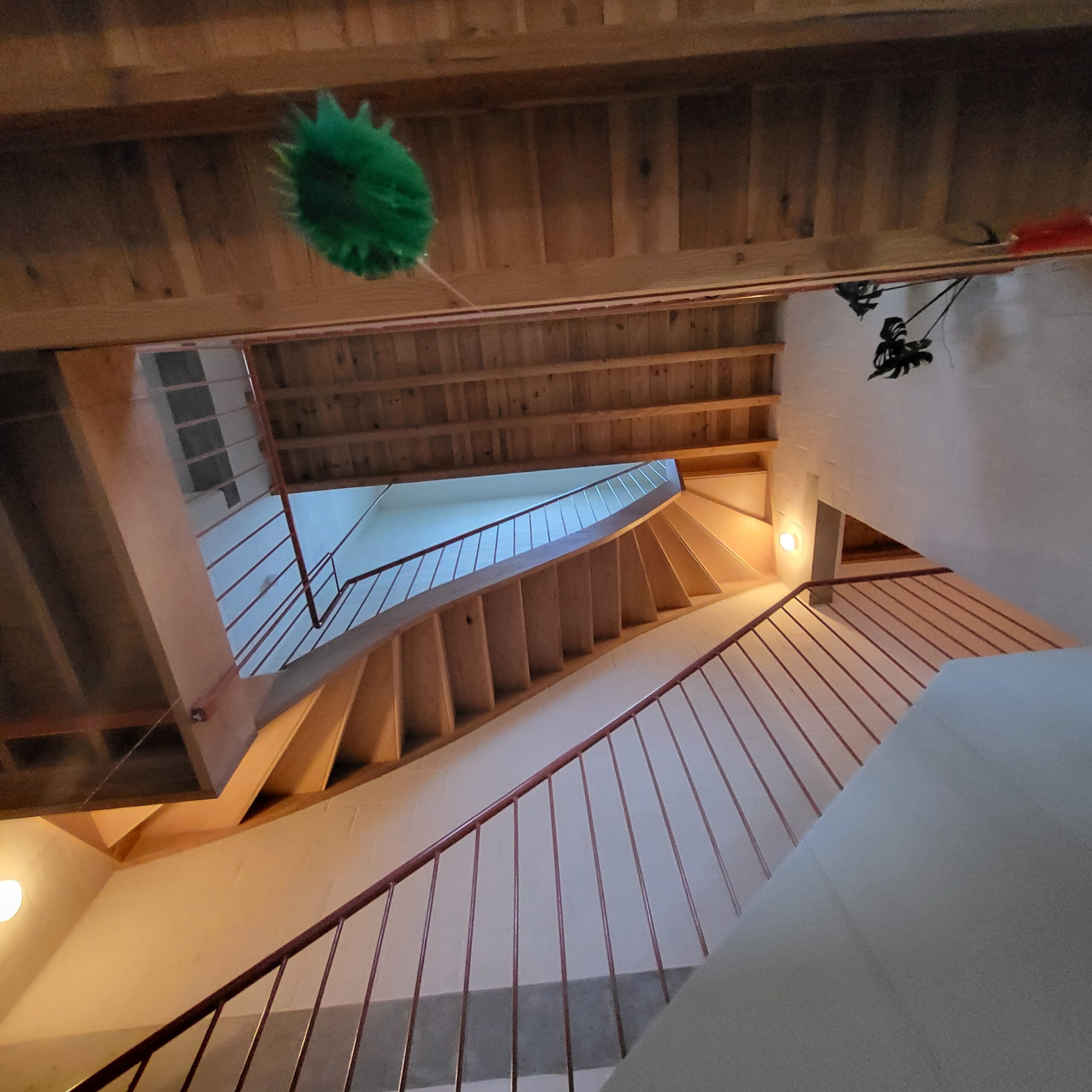
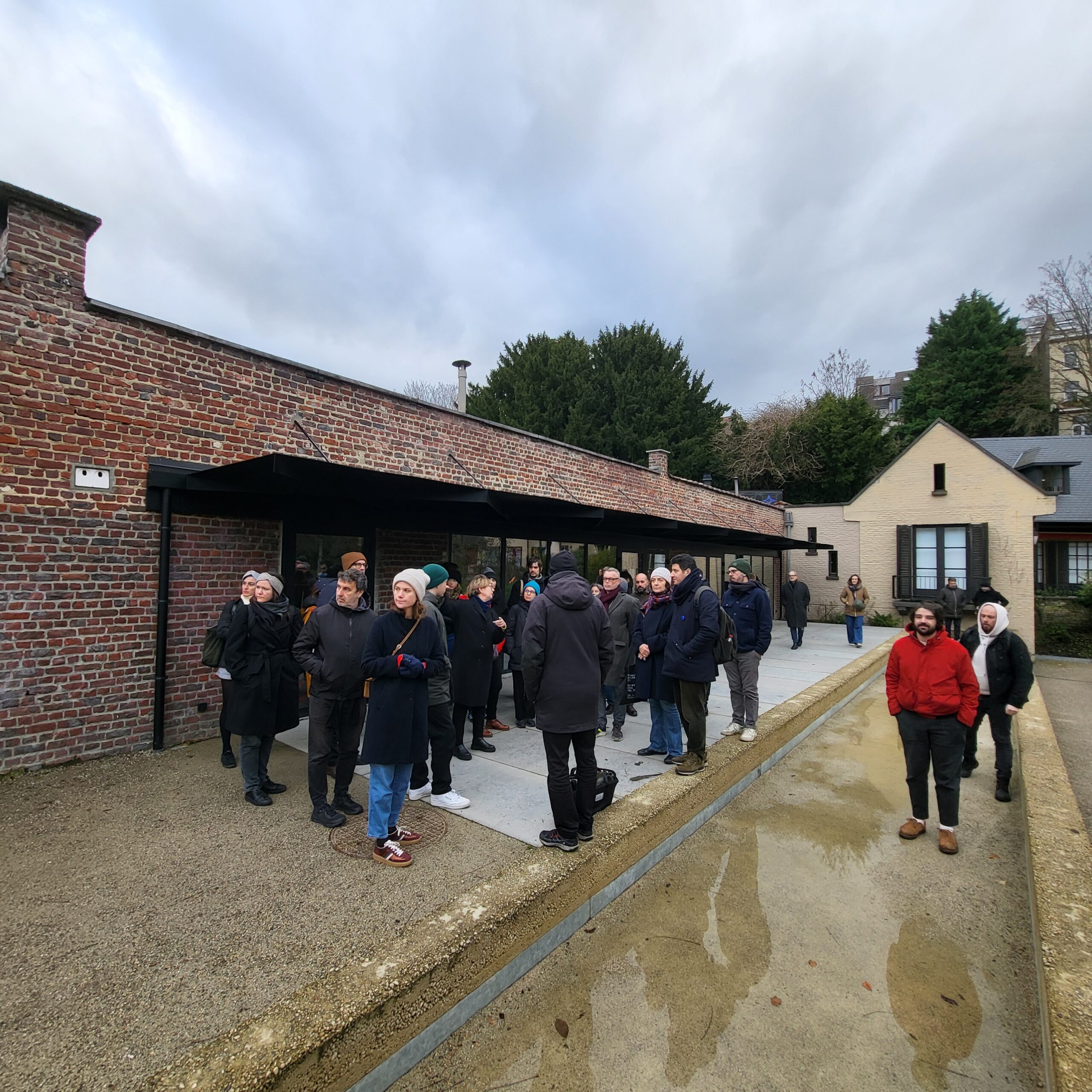
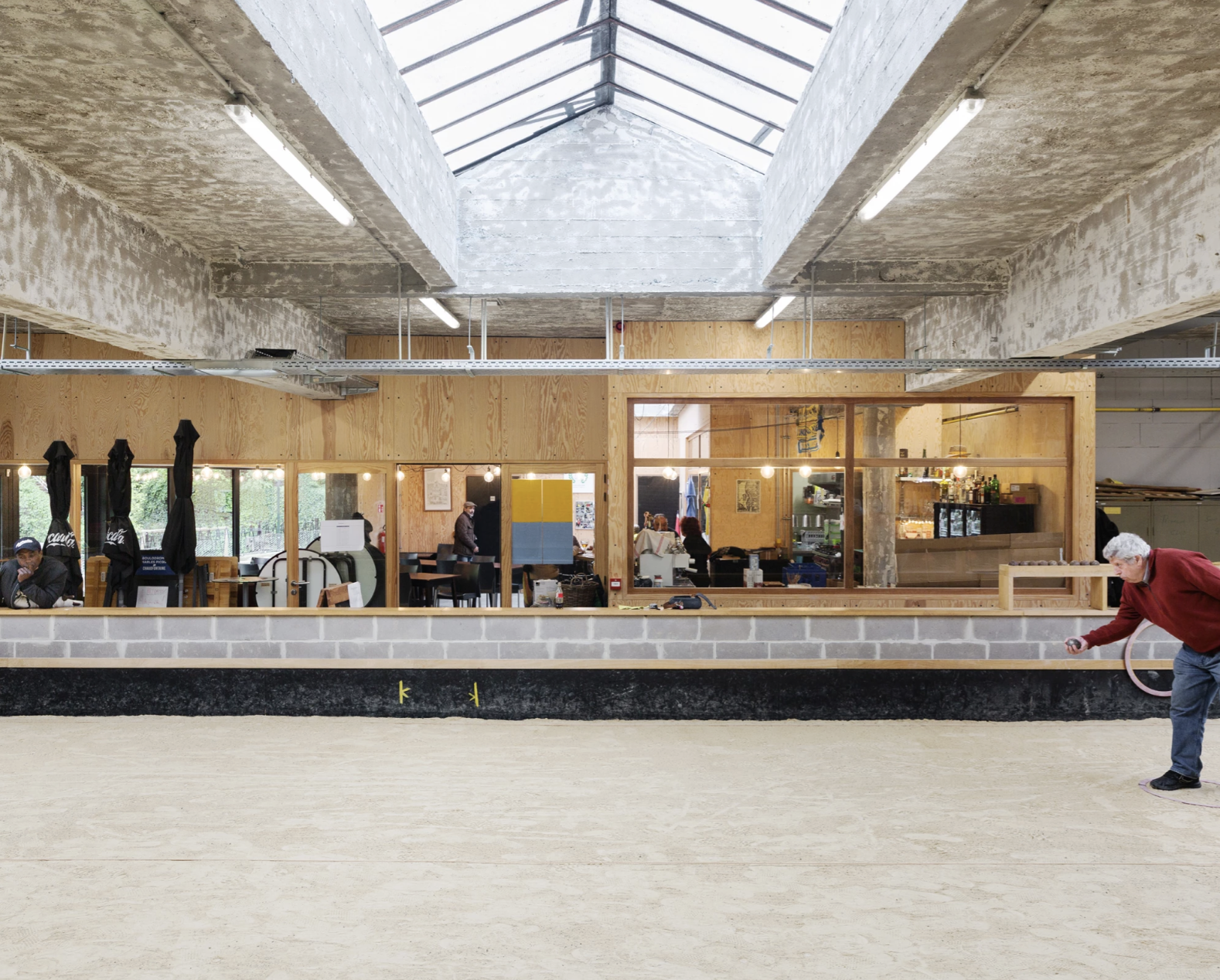
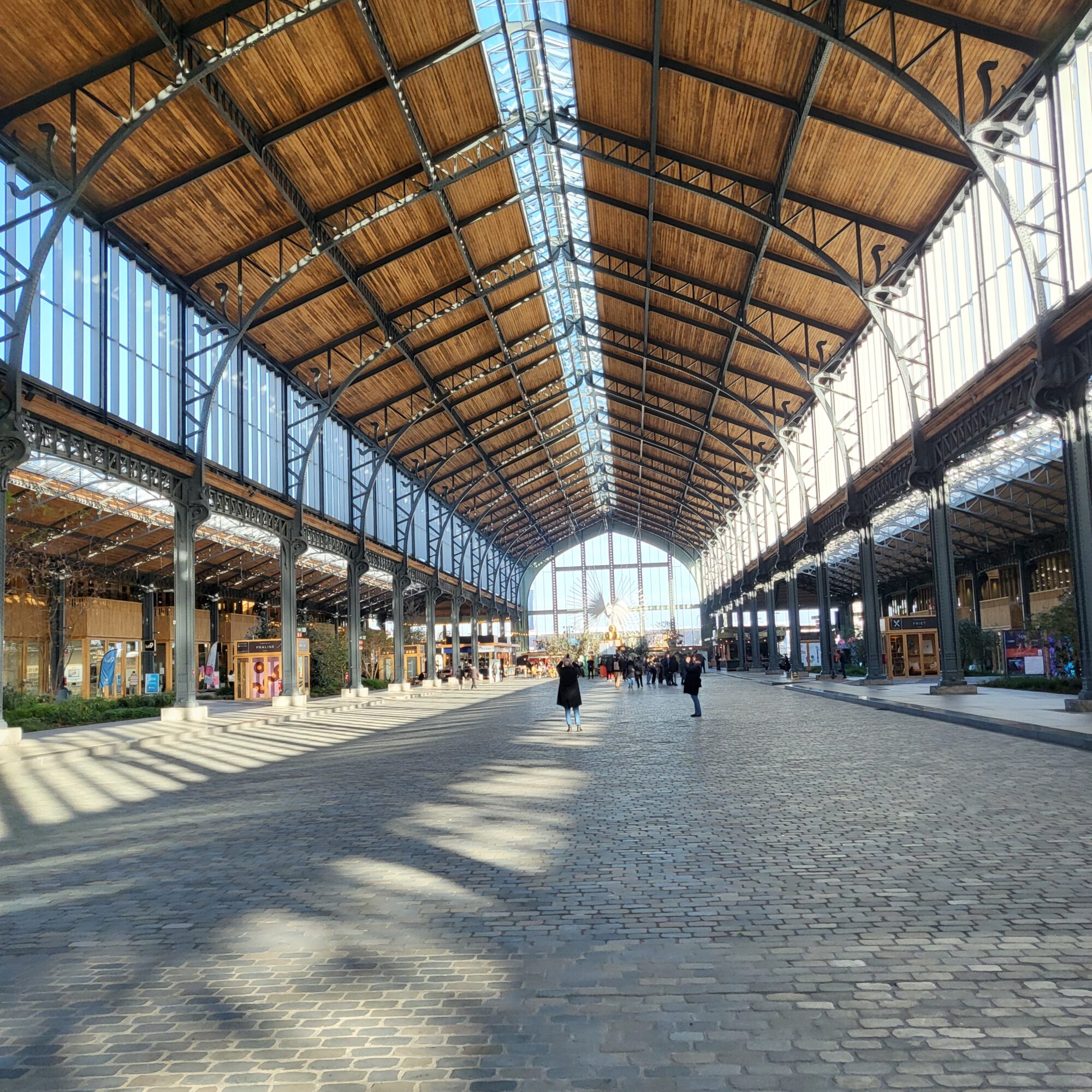
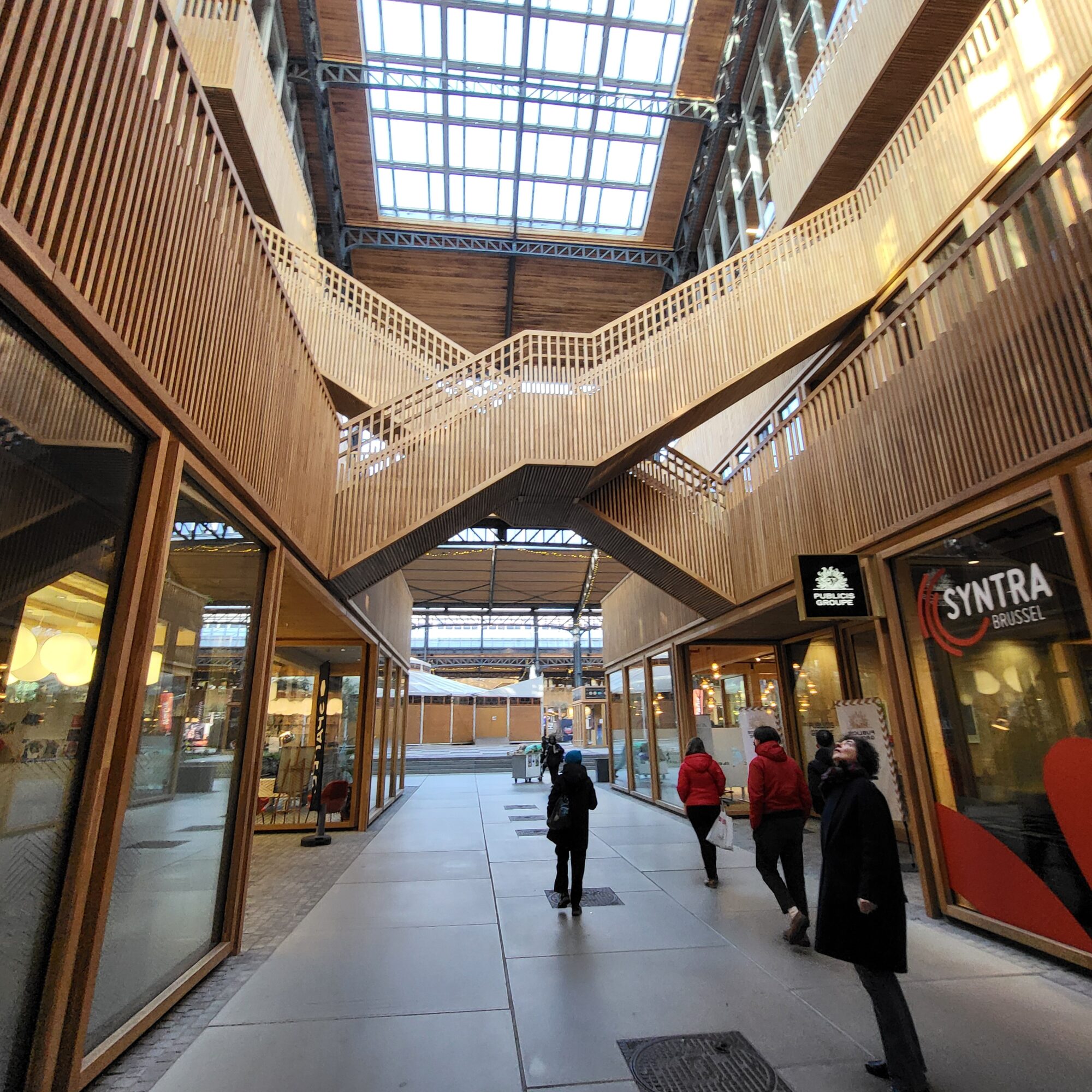
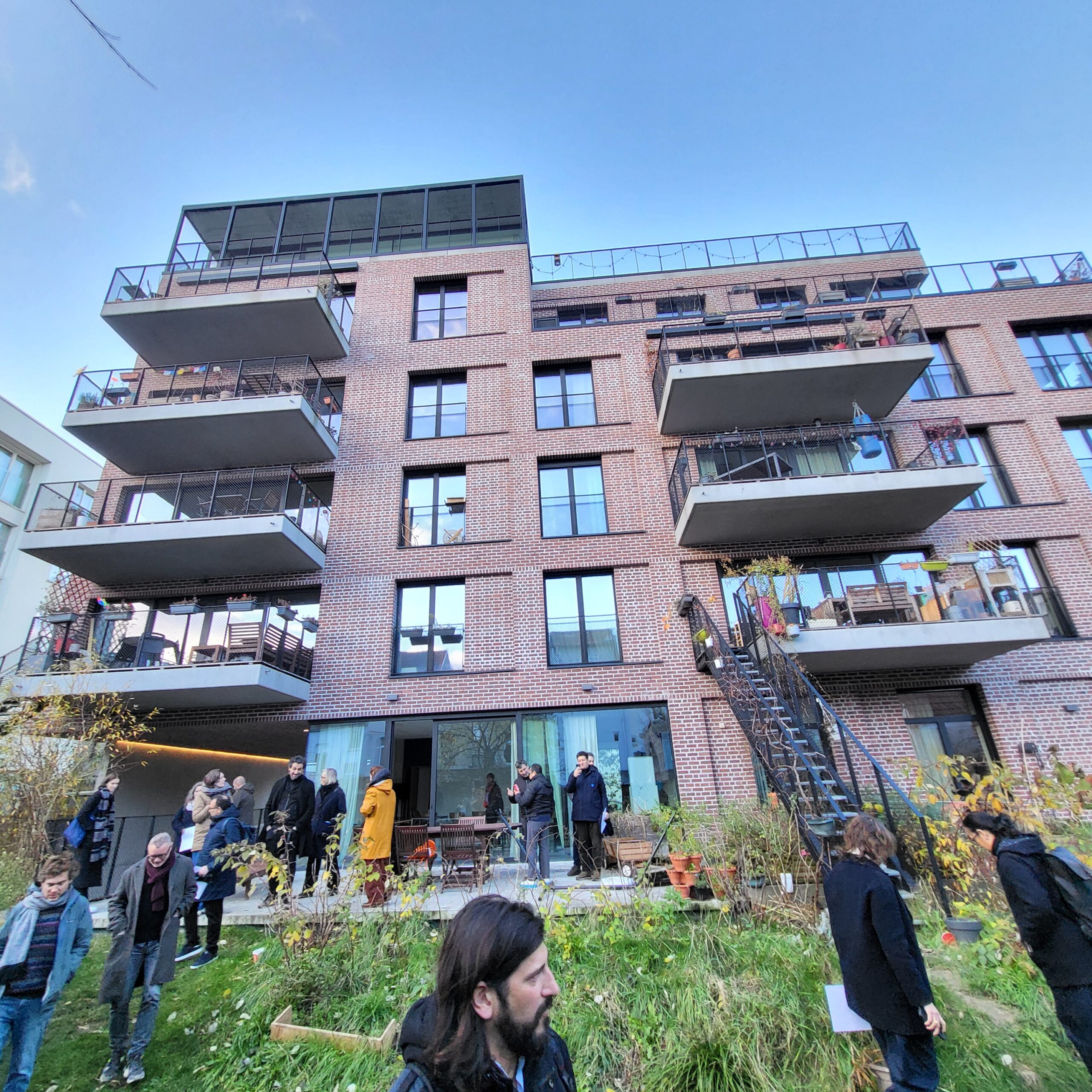
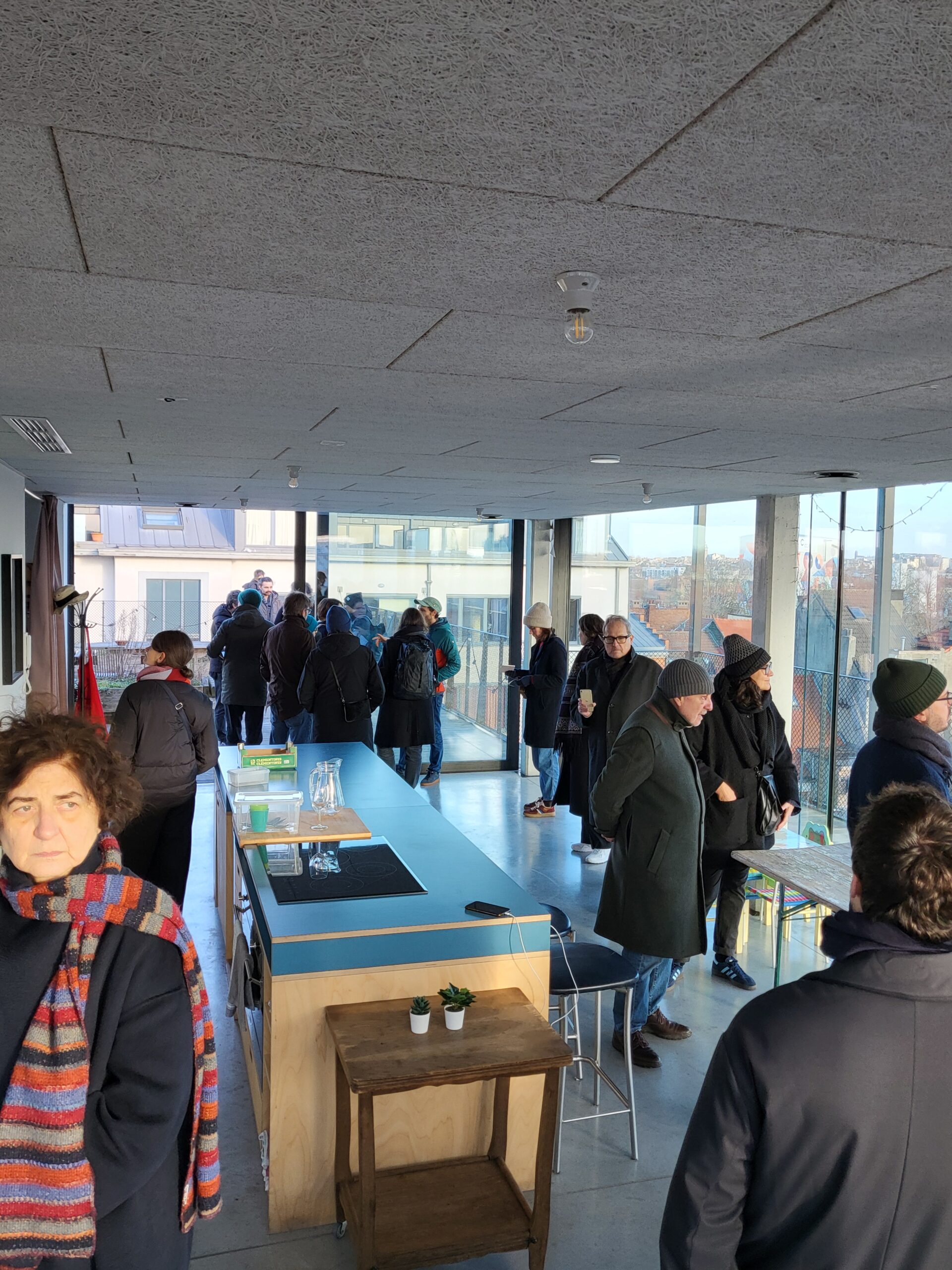
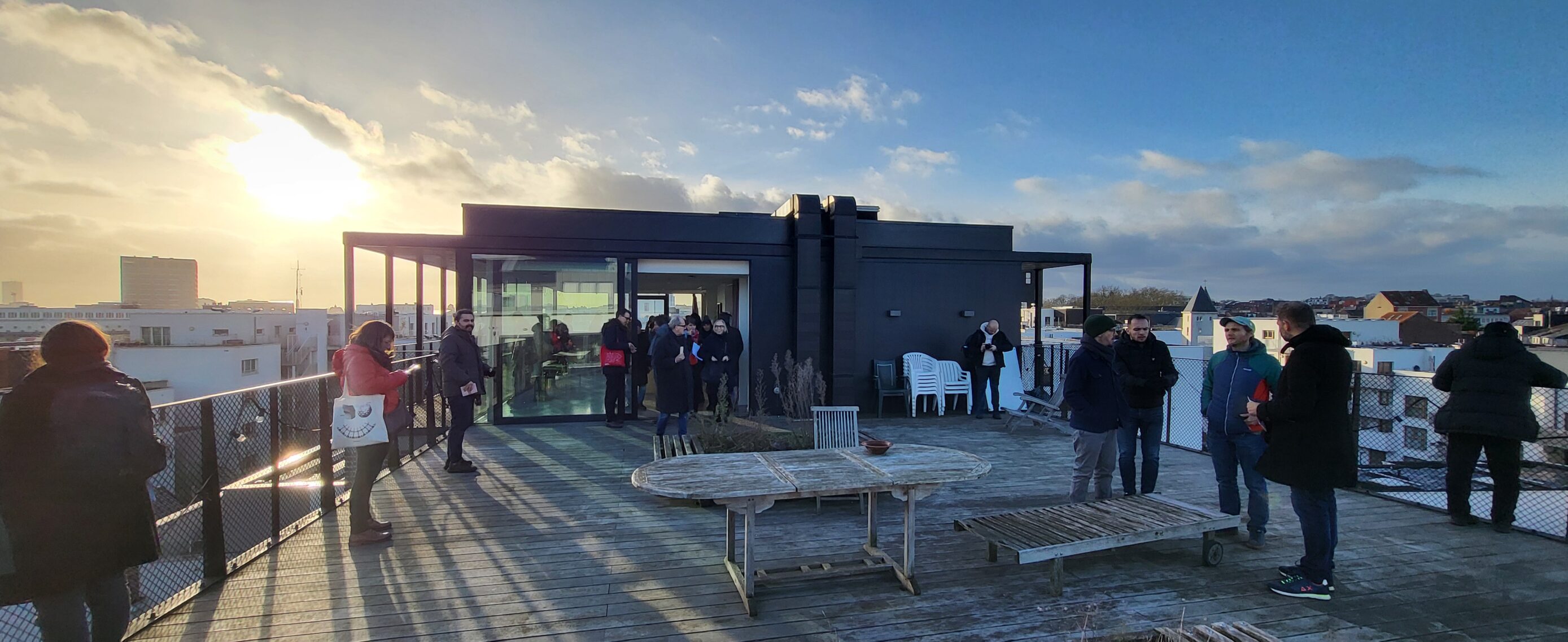
From October 16 to 30, RISEBA H2O 6 will host the international architecture exhibition “Architectures in Transition”, organised as part of the Cities Connection Project. The exhibition is dedicated to sustainable and socially responsible architecture, highlighting the reuse of the built heritage, circular solutions and the development of climate-neutral urban environments.
Exhibition dates: October 16–30 Panel discussions: October 16 at 15.00 Venue: Durbes iela 4, RISEBA H2O 6, Riga
The Cities Connection Project connects cities and their architecture, fostering collaboration between architects, cultural professionals, policy makers and universities across Europe. The project is built around travelling architecture exhibitions, creating a platform for the exchange of ideas, experiences and professional contacts.
The exhibition in Riga is organised in cooperation with the RISEBA Faculty of Architecture and Design and Wallonia–Brussels International.
The exhibition is open to students, professionals and anyone interested in architecture, urban development and sustainable design.
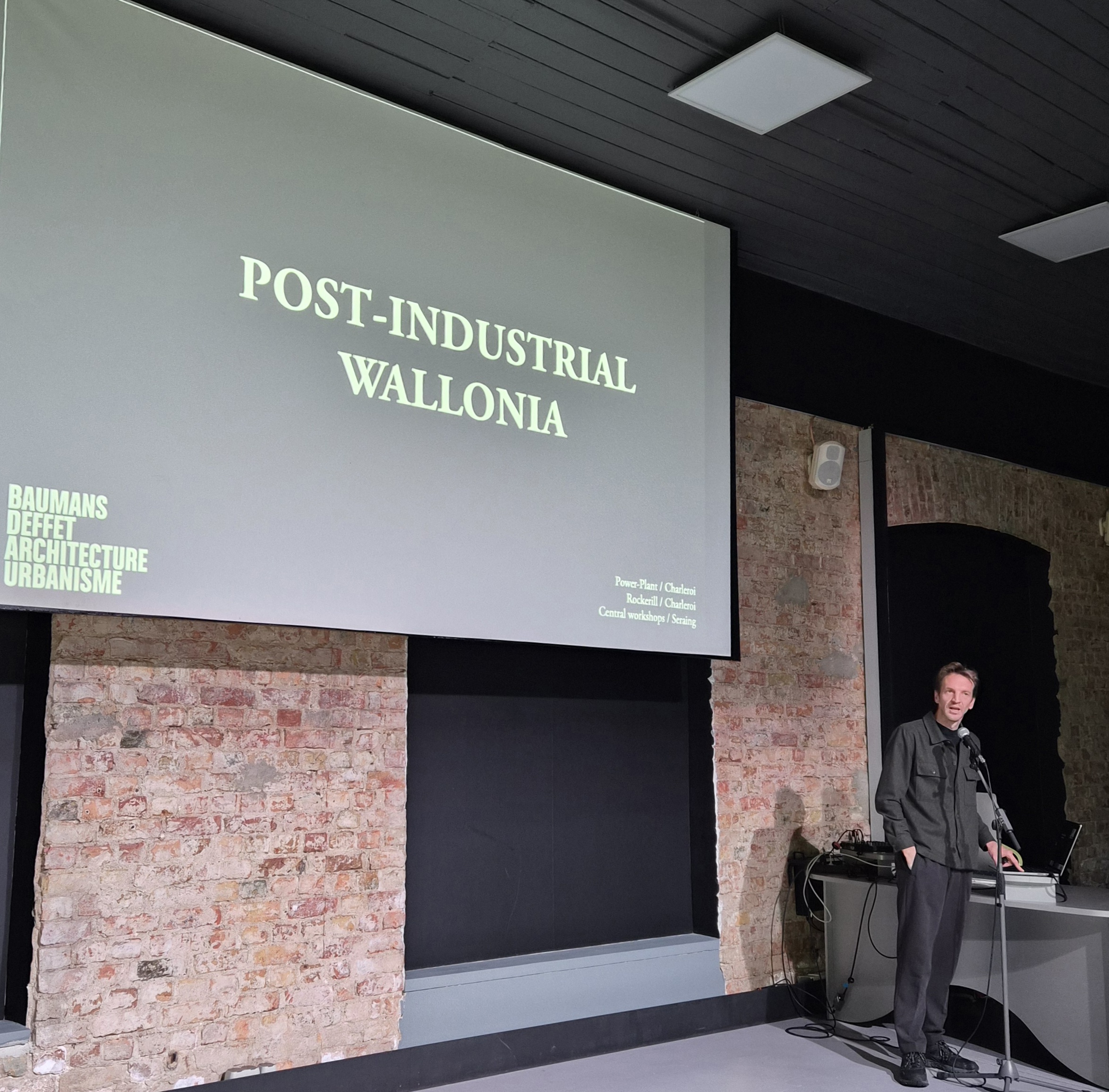
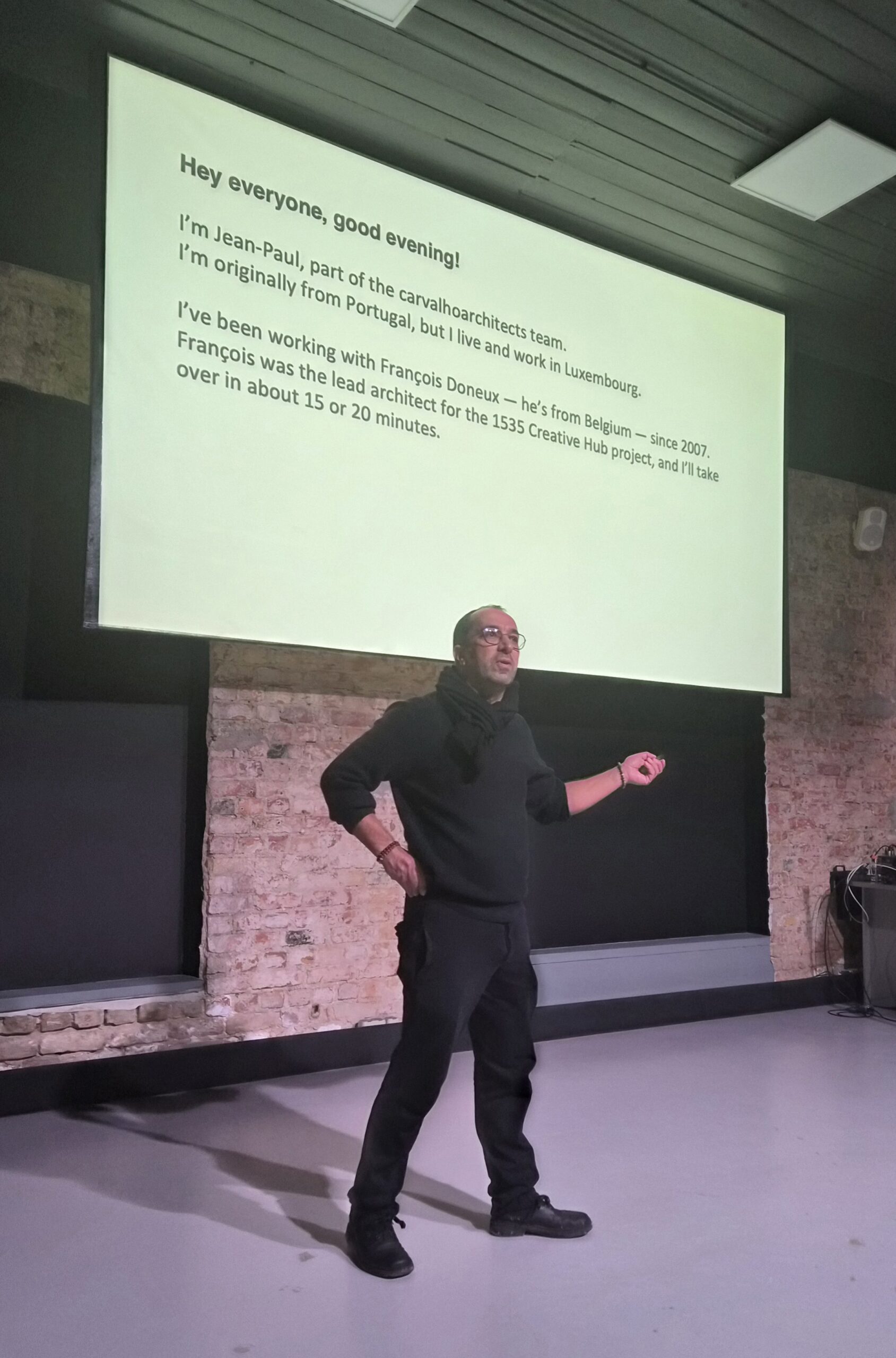
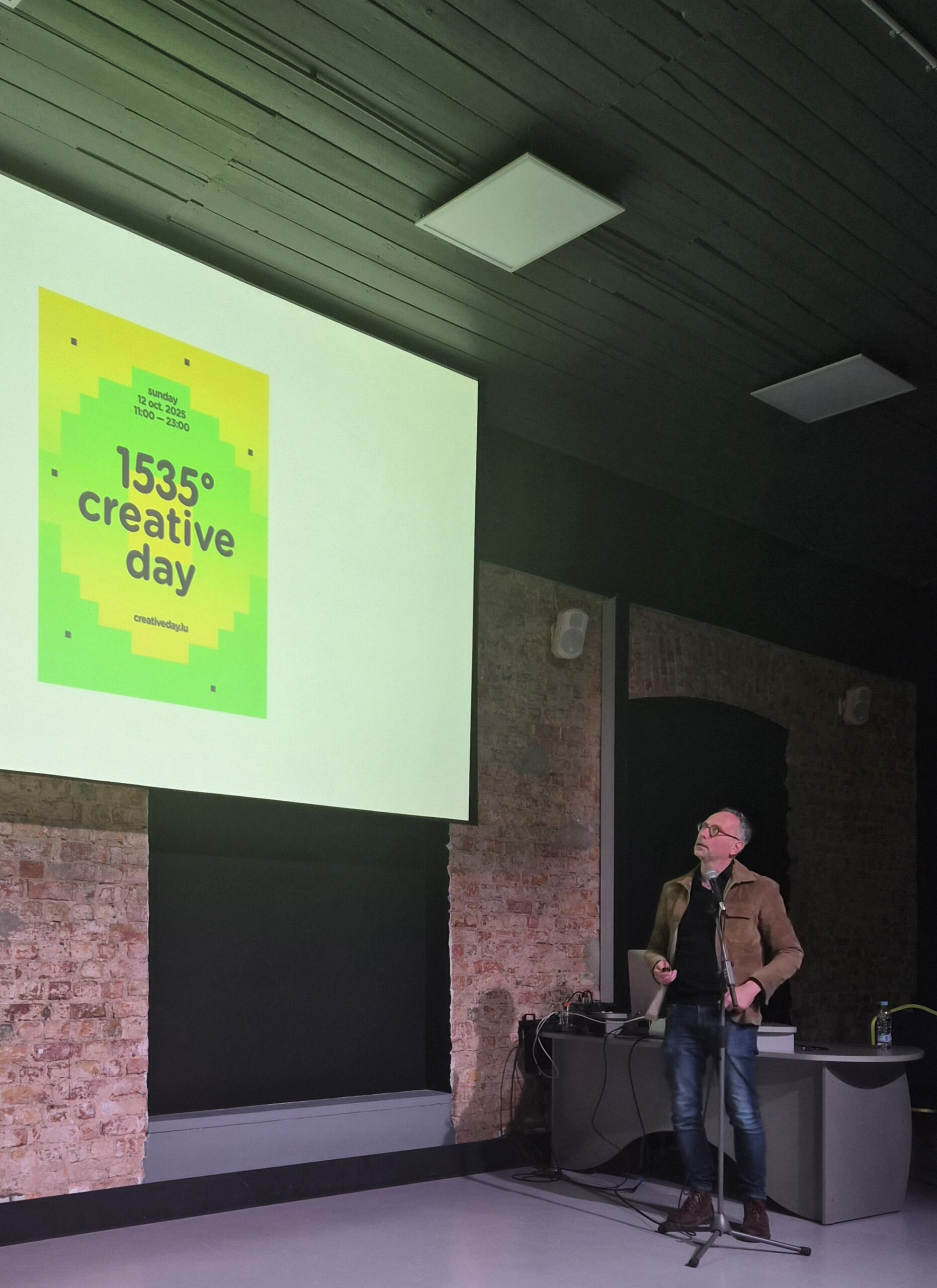
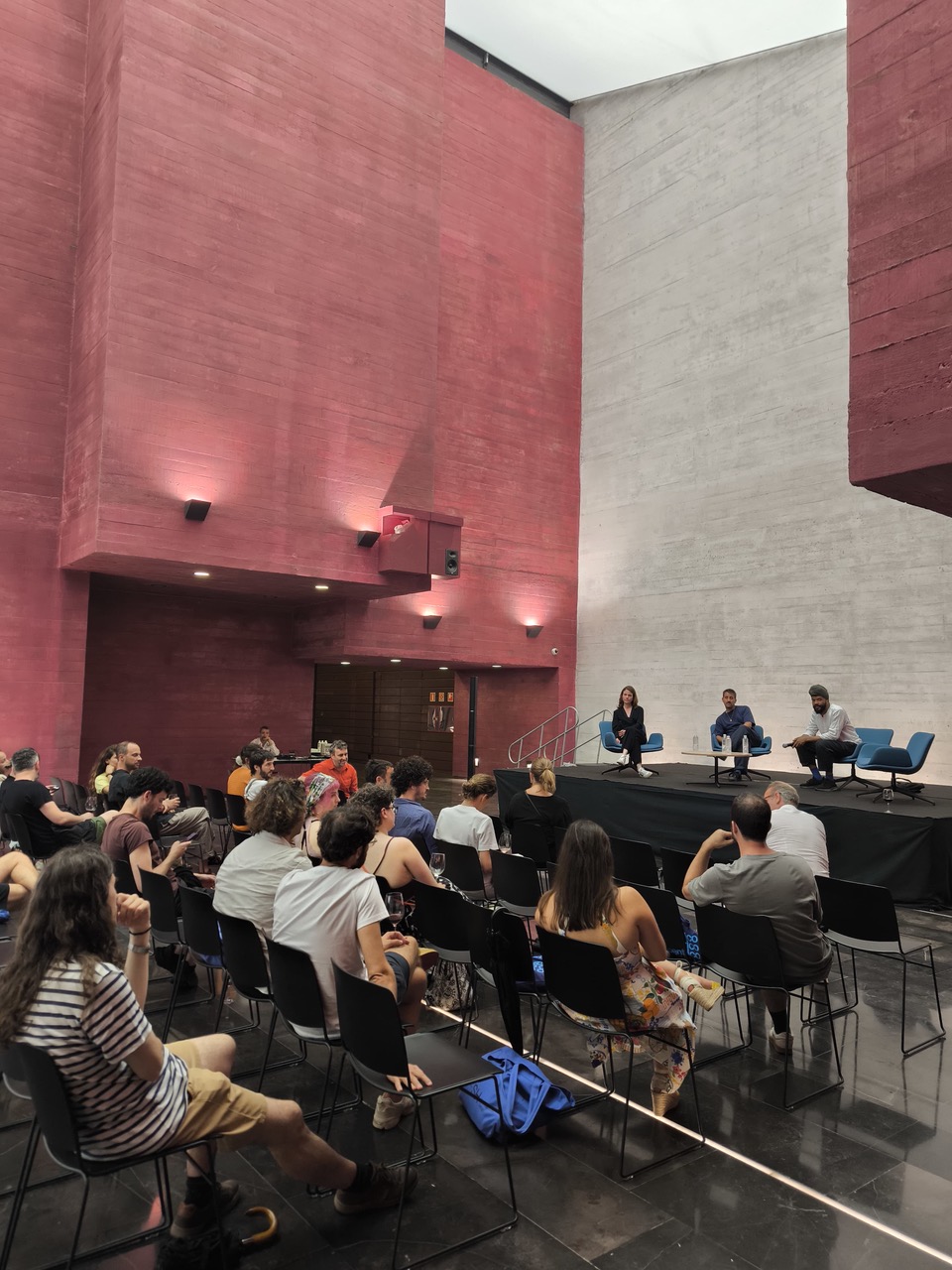
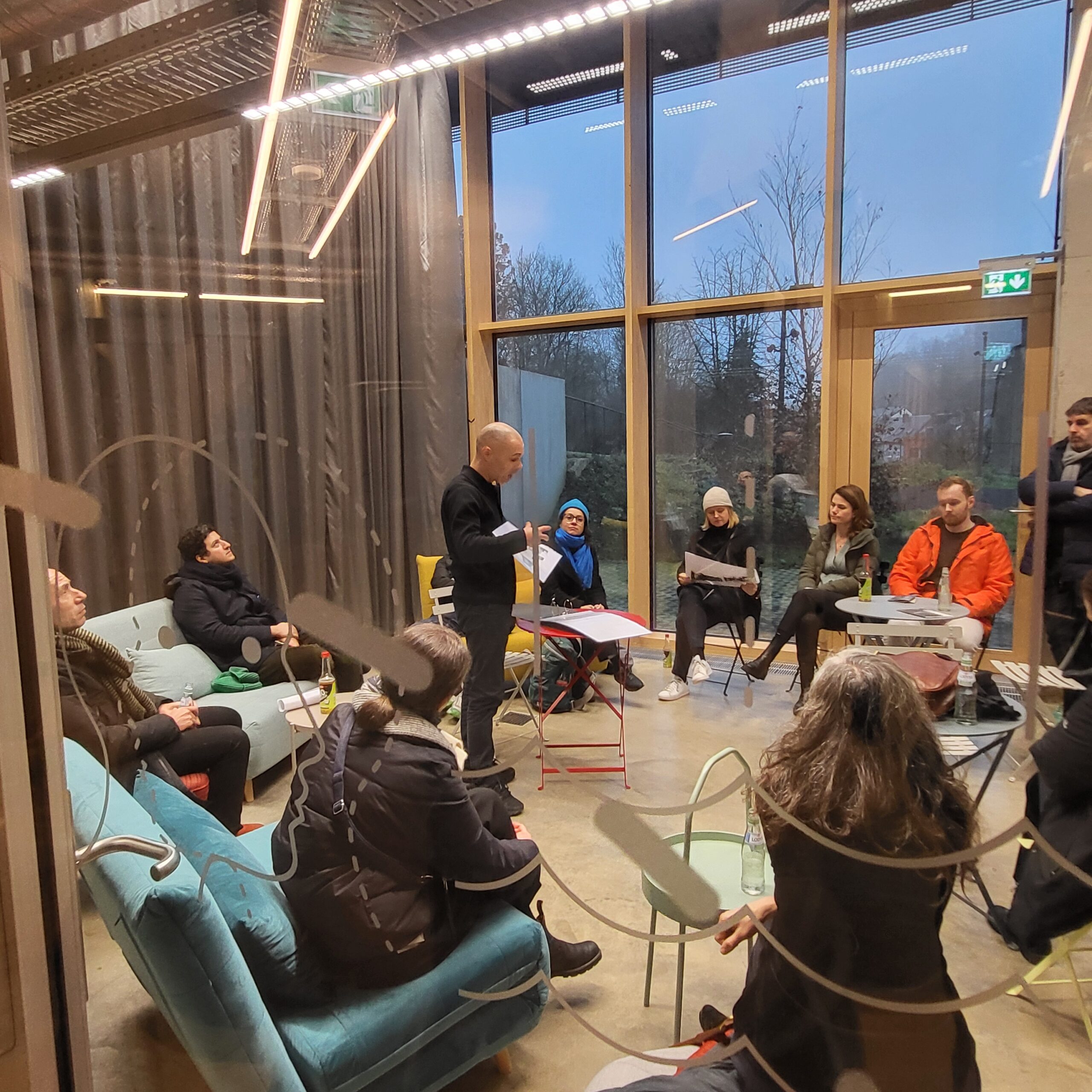
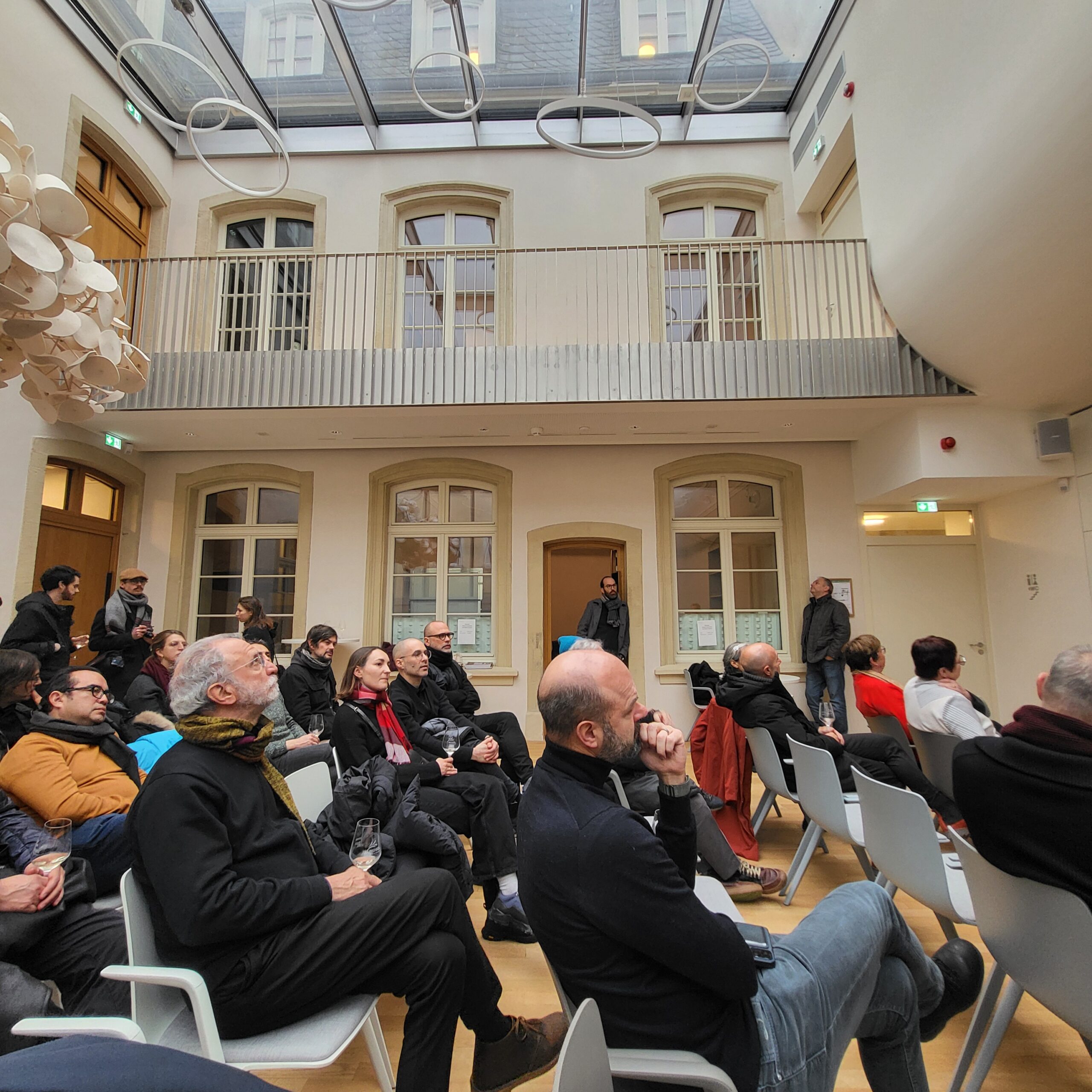
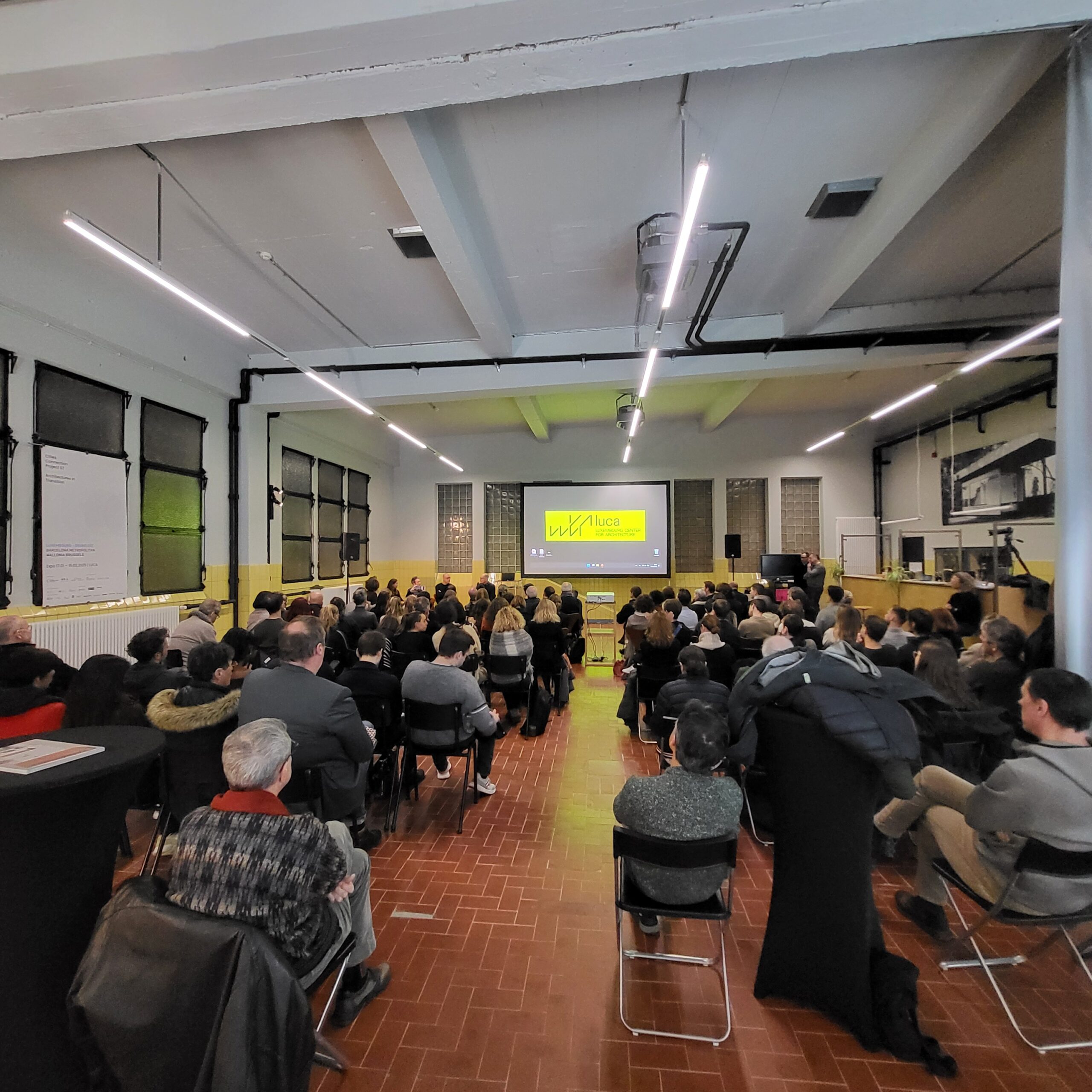
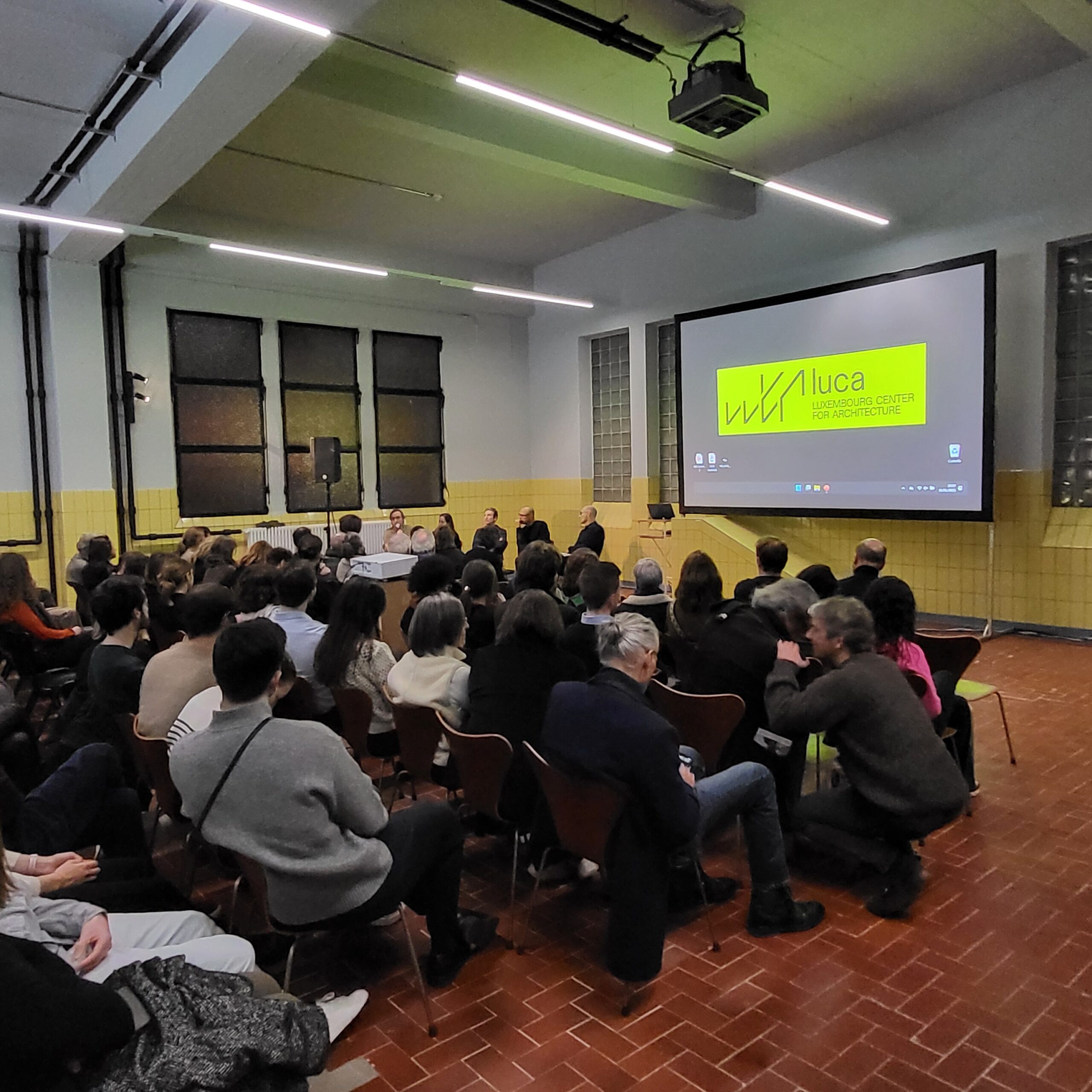
As part of the opening event on October 16 at 15.00, panel discussions will bring together architects from Switzerland, Spain, Luxembourg and Belgium to share perspectives on contemporary architectural transitions and sustainable urban development.
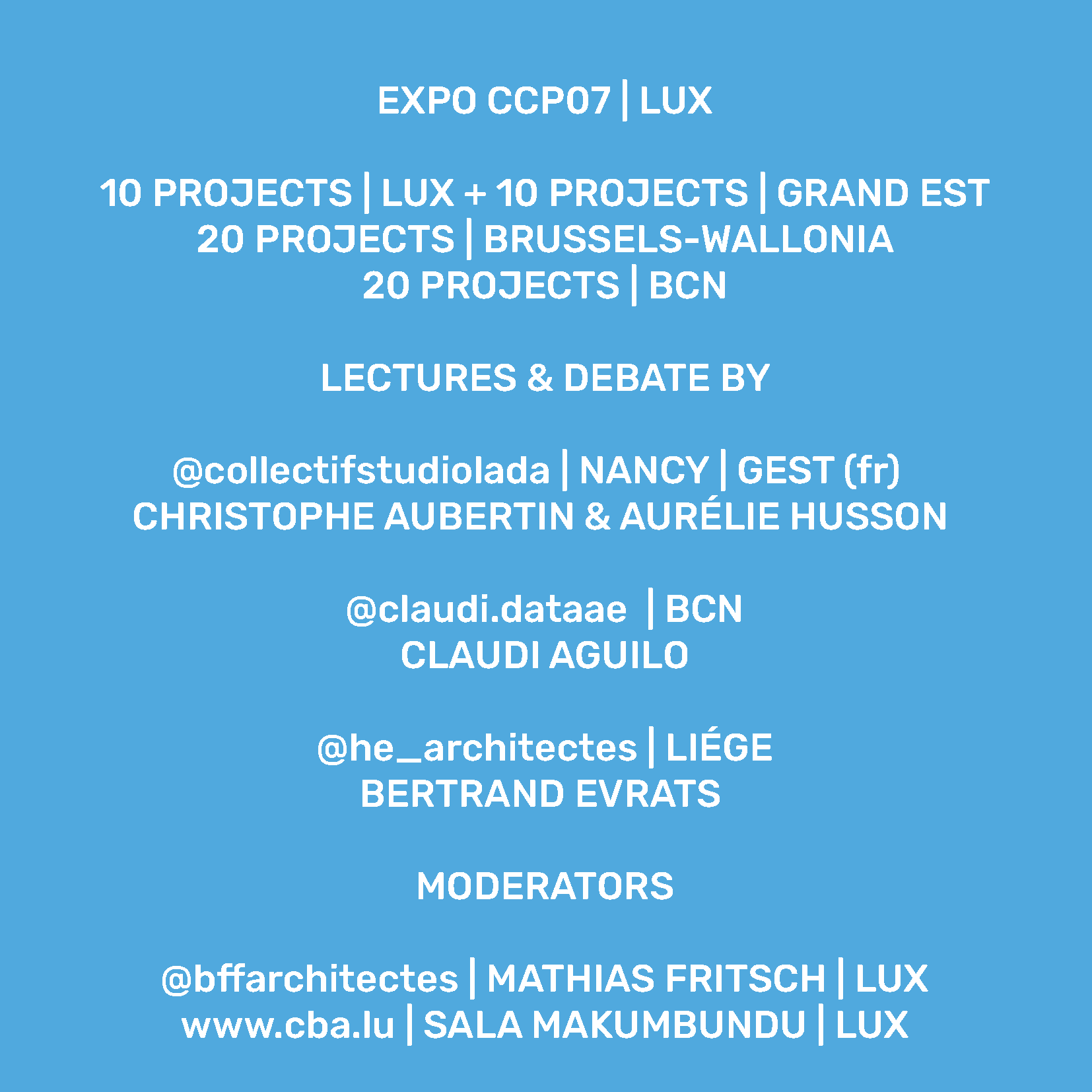
On Sunday, September 21, another panel discussion will be held, featuring Nicola Regusci (Barcelona), Philippe Nathan (Luxembourg), César Reyes Nájera (Barcelona), and Maribel Casas (Luxembourg).
NICOLA REGUSCI CCP DIRECTOR
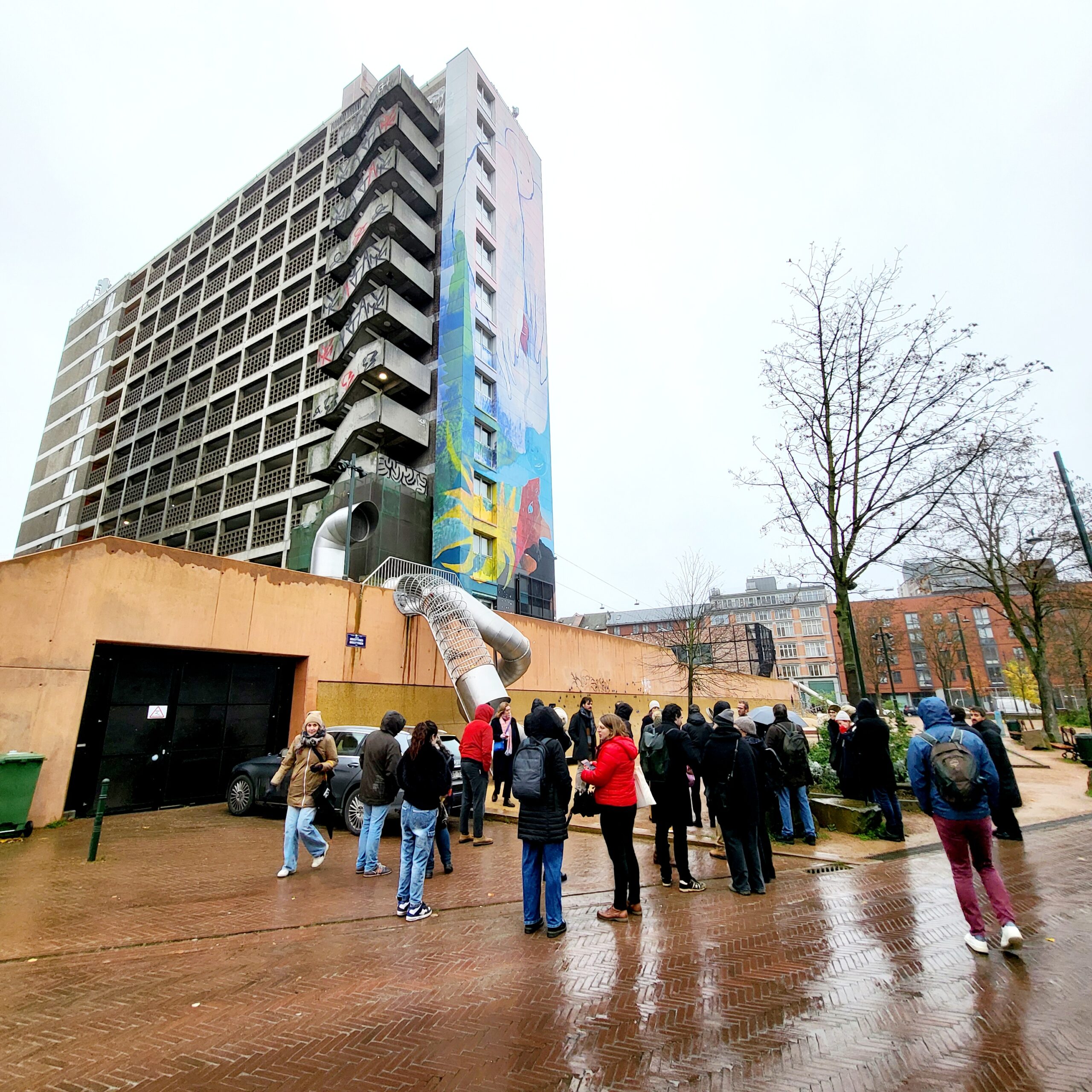
Thus, on September 20 at 1:00 p.m., the roundtable discussion “Connected Cities: Architectures in Transition” will take place, featuring Xavier Bustos, Maira González, Josep María Borrell, and Alex Gallego. This roundtable will examine the repurposing of historic buildings and its socioeconomic impacts on neighborhoods, drawing on case studies from Mexico City, Barcelona, Luxembourg, and Brussels. The discussion will explore how architecture can balance innovation, preservation, and the protection of communities in the face of gentrification pressures.
MEXTRÓPOLI 2025 Festival de Arquitectura y Ciudad VIVIENDA COLECTIVA
MEXTRÓPOLI 2025 centró su edición en la vivienda colectiva, abordando uno de los temas más urgentes de la agenda urbana contemporánea. Tras más de una década de reflexión sobre la ciudad y lo público, el Festival se consolidó como un espacio clave para debatir y replantear las formas de habitar en comunidad.
Partiendo de la vivienda como un derecho universal, esta edición puso en diálogo referentes históricos como Frankfurt y Tlatelolco con los desafíos actuales en México, destacando la necesidad de repensar la densidad, las tipologías, la flexibilidad y el uso de los recursos.
A través de conferencias, mesas de diálogo, exposiciones e intervenciones urbanas, el Festival promovió un intercambio entre arquitectos y ciudadanía, abriendo nuevas perspectivas sobre lo común, lo público y el futuro de nuestras ciudades.
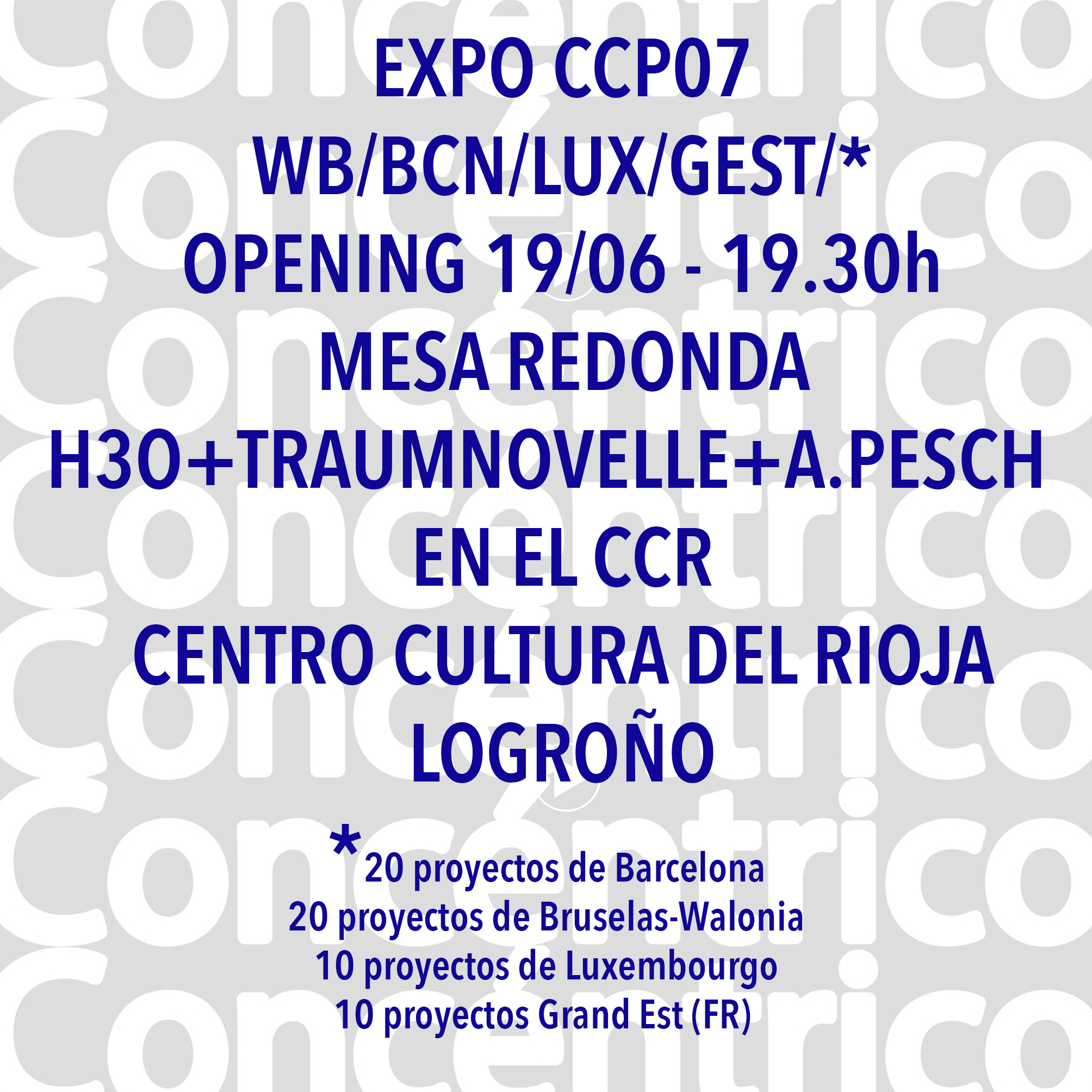
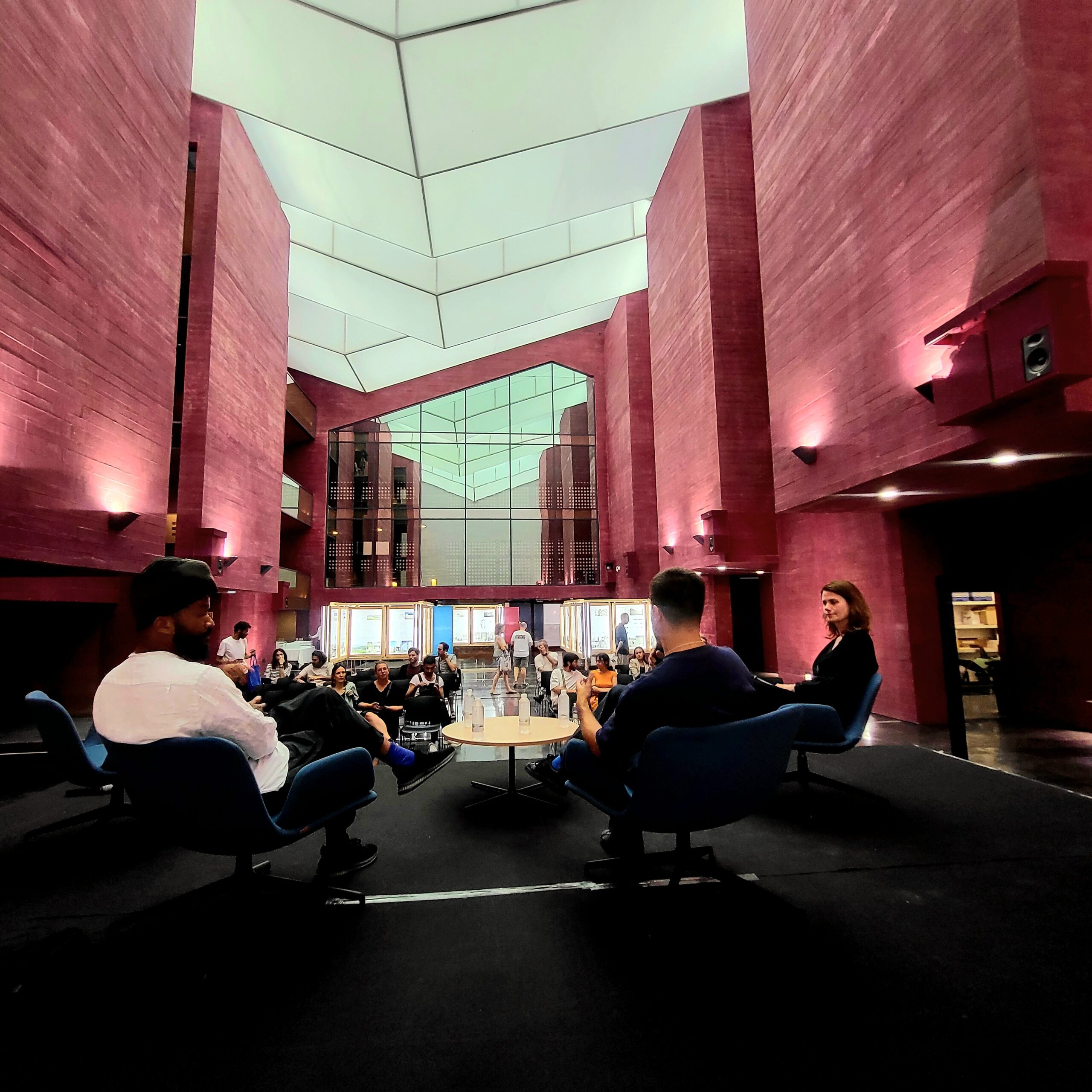
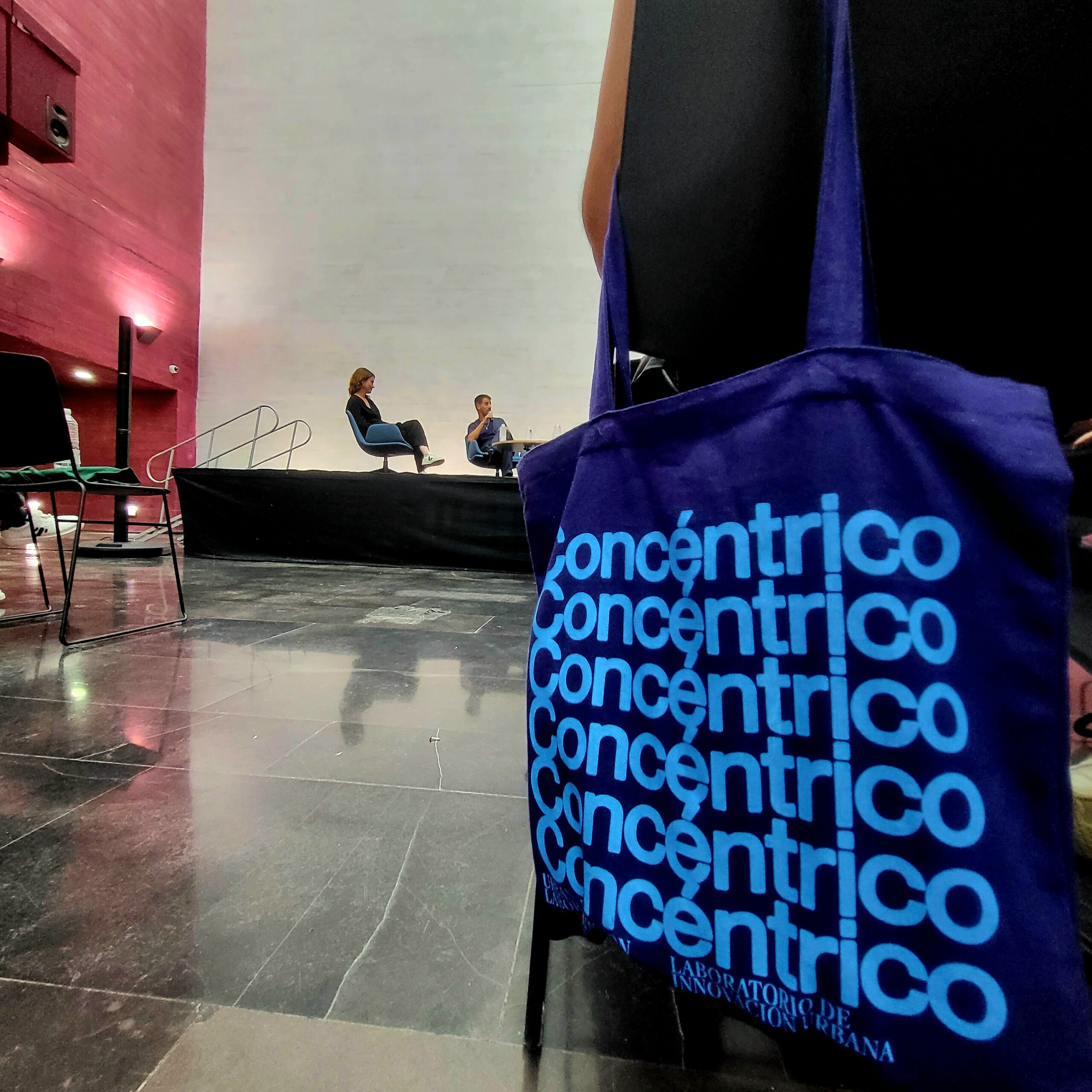
From June 19 to 24, 2025, Concéntrico will hold a special edition in Logroño to mark a decade of exploration of public space. Since its founding in 2015, the International Architecture and Design Festival has transformed the city into an urban laboratory where new ways of inhabiting the public realm can be imagined. Over the past ten years, Concéntrico has brought together hundreds of international creators, revitalizing the urban environment through design, architecture, and collective thinking.
The 2025 edition culminates a period of expansion in which Concéntrico has broadened its reach with permanent projects, international touring exhibitions, exhibitions, and educational programs. In this context, the festival reaffirms its mission to serve as a critical and open platform for reflecting on the present and future of our cities, connecting creative communities, institutions, and citizens within a single process.
For six days, Logroño is transformed into a shared space for research, celebration, and action. Ephemeral interventions, immersive installations, collective workshops, gatherings, and urban tours spark new ways of interpreting space, raising questions about the social, ecological, and cultural challenges of the built environment.
The Concéntrico 2025 program is structured around four major curatorial themes that address essential dimensions of contemporary living:
Food, as a relational, cultural, and spatial practice. The proposals in this theme explore the act of eating as a shared experience that fosters connections, narratives, and forms of collective organization. From community gardens to performative dinners and open kitchens, food becomes a tool for rethinking the public sphere.
Climate, as a global emergency and an opportunity for transformation. The interventions address adaptation to climate change through material, ecological, and symbolic solutions: solar architecture, shaded spaces, resource recycling, and traditional building techniques that propose a more balanced coexistence with the environment.
Water, as landscape, memory, and matter. This theme revitalizes relationships with the city’s riverbanks, springs, and waterways, proposing new ways of using, contemplating, and caring for them. Urban baths, water collection systems, and collective rituals highlight water as a shared resource and a common good.
Social processes and rituals as catalysts for collective space. Through everyday gestures, participatory actions, and shared celebrations, these proposals highlight the emotional and political dimensions of the urban environment. The communal, the festive, the intimate, and the political intertwine in interventions that shape the city through bodies, emotions, and the imagination.
Concéntrico 2025 brings together studios and creators from diverse regions and disciplines, whose projects are unfolding in plazas, roundabouts, vacant lots, streets, and along the banks of the Ebro River. Participants: Leopold Banchini Architects, MVRDV, Zyva studio, SalazarSequeroMedina, Sam Chermayeff Office, Studio ACTE, Andreia Garcia + Diogo Aguiar, Bayona studio, Traumnovelle, Lemonot + O-SH, Erazo Pugliese, BairBalliet, Nami ñami Studio, Soft Baroque, Sahra Hersi, h3o architects, Emil Ivănescu + Simina Filat, IC-98 & Suomi-Koivisto, Raghad Al-Ahmad, Chris Kabel, and Colectivo 2001.
Joining them are the winners of the international calls for proposals organized by the festival: Studio An-An, Abad, Borneo, and JMBAD (Joseph Melka and Balthazar Auguste-Dormeuil), selected for their proposals capable of revitalizing public space through experimental, participatory, and sustainable approaches.
“Concentric” thus offers a journey through a city in transformation, where design becomes a tool for imagining possible futures, experimenting with ways of living together, and celebrating ten years of collective thinking about public space
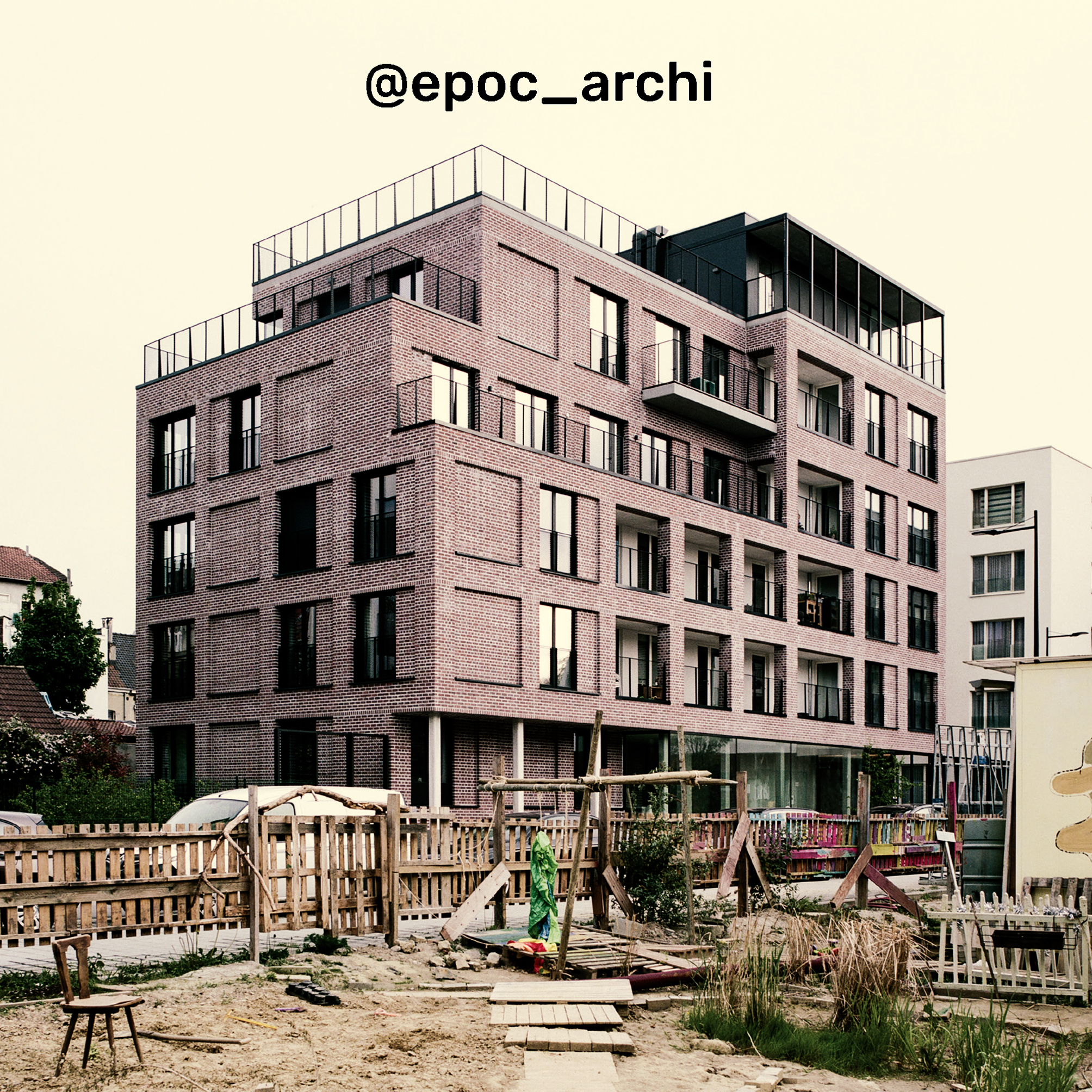
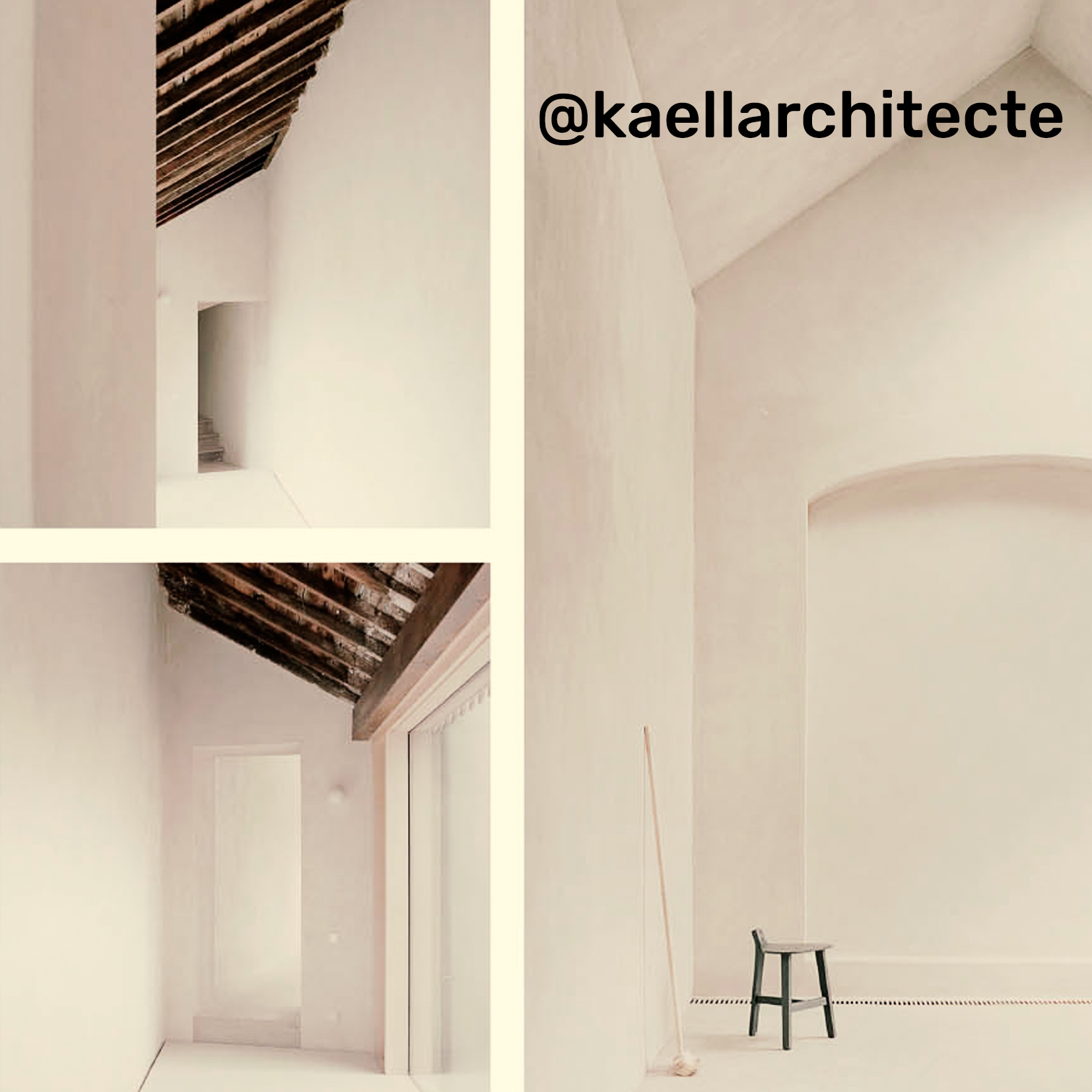
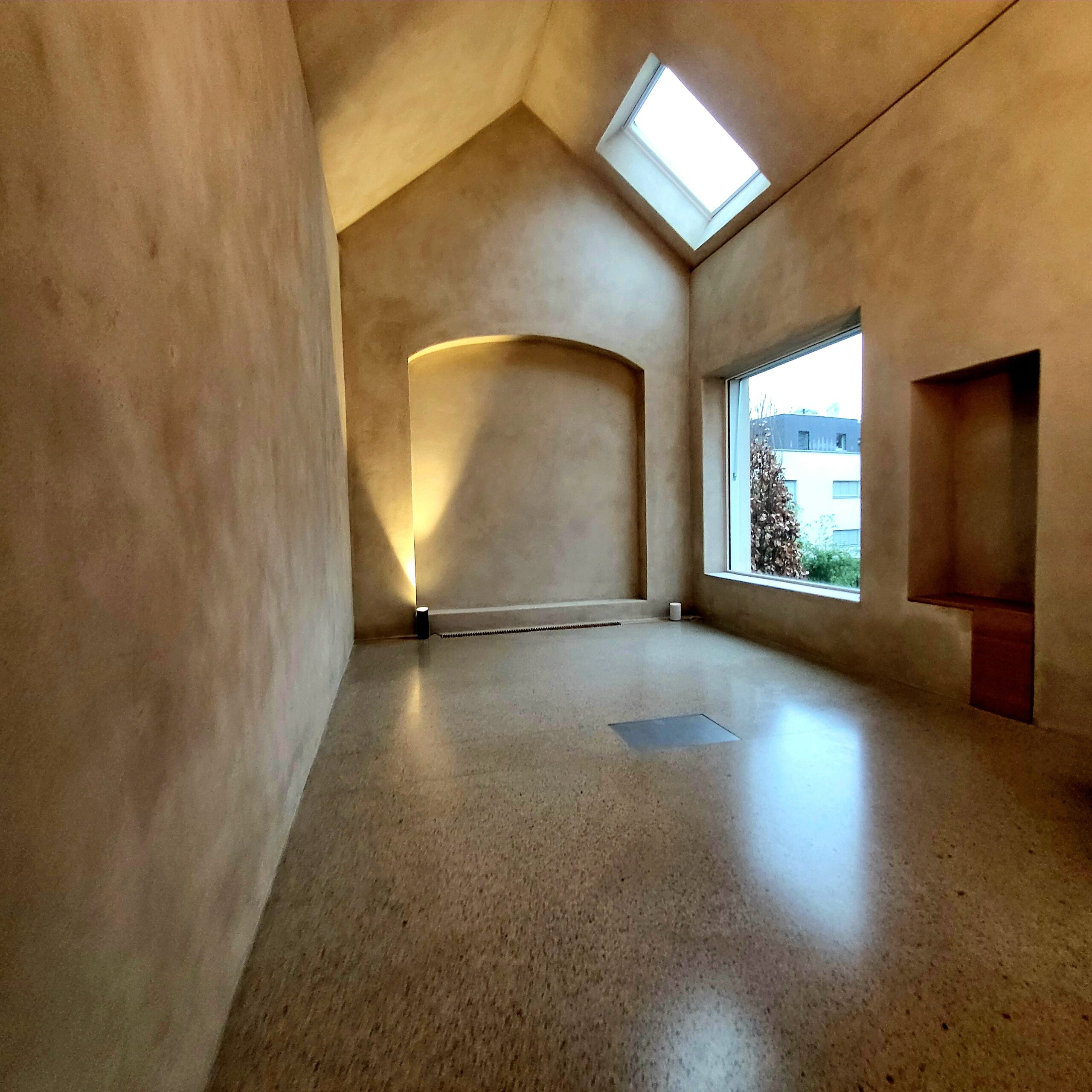
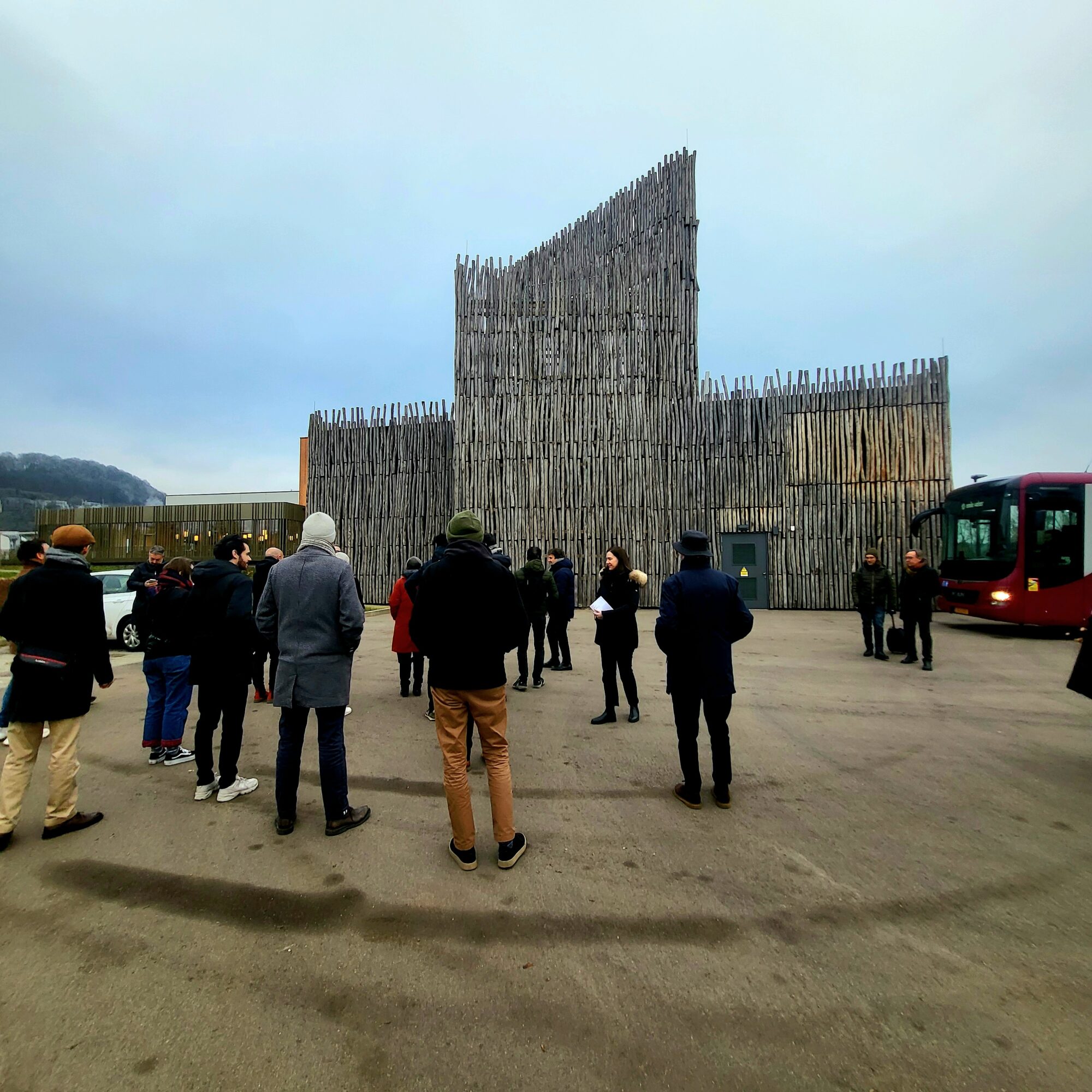
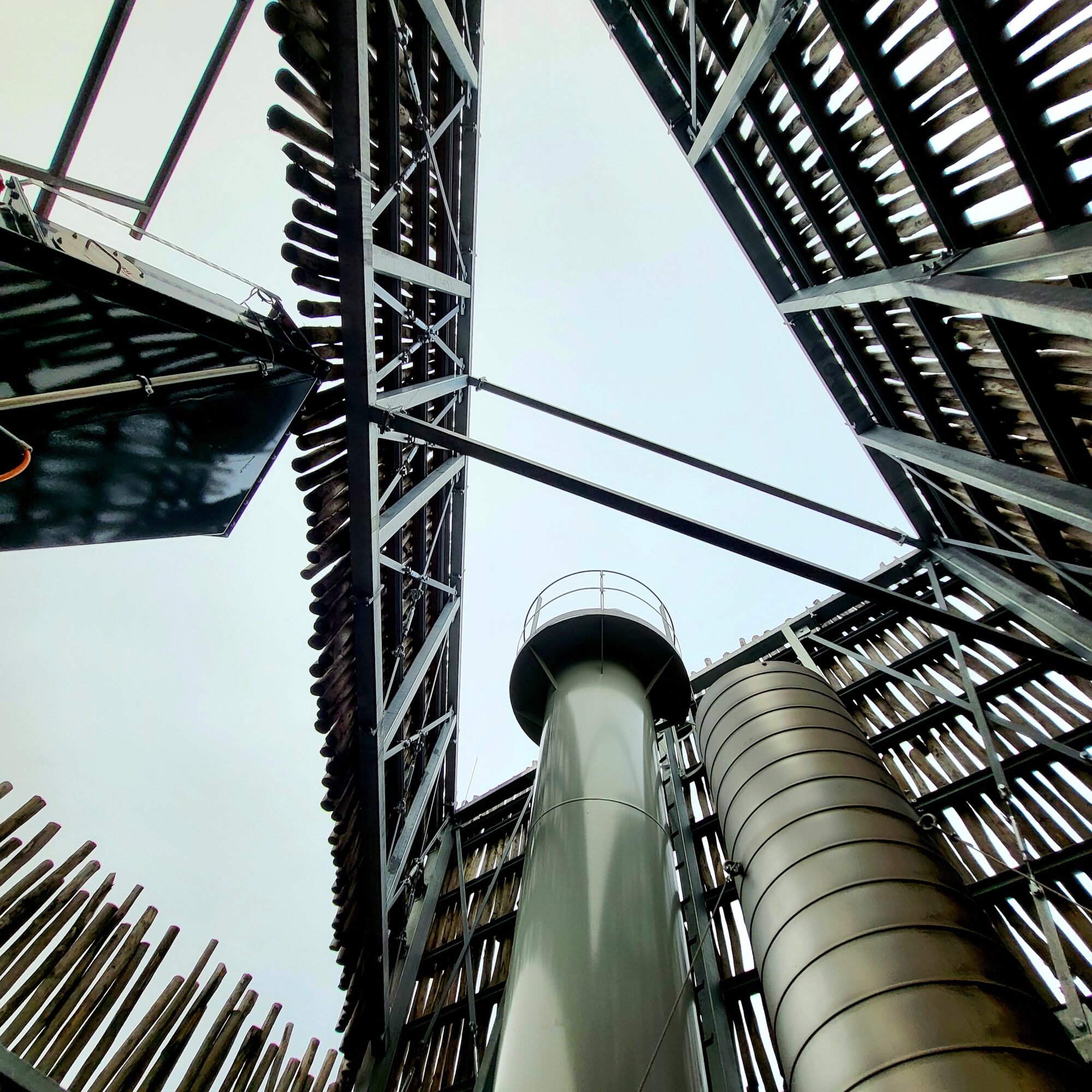
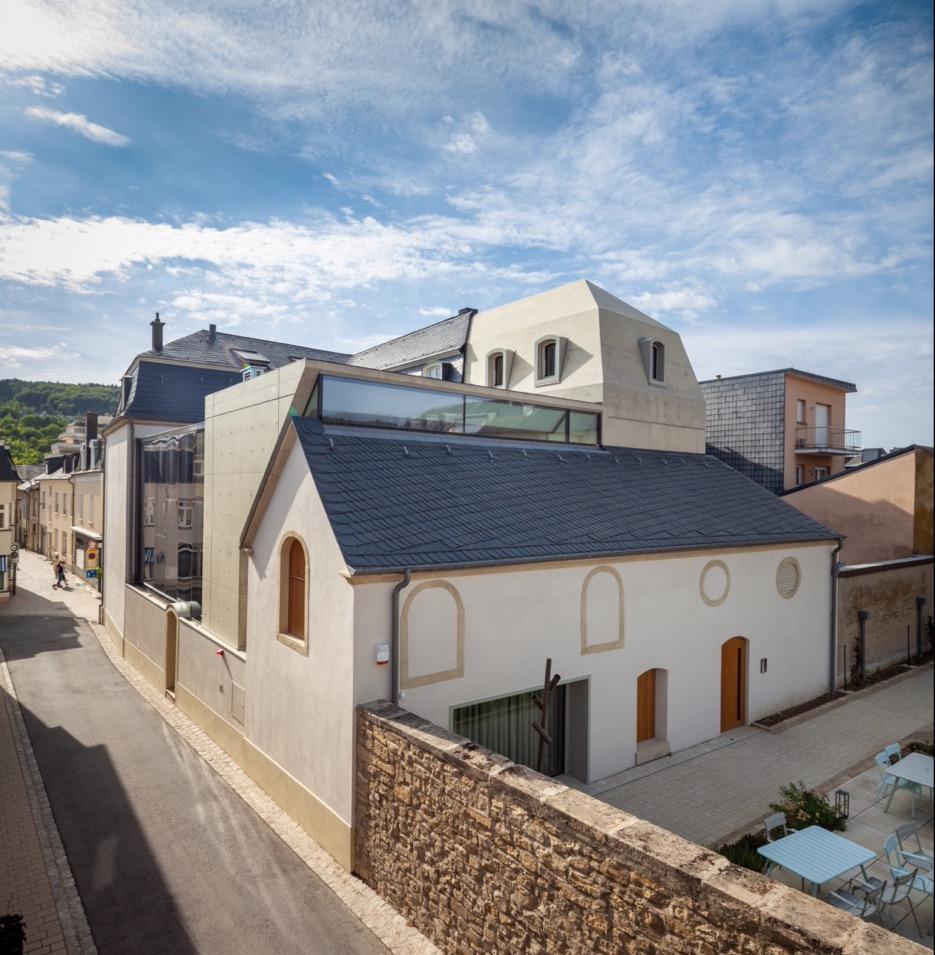
This edition of CCP07 showcases a series of architectural projects in transformation, primarily publicly funded and of high quality, that promote the reuse of existing spaces, the intelligent use of construction systems and durable materials, more energy-efficient buildings, as well as mixed-use developments that foster the clustering of activities and interaction among users. In short, these are projects that demonstrate a transition toward a more ethical architecture with a lower environmental impact—a long process fraught with obstacles, but one that is, after all, irreversible.
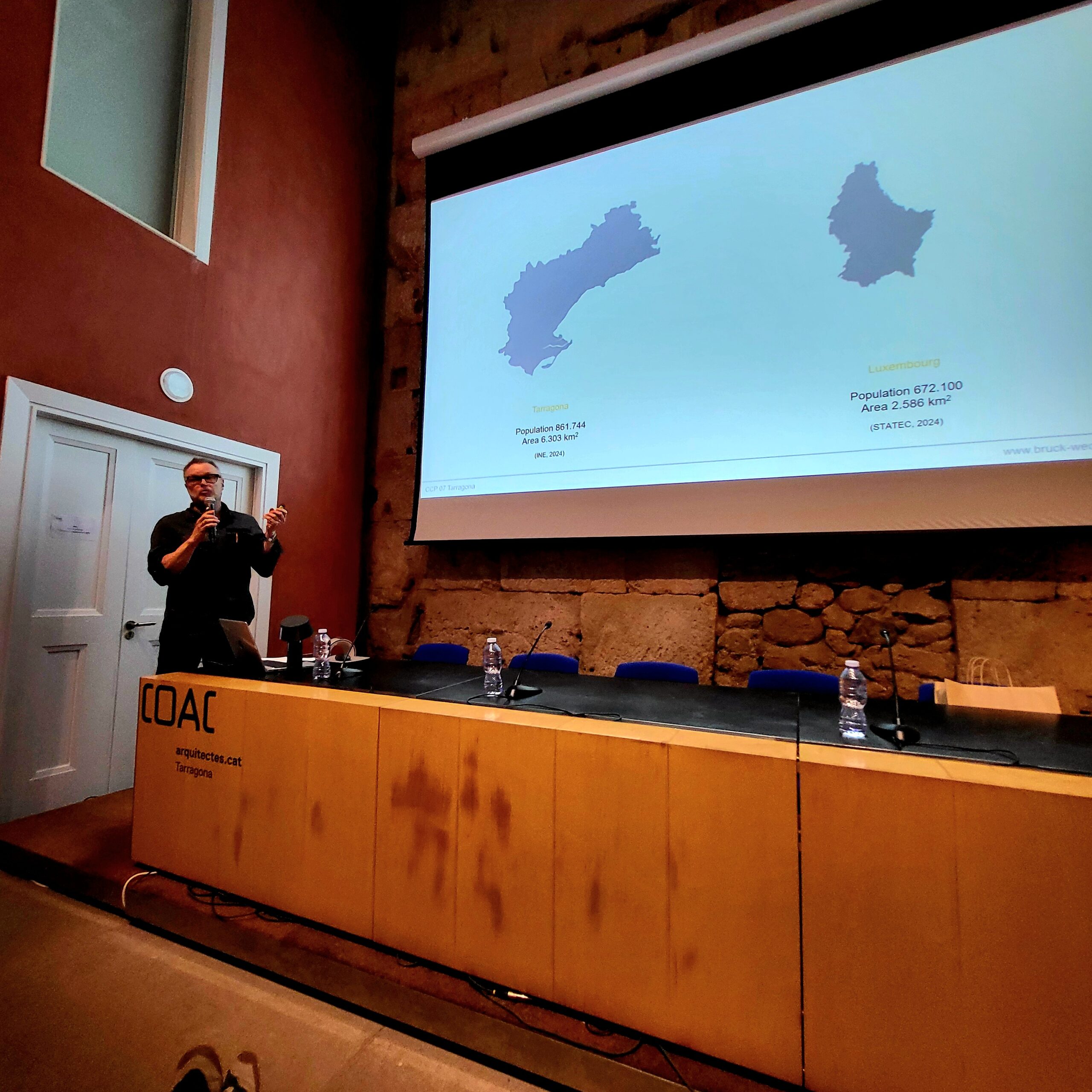
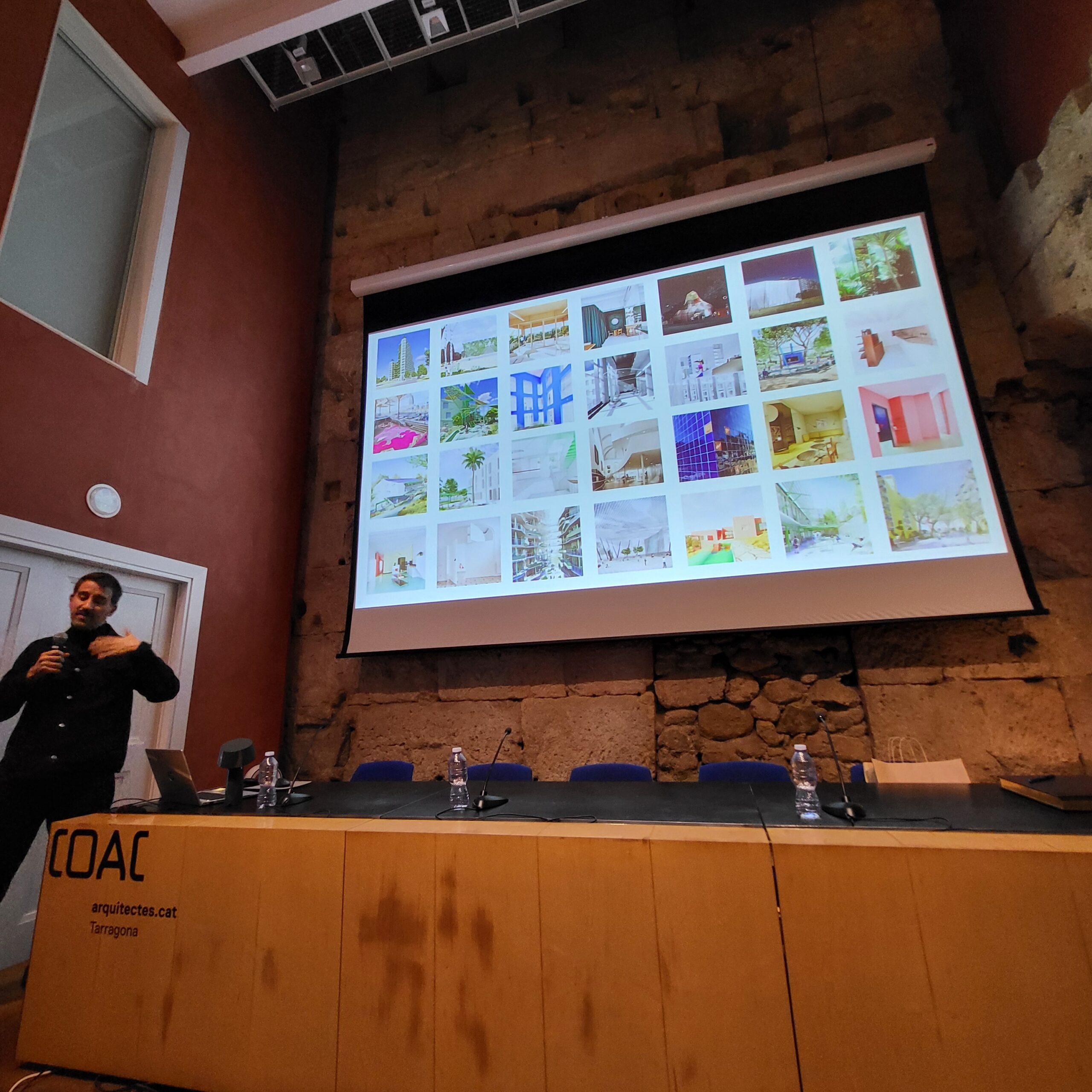
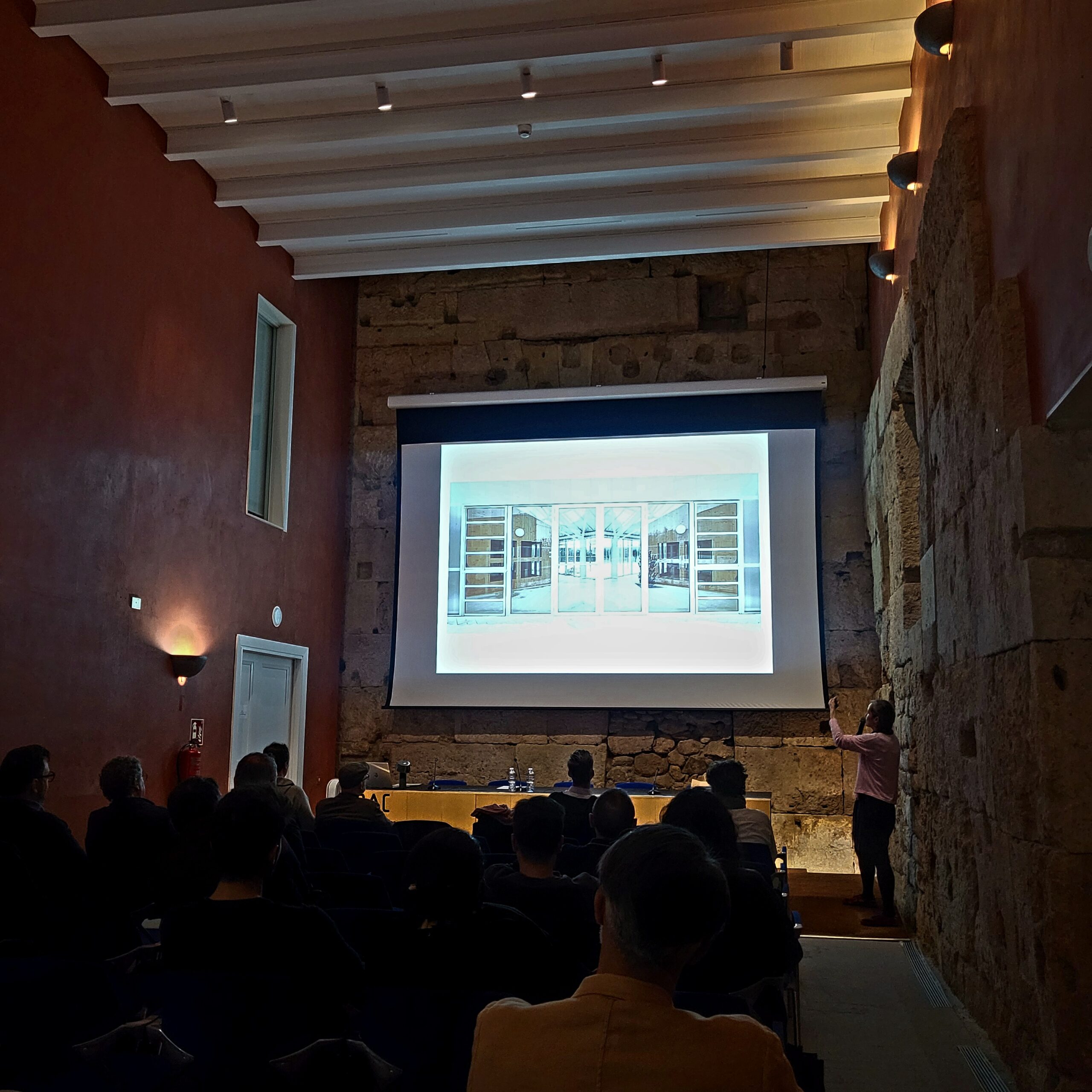
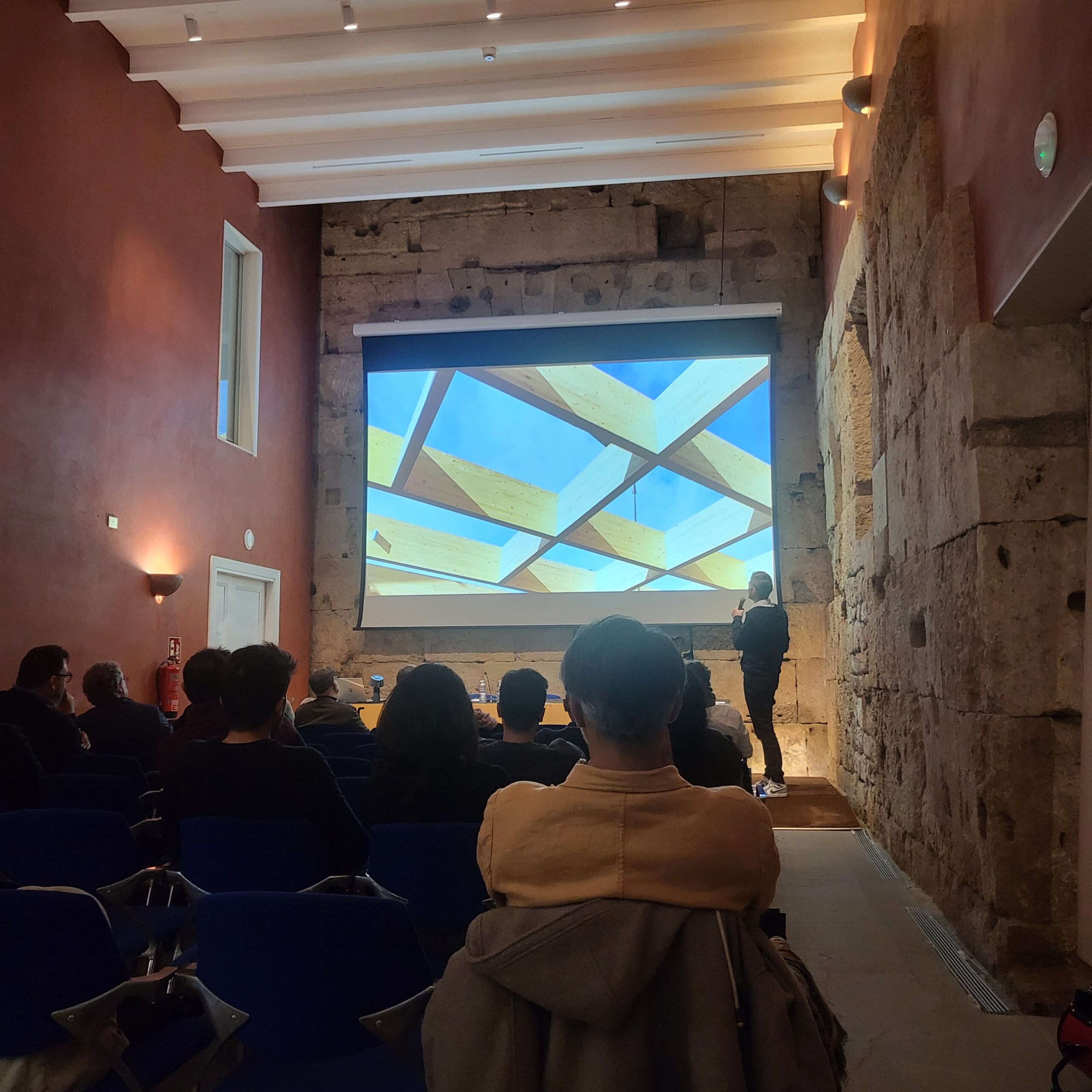
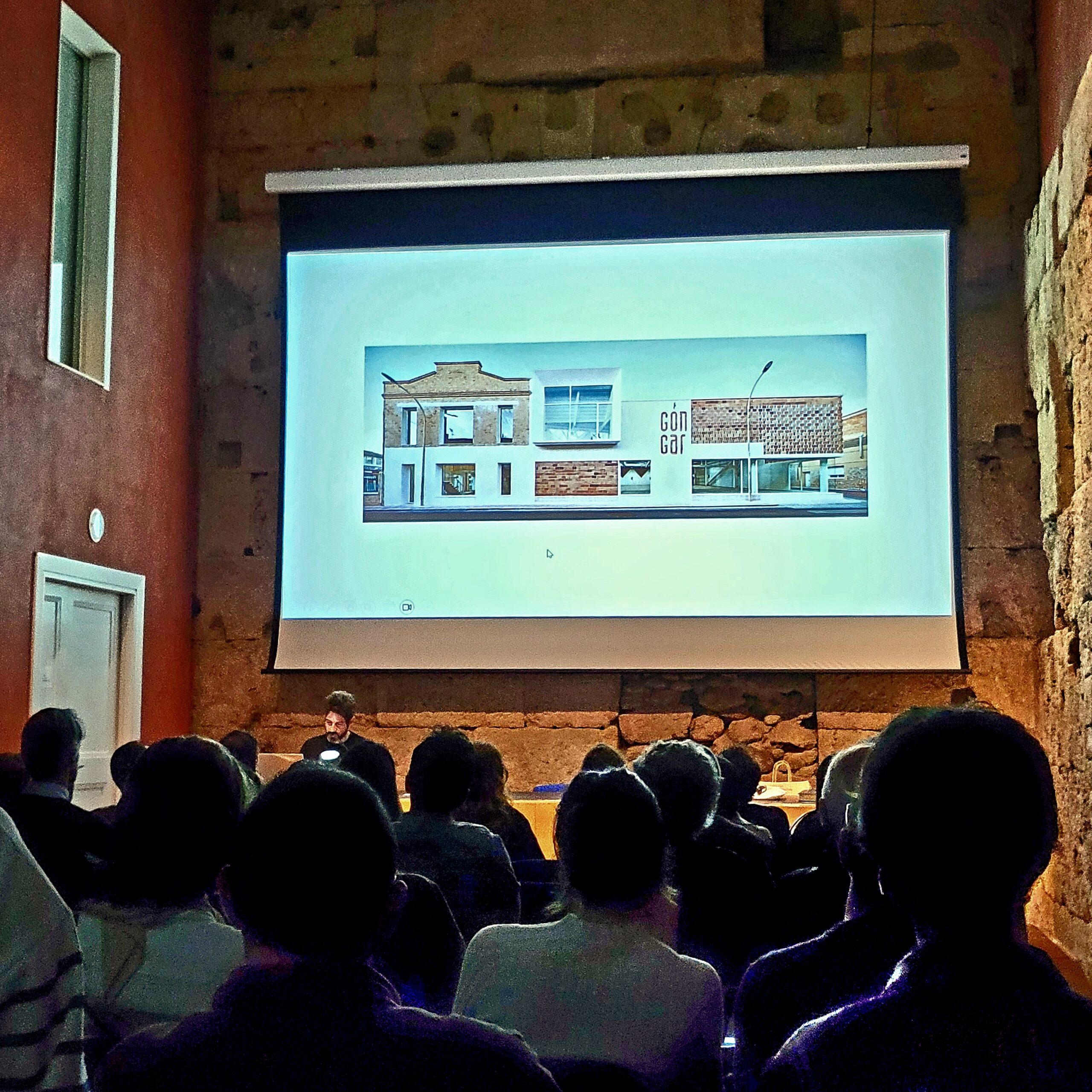
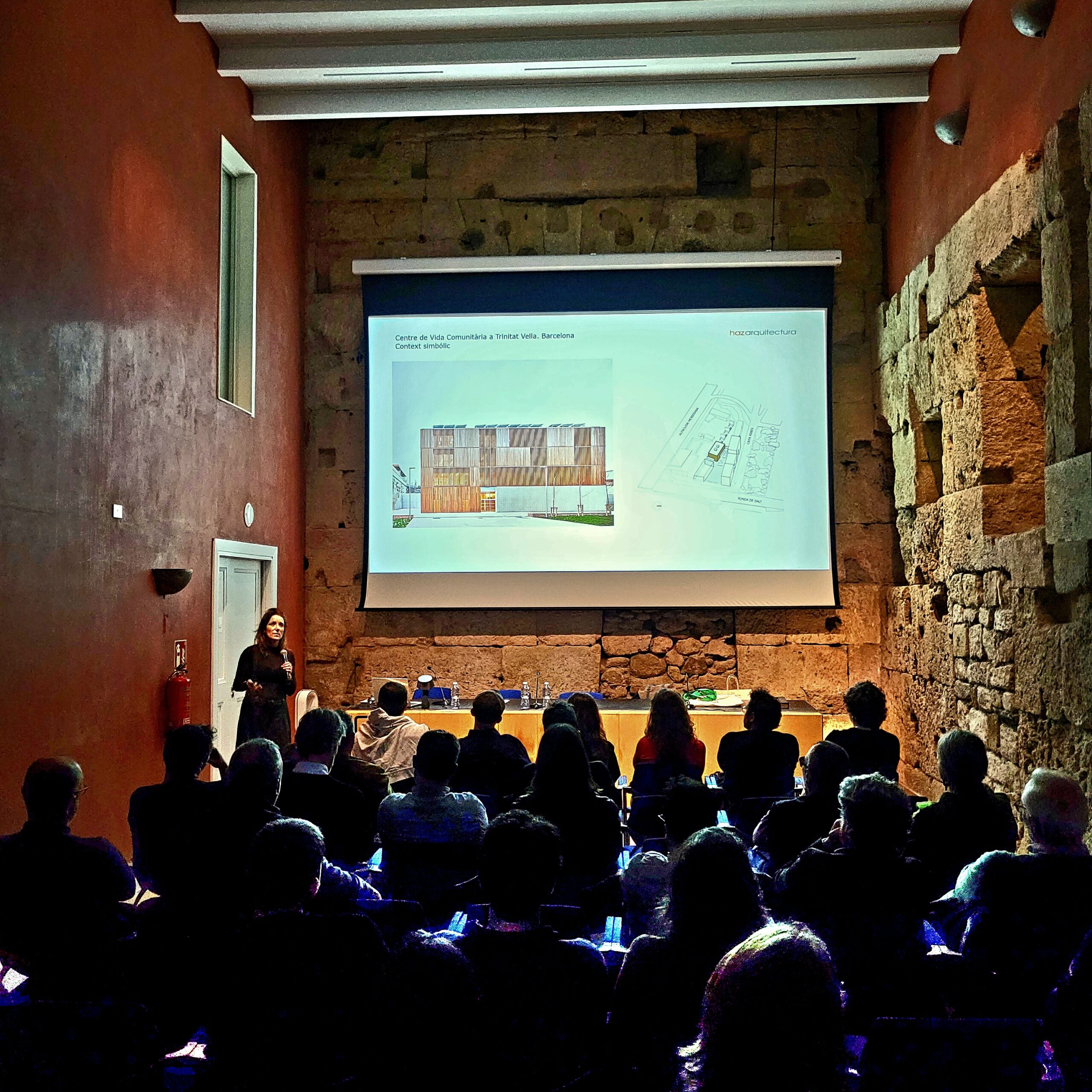
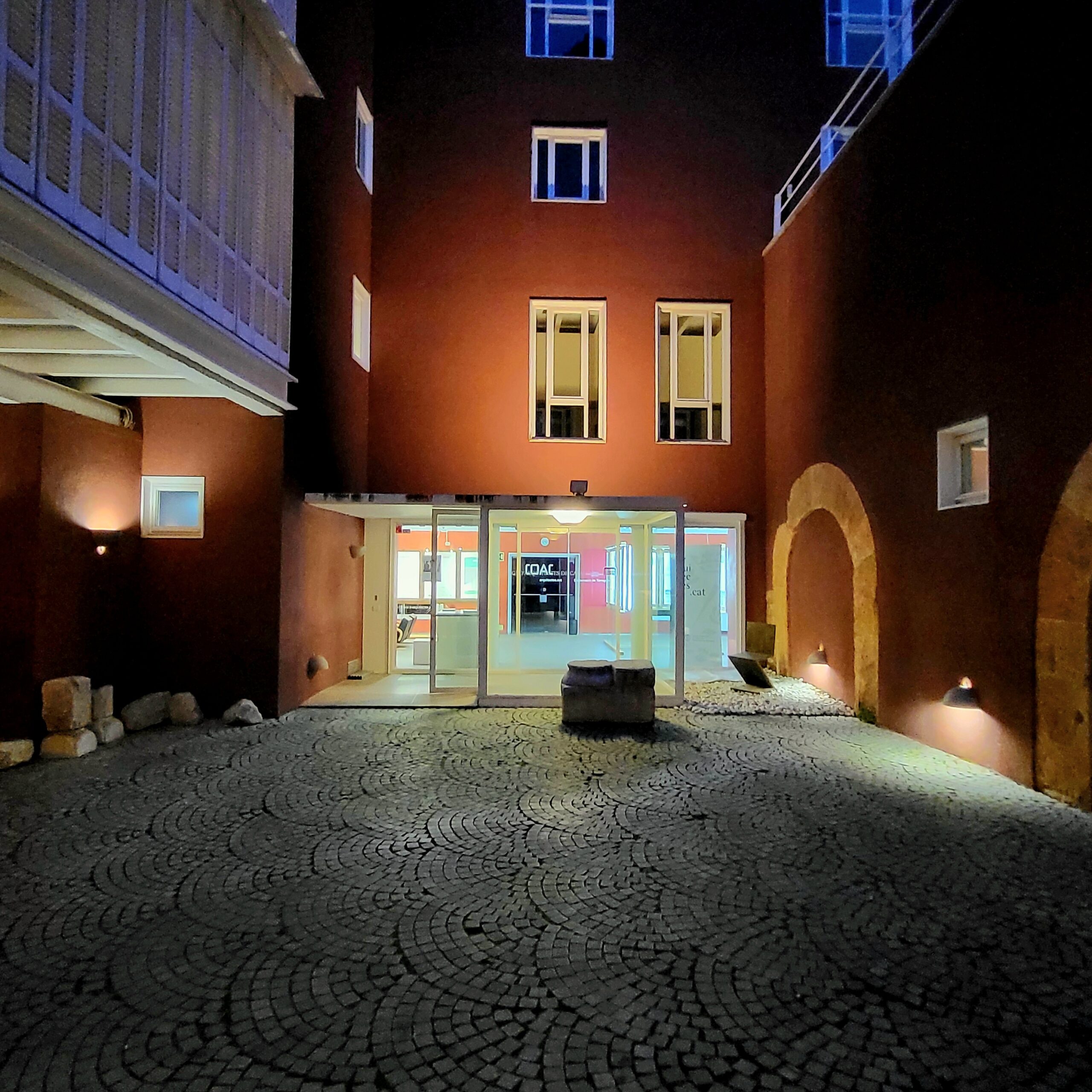
The exhibition will be on view from February 20 to April 11 at the COAC Tarragona exhibition hall. As part of the “Cities Connection Project · Architectures in Transition” program, we will have the opportunity to attend three lectures:
February 20 · 7:30 p.m. | h3o architects + Thomas Weckerle March 13 · 7:30 p.m. | Maira arquitectes + Ballast architectes April 10 · 7:30 p.m. | NUA arquitectures + HAZ arquitectura
CCP07 | TARRAGONA COACCOAC HEADQUARTERS BY RAFAEL MONEO
February 20 · 7:30 p.m. | h3o architects + Thomas Weckerle
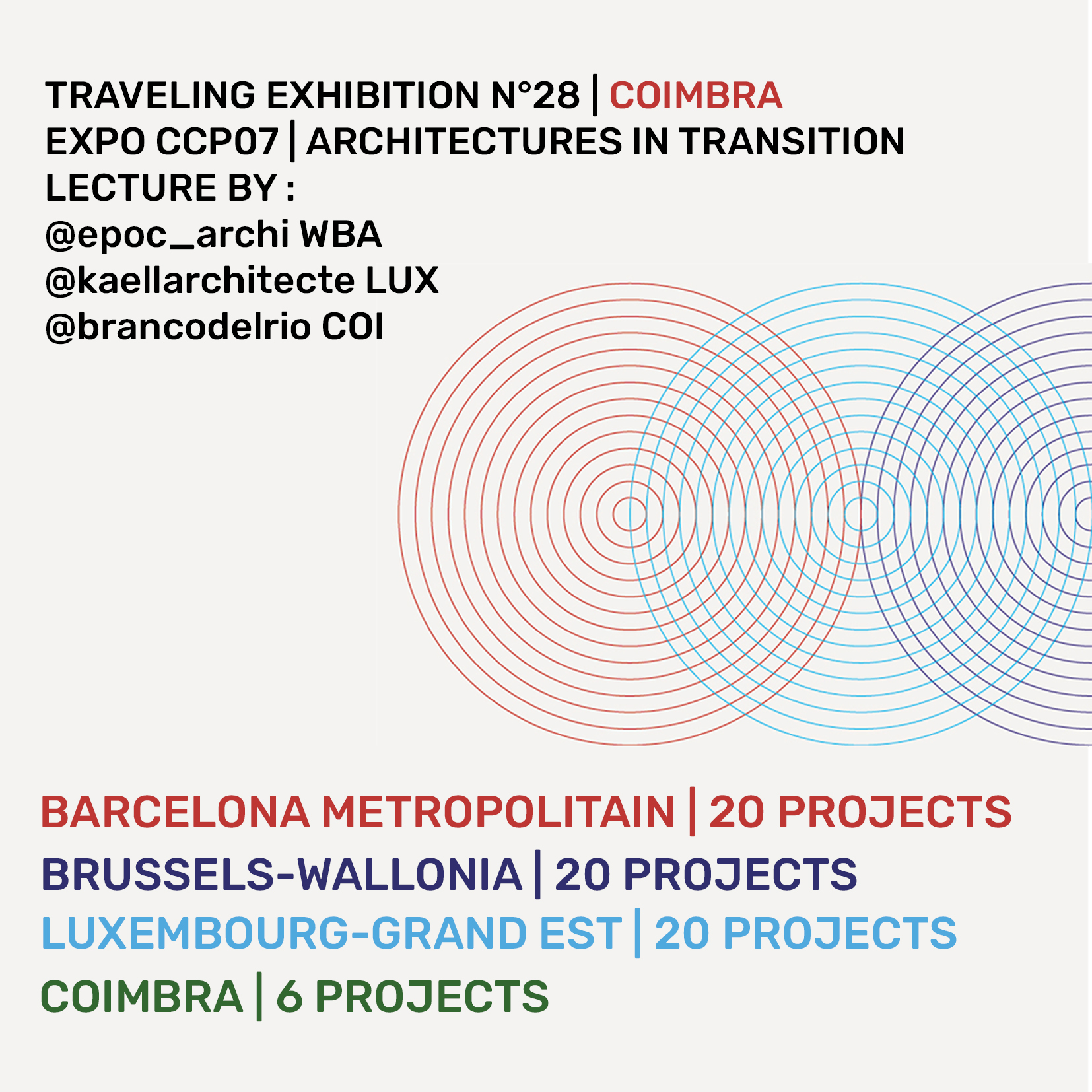
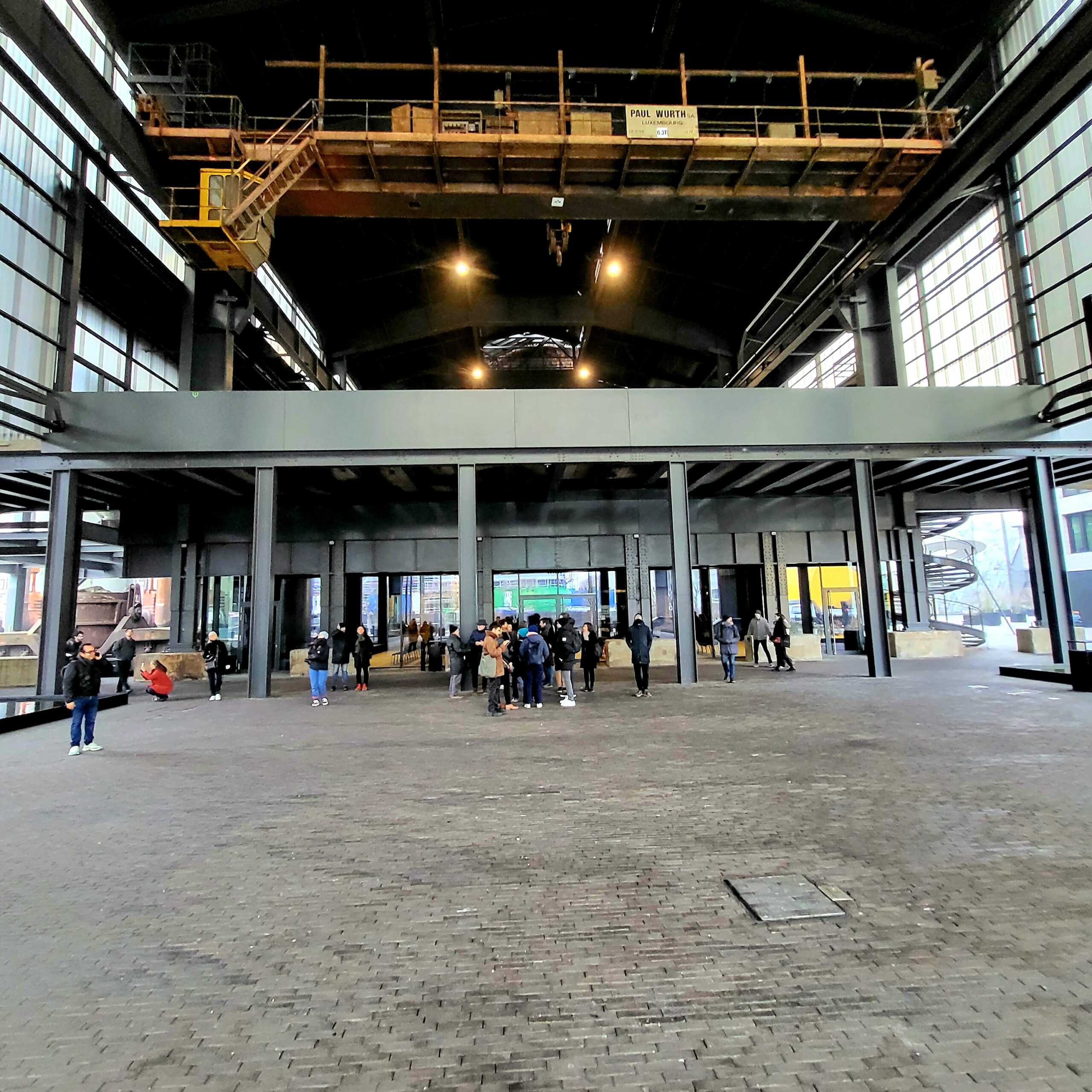
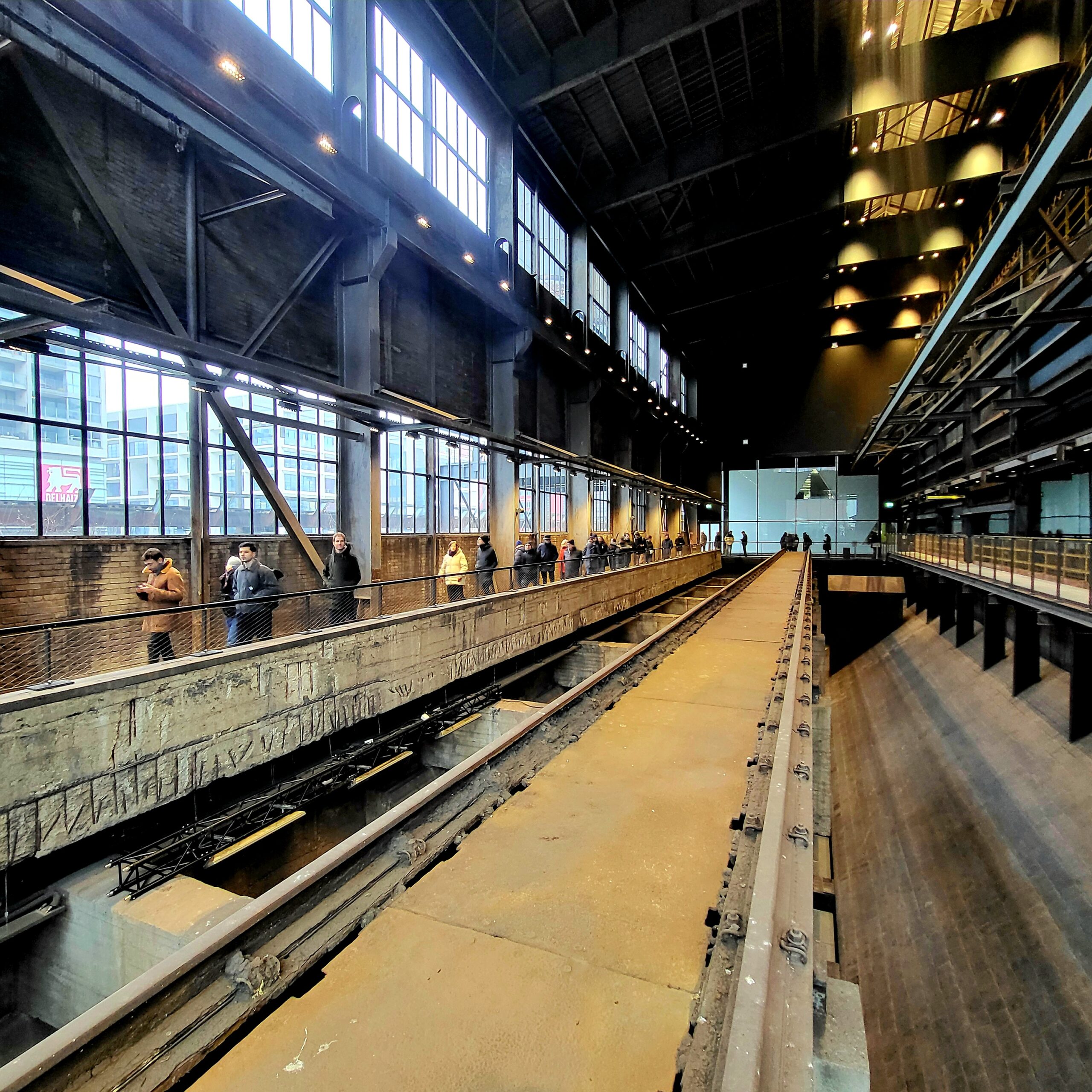
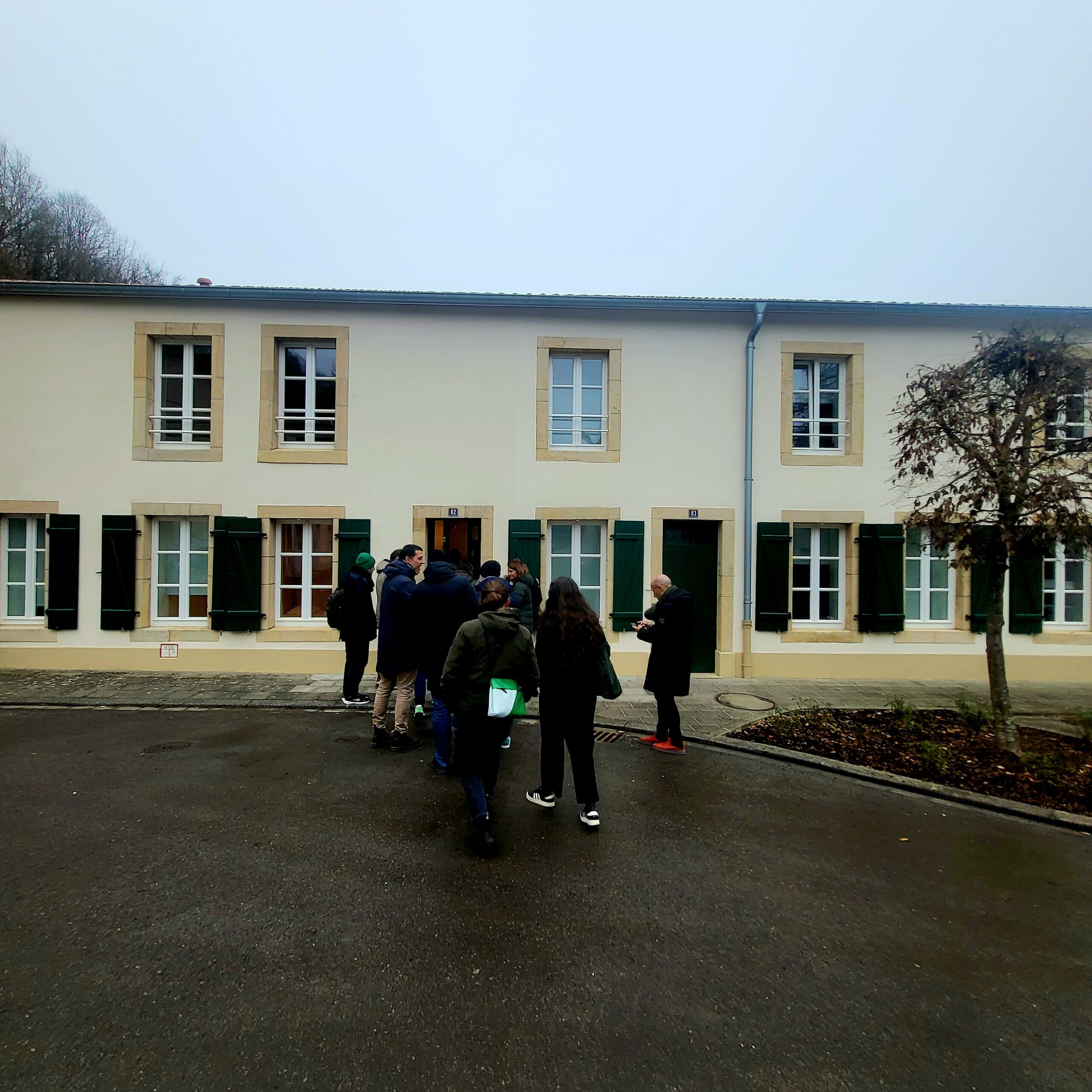
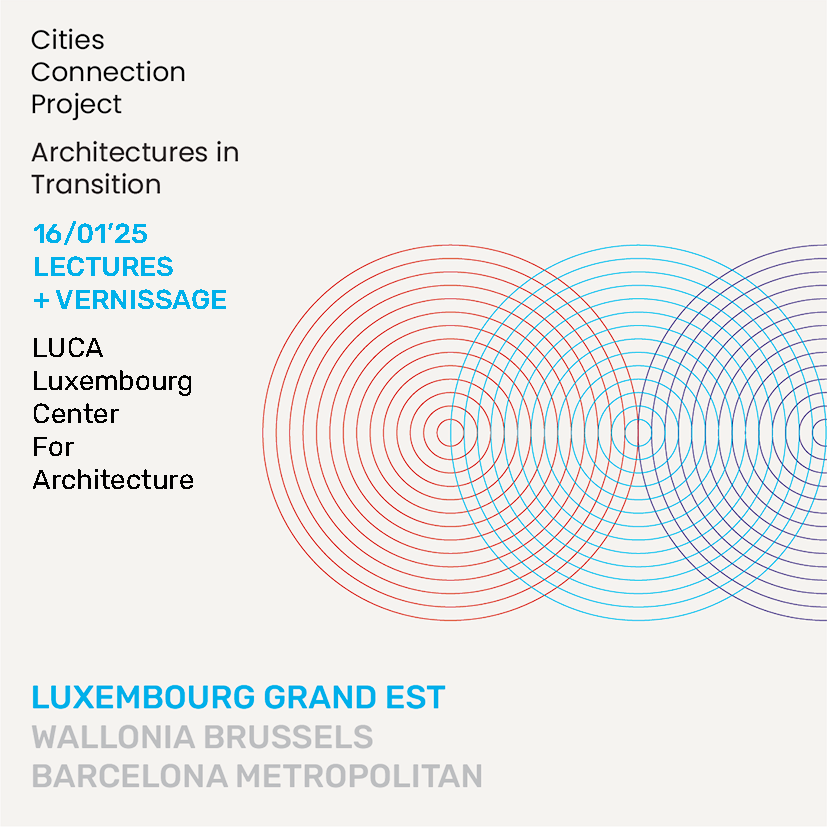
Cities Connection Project (CCP) is a project that proposes exchanges between architects from different cities or regions. For its seventh edition, whose theme is “Architectures in Transition, reuse of built heritage and social responsibility”, CCP brings together quality architectural and urban projects from the metropolitan area of Barcelona, Wallonia-Brussels, Luxembourg and the Grand-Est Region.
These projects lay the foundations for the transition to a more ethical building culture with controlled environmental and societal impacts. By choosing rehabilitation instead of demolition, by using sustainable and environmentally friendly construction systems, as well as by reusing construction materials, the architect is beginning to become aware of his essential role as a socially responsible actor. For several years, building culture has entered a phase of transition towards a more responsible and environmentally friendly architecture. This – vital – transition of architecture will be long and full of obstacles, but it will be irreversible. The projects presented in the exhibition were selected by the curatorial team, composed of the two co-directors of the Cities Connection Project, Xavier Bustos and Nicola Regusci, the director of the Wallonie-Bruxelles Architectures promotion agency, Nathalie Brison, César Reyes Nájera, postdoctoral researcher in the Master in Architecture at Uni.lu and Maribel Casas, director of LUCA. The Luxembourg participation is supported by the OAI – Order of Architects and Consulting Engineers and Kultur | lx – Arts Council Luxembourg.